
2026 Top Ph Analyser Types for Global Buyers
Choosing the right Ph Analyser in 2026 requires more than comparing screen size, price, or advertised accuracy. Global buyers must match the instrument to real working conditions, including sample temperature, chemical strength, measurement frequency, and operator skill. A portable meter may suit field inspections, while a benchtop model offers better stability for routine laboratory testing. Inline systems support continuous process control, but they demand careful installation and regular sensor maintenance.
This guide examines the leading Ph Analyser types available to international purchasers. It considers measurement range, resolution, calibration options, temperature compensation, electrode design, data storage, connectivity, and enclosure protection. These details matter when equipment moves between a clean laboratory, a humid production floor, and an outdoor sampling site. Service access is equally important. A reliable supplier should provide clear manuals, replacement electrodes, calibration guidance, and responsive technical support.
No single instrument is ideal for every buyer. That is easy to forget. A highly accurate meter can still disappoint when its electrode dries out or its software feels confusing. Likewise, a low-cost unit may become expensive after repeated sensor replacement. Practical selection should combine manufacturer specifications with verified user experience, independent testing where available, and a realistic ownership budget. Standards and local purchasing requirements may also differ across regions, so buyers should confirm compliance before ordering. This overview aims to provide a balanced starting point, while acknowledging that performance depends on proper sampling, calibration, cleaning, and training. Small details often decide the result.
What a pH Analyser Measures and Why It Matters
2026 Top pH Analyser Types for Global Buyers
A pH analyser measures how acidic or alkaline a liquid is. It reads hydrogen ion activity on a scale from 0 to 14. A reading near 7 is neutral, while lower values indicate acidity. Higher values indicate alkalinity. This measurement supports decisions in water treatment, food processing, laboratories, agriculture, and manufacturing.
Common types include laboratory analysers, portable meters, inline systems, and ISFET-based instruments.
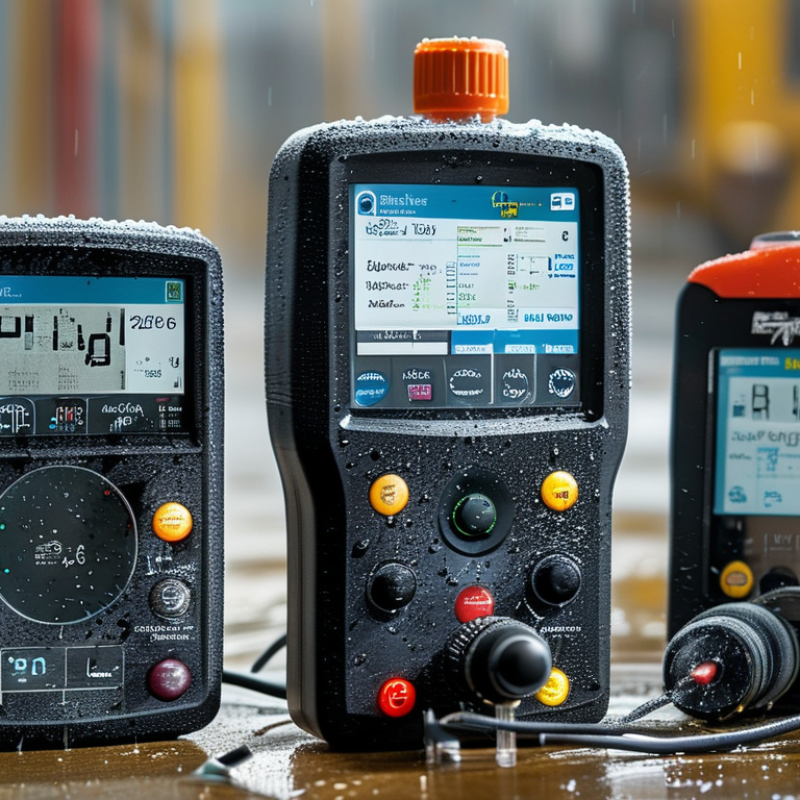
Glass-electrode models remain widely used because they provide dependable sensitivity. Portable analysers help technicians test tanks, pipes, or field samples quickly. Inline analysers monitor continuous processes and can reveal sudden chemical changes.
Temperature affects pH readings, so automatic compensation is important. Still, compensation cannot correct a damaged sensor or contaminated sample.
Tips:
Calibrate with fresh buffer solutions before critical testing. Rinse the electrode with clean water, then blot it gently. Do not wipe the sensing bulb. Check the temperature and sample condition. Thick, oily, or cloudy liquids may need special procedures. Keep records of calibration dates, readings, and sensor maintenance. These details make results easier to verify.
Accuracy depends on more than the display.
Poor storage can dry the electrode. Air bubbles can disturb contact. I have found that rushed sampling creates misleading confidence. A second reading may seem unnecessary, but it can expose a handling mistake. Always match the analyser type with the liquid, measurement location, required accuracy, and service conditions.
How Major pH Analyser Types Work
2026 Top pH Analyser Types for Global Buyers
How Major pH Analyser Types Work
Glass-electrode analysers remain common in laboratories and process lines. A hydrogen-sensitive glass membrane creates a voltage when it contacts the sample. The analyser converts this voltage into a pH value. A reference electrode completes the electrical circuit. Stable temperature matters because electrode response changes with heat.
ISFET analysers use a solid-state sensor instead of fragile glass. Ions at the semiconductor surface alter the electrical signal. This design suits food production, water treatment, and mobile testing. It resists breakage and starts quickly. However, surface fouling can distort readings. Cleaning is still essential.
Differential analysers measure the sample signal against a second reference signal. They can perform well in dirty or conductive liquids. Optical pH analysers use a chemical indicator and detect changes in light. They avoid direct electrical contact with the sample. This helps in applications where electrical interference is troublesome.
Choose by application, not by specification alone. Check temperature range, cleaning demands, calibration frequency, and sample composition. Buffer calibration near the expected operating range improves confidence. Two-point calibration is often practical. Yet, operators sometimes trust a stable display too quickly. A clean sensor, fresh buffers, and documented checks remain more reliable than appearance. No analyser is perfect. Each type needs informed maintenance.
2026 Top pH Analyser Types for Global Buyers
How major pH analyser types work and their representative response times. Actual performance varies with temperature, sample composition, calibration, and sensor design.
Glass electrodes measure voltage across a hydrogen-ion-sensitive membrane. ISFET analysers use a solid-state ion-sensitive transistor. Optical analysers determine pH from the colour response of a chemical indicator, while differential systems measure the potential difference between a sensing electrode and a reference electrode.
Key Features of Laboratory, Industrial, and Portable Models
2026 Top pH Analyser Types for Global Buyers
Laboratory pH analysers suit controlled testing, method validation, and research samples. They typically provide 0.01 pH resolution, automatic temperature compensation, and multi-point calibration. Analysts should still verify buffer freshness and electrode slope. A clean bench does not guarantee reliable readings.
ISO 10523:2012 specifies requirements for pH measurement in water quality testing. The U.S. Environmental Protection Agency lists 6.5–8.5 as a secondary drinking-water guideline range. These references help laboratories define acceptance limits. However, industrial samples may contain oils, suspended solids, or aggressive chemicals. A standard glass electrode can foul quickly there. Regular cleaning becomes essential.
Industrial pH analysers support continuous monitoring in tanks, pipelines, and wastewater systems. They often combine rugged housings, alarm outputs, remote data access, and automatic cleaning. Portable models offer faster field decisions, especially near cooling towers, rivers, and treatment basins. The 2024 MarketsandMarkets report on pH sensors and analysers projects steady market growth through 2029, driven by water treatment and process monitoring. Grand View Research also identifies water and wastewater applications as major demand areas. These figures are forecasts, not guarantees. Buyers should compare response time, calibration stability, ingress protection, and replacement costs. A portable unit may appear flexible, yet unstable field temperature can distort results. Experienced teams carry fresh buffers, spare electrodes, and a written sampling procedure. Calibration errors remain easy to underestimate.
2026 Top pH Analyser Types for Global Buyers - Key Features of Laboratory, Industrial, and Portable Models
| Comparison Dimension | Laboratory pH Analyser | Industrial Online pH Analyser | Portable pH Analyser | Recommended Buyer |
|---|---|---|---|---|
| Primary Use | High-accuracy testing of prepared samples in laboratories | Continuous measurement and process control in pipelines, tanks, and treatment systems | Field testing, inspections, water sampling, and mobile quality control | Select according to testing location and measurement frequency |
| Typical pH Range | 0.00 to 14.00 pH | 0.00 to 14.00 pH, depending on the electrode and process conditions | 0.00 to 14.00 pH | A full 0–14 range suits most aqueous applications |
| Typical Resolution | 0.001 pH | 0.01 pH | 0.01 pH; some advanced models offer 0.001 pH | Use 0.001 pH for laboratory work and method development |
| Typical Accuracy | Approximately ±0.002 to ±0.01 pH | Approximately ±0.02 pH under controlled process conditions | Approximately ±0.01 to ±0.05 pH | Verify accuracy using the intended sample matrix and calibration method |
| Temperature Measurement | Usually integrated temperature sensor with automatic compensation | Integrated or separate process temperature sensor for compensation and alarms | Integrated temperature sensor is common; manual compensation may also be available | Automatic temperature compensation improves repeatability |
| Calibration | Two- or three-point calibration with standard buffer solutions | Routine buffer calibration plus scheduled sensor verification | One- to three-point calibration, often with automatic buffer recognition | Use buffers that bracket the expected sample pH |
| Display and Controls | Large bench display, menu navigation, stability indication, and data functions | Panel display or transmitter interface with alarms, diagnostics, and process settings | Backlit handheld display with simple keypad or touchscreen controls | Choose the interface based on operator training and working conditions |
| Data Management | Internal memory, time and date stamps, USB or serial export on many models | Continuous logging, alarm history, and integration with control systems | Manual recording or internal memory; selected models support USB or wireless transfer | Data export is important for regulated or traceable testing |
| Output Options | USB, RS-232, printer connection, or laboratory information system integration | 4–20 mA, relay alarms, digital communications, and control-system integration | USB, Bluetooth, or no external output, depending on model configuration | Industrial buyers should confirm signal compatibility before purchase |
| Ingress Protection | Typically intended for indoor bench use; protection varies by housing | Often housed in weather-resistant enclosures; sensor assembly rating must be checked separately | Many field models provide splash or dust protection, commonly around IP65 to IP67 | Confirm the complete assembled system rating, not only the meter body |
| Operating Temperature | Commonly about 5°C to 40°C for the meter; electrode limits may differ | Process range varies widely with the electrode, mounting hardware, and chemical conditions | Often about 0°C to 50°C for the meter; probe limits may differ | Check both meter and electrode temperature specifications |
| Sample or Installation Requirement | Clean container, stable sample, and sufficient immersion depth | Suitable insertion, flow-through, or retractable assembly with representative sample contact | Portable cup, beaker, open water body, or direct immersion as permitted by the probe | Installation design strongly affects measurement reliability |
| Sensor Options | General-purpose glass electrodes, microelectrodes, refillable, and low-maintenance designs | Process glass, reference, differential, and specialty electrodes for fouling or harsh media | Combination glass or rugged field electrodes with protective caps | Match the junction and diaphragm design to sample chemistry |
| Maintenance Needs | Regular cleaning, storage solution, calibration, and electrode replacement | Cleaning schedule, sensor inspection, calibration, reference maintenance, and process verification | Rinse after use, keep the probe hydrated, calibrate regularly, and protect from impact | Budget for consumables, cleaning solutions, and replacement electrodes |
| Power Supply | AC mains power | AC, DC, or loop-powered configurations, depending on transmitter design | Replaceable or rechargeable batteries | Consider local voltage standards and field charging availability |
| Best-Fit Applications | Research, pharmaceuticals, food testing, education, and quality-control laboratories | Water and wastewater treatment, chemical processing, aquaculture, and manufacturing utilities | Environmental monitoring, agriculture, pools, field service, and incoming-material inspection | Choose the model that matches required accuracy, mobility, and process integration |
| Main Purchasing Priority | Measurement accuracy, repeatability, electrode compatibility, and data traceability | Sensor durability, installation design, automatic cleaning, communications, and service access | Portability, battery life, waterproofing, ruggedness, and fast calibration | Evaluate total cost of ownership rather than purchase price alone |
Note: Specifications are typical market ranges. Actual performance depends on electrode type, calibration buffers, sample composition, temperature, installation conditions, and maintenance practices.
How to Compare Accuracy, Range, Calibration, and Durability
For global buyers, selecting a pH analyser starts with the sample, not the screen. Field testing shows that accuracy depends on temperature, sample movement, and electrode condition. For routine water testing, an accuracy of ±0.01 pH may be suitable. Process applications may require tighter control. A wide measuring range is not automatically better. Confirm that the analyser performs reliably within your actual working range.
Calibration should match the testing routine. Many laboratories use two- or three-point calibration with certified buffer solutions, commonly around pH 4.01, 7.00, and 10.01. Check whether calibration records are traceable and easy to export. Automatic temperature compensation improves consistency, but it cannot repair a damaged electrode. Calibration frequency should reflect sample volume and contamination risk. I have seen good instruments produce poor results after neglected calibration.
Durability involves more than a strong outer case. Look for water and dust resistance, a replaceable probe, protected connectors, and a cable suited to daily handling. Battery life matters during outdoor inspections. So does cleaning access after oily or sediment-heavy samples. Review repeatability data, service instructions, and independent test evidence before comparing prices. Rugged does not mean maintenance-free. A practical trial with real samples may reveal limitations that a datasheet hides.
Selecting the Right pH Analyser for Global Purchasing Needs
2026 Top pH Analyser Types for Global Buyers
Selecting the Right pH Analyser for Global Purchasing Needs
Global buyers should match the pH analyser to the actual testing environment, not only the advertised accuracy. A portable meter suits water tanks, production lines, and field inspections. A benchtop analyser offers better stability for laboratories and repeated sample testing. For harsh liquids, buyers should check probe materials, temperature compensation, and resistance to dust or moisture.
Small details matter. Ask whether the unit supports two-point or multi-point calibration. Confirm the available buffer standards and their storage requirements. A readable display helps workers wearing gloves. Replaceable electrodes can reduce downtime, especially when shipments cross borders. Local technical support is valuable, but spare-part availability may matter more. A low purchase price can become expensive after repeated electrode replacements.
Purchasing teams should also review data recording, export formats, language settings, and power compatibility. Documentation should clearly state accuracy, operating range, maintenance steps, and test conditions. In practical use, samples with suspended solids may foul the probe faster than expected. Cleaning routines must be realistic for the workplace. I have seen teams select advanced instruments, then underuse half their functions. That is a costly mismatch. A simpler analyser may perform better when training time, service access, and daily workload are limited. Recheck those assumptions before ordering.
Article Source:
Ready to talk about water treatment?
Contact us
Please complete this form and we will be in touch