10 Best Drinking Water Treatment Systems for Global Buyers
Safe drinking water is not produced by a single machine. It depends on source quality, treatment design, maintenance, and local operating conditions. This guide, “10 Best Drinking Water Treatment Systems for Global Buyers,” examines practical solutions for homes, offices, hospitality sites, and small communities. It considers reverse osmosis, ultrafiltration, ultraviolet disinfection, activated carbon, distillation, and multi-stage systems.
Water researcher Peter H. Gleick has stated, “Water is a basic human need and a human right.” His words place technology within a larger responsibility. A reliable drinking water treatment system should address known contaminants without creating unnecessary waste or complexity. Buyers should check independent certifications, laboratory test results, flow rates, replacement costs, and after-sales support. A compact unit may suit a city apartment. A rural household may need stronger sediment protection and backup disinfection. Taste matters, but safety matters more.
The comparison also considers regional differences. Hard water, unstable electricity, seasonal flooding, and limited access to replacement filters can change the best choice. Some systems look impressive on paper. They may perform poorly when neglected. That is an uncomfortable truth. Even the best equipment cannot compensate for careless installation or delayed maintenance. Readers should verify local water reports before purchasing. When those reports are unavailable, professional testing remains the wiser starting point. This overview offers direction, not a substitute for site-specific assessment. Its goal is simple: help global buyers choose treatment systems that are effective, maintainable, and realistic for daily use.
Global Water Risks: 2.2B Lack Safely Managed Water (WHO/UNICEF, 2022)
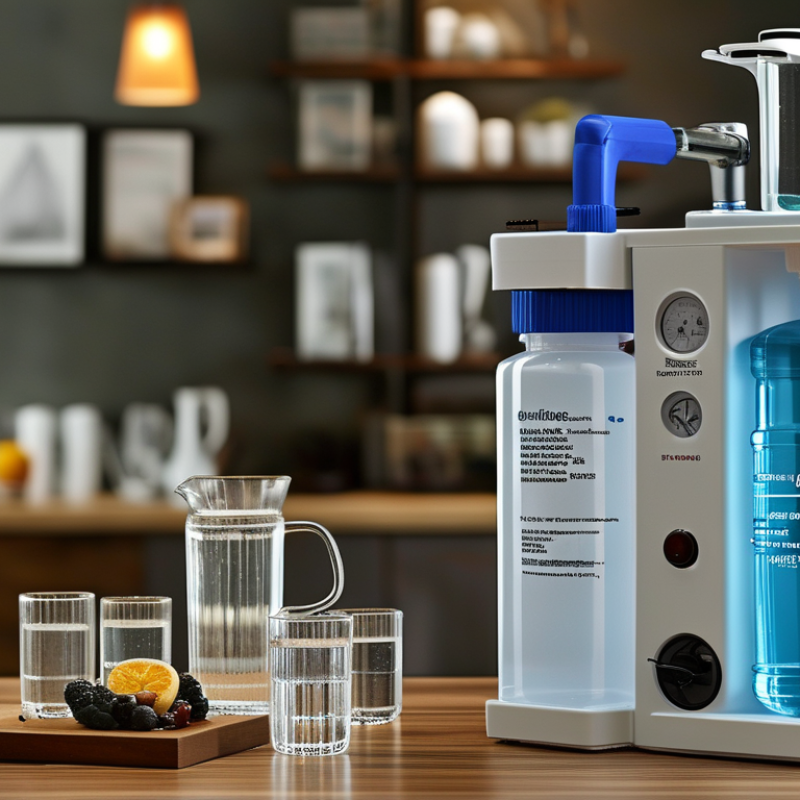
In 2022, about 2.2 billion people lacked safely managed drinking water, according to WHO and UNICEF. This figure is not abstract. It can mean a family collecting water from a shallow well, storing it in a reused container, and boiling it over a smoky stove. For global buyers, choosing among the 10 best drinking water treatment systems requires more than comparing prices or filter claims.
Start with the local risk profile. A rural buyer may face bacteria, sediment, or seasonal turbidity. An industrial site may need protection from heavy metals, chemicals, or salt. Independent laboratory testing should support every performance claim. Look for recognized safety standards, transparent test methods, and clear replacement schedules. A system is only useful when users can operate it correctly.
Maintenance is often overlooked. It should not be. Confirm filter availability, technician training, power requirements, and waste handling before purchase. In remote areas, gravity-fed treatment may outperform a complex powered unit during outages. Yet even simple systems can fail when storage tanks are dirty or fittings leak. That is a weakness worth admitting. I would also question any product promising to remove every contaminant without defining limits. Water quality changes, and treatment decisions should follow current testing, local regulations, and qualified technical advice.
Evidence-Based Ranking: WHO Targets, NSF/ANSI Standards, and EPA Criteria
10 Best Drinking Water Treatment Systems for Global Buyers
Choosing among the 10 best drinking water treatment systems should begin with measured risk, not glossy claims. The WHO/UNICEF Joint Monitoring Programme reported that 2.2 billion people lacked safely managed drinking water in 2022. Local testing remains essential. Test before buying.
WHO Guidelines for Drinking-water Quality set a 10 µg/L guideline for arsenic and require no detectable E. coli in a 100 mL sample. The U.S. Environmental Protection Agency also lists 10 µg/L for arsenic and 10 mg/L for nitrate-nitrogen in its National Primary Drinking Water Regulations. These benchmarks help buyers compare reverse osmosis, activated carbon, ultraviolet, and membrane systems. Standards matter. A filter should match the contaminant.
NSF/ANSI/CAN 42 generally covers aesthetic effects, while 53 addresses specific health contaminants. Standard 58 applies to reverse osmosis systems, and Standard 55 covers ultraviolet treatment. Certification must name the tested contaminant, not merely promise “clean water.” Check independent performance data, flow rate, replacement intervals, and wastewater volume. A system may pass a laboratory test but perform poorly with neglected cartridges or unstable electricity. That detail is easy to miss. The ranking should also consider regional repair access, inlet pressure, and safe storage after treatment. Cost-per-litre estimates often exclude maintenance, which makes some comparisons incomplete.
Ten System Profiles: RO, UV, UF, Carbon, Ozone, Chlorination, and More
Choosing among drinking water treatment systems starts with the water source, not the equipment catalogue. Reverse osmosis removes many dissolved salts, metals, and contaminants, but it produces wastewater and needs pressure. Ultraviolet treatment inactivates microorganisms without changing taste, although it cannot remove sediment. Ultrafiltration blocks particles and many microbes while preserving minerals. Activated carbon improves taste, odor, and some chemical control. It needs regular replacement.
Ozone treatment acts quickly and leaves little chemical residue, yet it requires careful dosing and monitoring. Chlorination remains practical for larger supplies because it protects water during storage and distribution. Distillation produces highly purified water through evaporation, but energy use can be significant. Ceramic filtration offers simple physical protection and suits low-flow applications. Ion exchange can reduce hardness or specific ions, though exhausted media may perform poorly. Multimedia filtration handles sand, rust, and suspended solids before finer treatment stages.
Real installations often combine systems. A rural household may use sediment filtration, carbon, and UV. A coastal facility may add reverse osmosis and remineralization. Test the source water first, including hardness, turbidity, microbial indicators, and region-specific contaminants. Design details matter: flow rate, pressure, replacement access, drainage, and operator training affect reliability. I have seen technically strong systems underperform because filters were changed late or lamps were not cleaned. There is no perfect shortlist. Local testing and honest maintenance planning should guide the final purchase.
10 Drinking Water Treatment Systems for Global Buyers
Indicative process energy intensity by treatment technology
Values are representative engineering ranges for the treatment process itself, expressed in kWh per cubic metre of treated water. Actual consumption varies with feed-water quality, design capacity, recovery rate, pressure, temperature, and local operating conditions. Distillation figures represent approximate thermal-energy equivalents.
Regional Fit: 80% of Global Wastewater Goes Untreated (UN-Water)
Choosing among the 10 best drinking water treatment systems requires more than comparing filter ratings. UN-Water reports that about 80% of global wastewater remains untreated, increasing pressure on local water sources. However, drinking water systems do not replace municipal wastewater treatment. They provide an additional safety barrier at homes, offices, clinics, and remote facilities. Regional water tests should guide the choice, especially where wells contain sediment, pathogens, salts, or industrial pollutants.
Tips: Test the source water before purchasing equipment. Match treatment to the risk. Activated carbon can improve taste and reduce some chemicals. Ultraviolet treatment can control microorganisms, but it needs clear water and reliable electricity. Reverse osmosis may reduce dissolved salts, yet it creates wastewater and needs regular membrane replacement. Check local service access, spare parts, storage conditions, and disposal requirements.
A suitable system must fit the region, not just the laboratory report. In humid areas, poorly maintained tanks can develop biofilm. In cold regions, outdoor pipes may freeze and crack. Remote users may need gravity-fed units or manual backup options. Urban buyers should verify pressure, plumbing compatibility, and certification requirements. Maintenance is often underestimated. A neglected filter can become a contamination point. No system is perfect. Even this advice needs review when water quality, climate, or regulations change.
Buyer Scorecard: Capacity, Cost, Energy, Maintenance, and Standards
10 Best Drinking Water Treatment Systems for Global Buyers
A practical buyer scorecard starts with capacity, not the product’s advertised flow rate. Measure daily demand, peak usage, source-water quality, and seasonal changes. A small clinic may need 2,000 litres daily, while a remote hotel may require ten times more. Check recovery rate, storage volume, and performance at low pressure. Oversizing can waste energy and increase replacement costs. Undersizing creates queues and untreated-water risks.
Cost should include installation, filters, membranes, testing, labour, and disposal. Energy use matters where electricity is expensive or unreliable. Ask for consumption per cubic metre, not only motor wattage. Maintenance access is equally important. Can technicians replace cartridges without special tools? Are parts available locally? A simple logbook should record pressure, flow, turbidity, and service dates. A cheap spreadsheet can mislead. Real operating conditions often expose hidden expenses.
Standards provide a useful reliability check, but certificates must match the actual treatment claim. Verify testing scope, contaminant reduction data, material safety, and local approval requirements. Compare independent laboratory reports with the source-water analysis. For rural sites, gravity-fed options may reduce power dependence, though they can require larger tanks and careful sanitation. For high-salinity water, desalination may work, but reject-water handling needs attention. My own assessment would not ignore noise, heat, or operator training. These details seem minor until the system runs every day. A scorecard should leave room for uncertainty, because field data is rarely perfect.
| Rank | System Type | Typical Capacity | Indicative Installed Cost (USD) |
Energy Demand (kWh/1,000 L) |
Primary Treatment Strength | Typical Maintenance | Standards Commonly Specified | Capacity Score (5) |
Cost Score (5) |
Energy Score (5) |
Maintenance Score (5) |
|---|---|---|---|---|---|---|---|---|---|---|---|
| 1 | Whole-House Carbon Filtration + UV | 1–10 m³/day Homes, lodges, small offices |
$1,500–$8,000 | 10–80 | Reduces chlorine, taste, odor, and many microorganisms when UV is correctly sized. Does not reliably remove dissolved salts, nitrate, or hardness. | Carbon replacement every 6–24 months; UV lamp typically annual; prefilter changes as required. | NSF/ANSI 42; NSF/ANSI 55; NSF/ANSI 61; local electrical and plumbing codes. | 4 | 4 | 4 | 4 |
| 2 | Point-of-Use Reverse Osmosis | 0.1–0.5 m³/day Kitchens, drinking stations |
$250–$1,500 | 30–150 Including reject-water pumping |
Broad reduction of dissolved salts, fluoride, arsenic, nitrate, heavy metals, and many microorganisms; requires final disinfection or hygienic storage. | Prefilters every 6–12 months; membrane commonly 2–5 years; sanitation and tank inspection. | NSF/ANSI 58; NSF/ANSI 42; NSF/ANSI 53; NSF/ANSI 61; NSF/ANSI 372. | 2 | 5 | 3 | 3 |
| 3 | Ultrafiltration with Pre-Filtration | 1–50 m³/day Rural homes, schools, clinics |
$2,000–$25,000 | 5–40 | Removes suspended solids, bacteria, and protozoa through a membrane barrier. Does not remove most dissolved salts or many small dissolved chemicals. | Periodic backwash; chemical cleaning typically every 3–12 months; cartridge replacement as needed. | NSF/ANSI 53 where applicable; NSF/ANSI 61; WHO performance guidance; local drinking-water regulations. | 4 | 4 | 5 | 4 |
| 4 | Nanofiltration | 5–500 m³/day Municipal and commercial supply |
$20,000–$500,000 | 150–800 | Reduces hardness, color, natural organic matter, pesticides, and selected dissolved contaminants with lower salt rejection than RO. | Feed pretreatment, membrane cleaning every 3–12 months, pressure and conductivity monitoring. | NSF/ANSI 61; ISO 24512/24513 guidance; applicable national drinking-water standards. | 4 | 3 | 3 | 3 |
| 5 | Brackish-Water Reverse Osmosis | 10–1,000 m³/day Towns, resorts, industrial sites |
$80,000–$2,000,000 | 500–1,500 | Strong reduction of salinity, fluoride, nitrate, arsenic, and many dissolved contaminants in moderately saline water. | Media and cartridge pretreatment; membrane cleaning every 3–12 months; pump, valve, and instrumentation servicing. | NSF/ANSI 58 for certified components; NSF/ANSI 61; ISO 24510/24512; local potable-water regulations. | 5 | 3 | 3 | 3 |
| 6 | Seawater Reverse Osmosis | 50–50,000+ m³/day Coastal communities and islands |
$500,000–$50,000,000+ | 2,500–6,000 With energy recovery |
Produces low-salinity drinking water from seawater; requires robust intake, pretreatment, remineralization, and brine-management planning. | Continuous pretreatment checks; membrane cleaning every 1–6 months; major pump and intake maintenance. | NSF/ANSI 61; ISO 24510/24512; WHO Guidelines for Drinking-water Quality; national discharge requirements. | 5 | 1 | 1 | 2 |
| 7 | Conventional Coagulation–Sedimentation–Filtration | 100–100,000+ m³/day Municipal surface-water plants |
$500,000–$100,000,000+ | 50–300 | Effective for turbidity, suspended solids, and many particle-bound contaminants; normally followed by disinfection and sometimes activated carbon. | Daily chemical and turbidity checks; filter backwash; sludge handling; periodic media replacement. | WHO Guidelines; ISO 24512; EN 1508 where applicable; national drinking-water standards. | 5 | 3 | 4 | 3 |
| 8 | UV Disinfection | 1–10,000 m³/day Clear water after filtration |
$1,000–$1,000,000+ | 20–150 | Inactivates bacteria, viruses, and protozoa without adding chemicals. It does not remove particles, dissolved chemicals, or salts and needs low-turbidity water. | Quartz-sleeve cleaning every 1–12 months; lamp replacement commonly every 9,000–12,000 operating hours. | NSF/ANSI 55; U.S. EPA UV guidance; DVGW W 294; local disinfection requirements. | 4 | 4 | 4 | 4 |
| 9 | Activated Carbon Adsorption | 0.5–500 m³/day Taste, odor, and organic-contaminant control |
$500–$250,000 | 5–30 | Reduces chlorine, taste, odor, and selected organic compounds. Performance depends strongly on carbon type, empty-bed contact time, and influent chemistry. | Backwash where applicable; carbon replacement or reactivation commonly every 6–24 months. | NSF/ANSI 42; NSF/ANSI 53; NSF/ANSI 61; applicable adsorption-performance test methods. | 4 | 5 | 5 | 4 |
| 10 | Thermal Distillation | 0.02–100 m³/day Emergency, remote, or high-purity applications |
$1,000–$5,000,000+ | 700–1,200 Electric vapor-compression range |
Removes salts, metals, microorganisms, and many non-volatile contaminants. Volatile compounds may require carbon polishing or other pretreatment. | Descaling and cleaning based on feedwater hardness; heating-element, compressor, and condensate-system inspection. | NSF/ANSI 62; NSF/ANSI 61; WHO Guidelines; applicable food-contact and electrical safety requirements. | 3 | 3 | 1 | 3 |
Important specification note: Standards listed are commonly used design, testing, material-safety, or performance references; they do not automatically mean that every system is certified. Buyers should require independent test reports, a feedwater analysis, guaranteed treated-water quality, a reject-water or sludge-management plan, and compliance with the destination country's drinking-water regulations.
Related Posts
-
How to Choose the Right Water Equipment for Your Business?
-
Best Drinking Water Treatment Methods for Clean Water?
-
What is Chlorine Dioxide Water Treatment and How Does It Work?
-
2026 Top Drinking Water Trends for Global Buyers Insights?
-
What is Water Treatment Systems and How Do They Work for Your Needs
-
How to Choose the Best Water Cleaning System?
Ready to talk about water treatment?
Contact us
Please complete this form and we will be in touch