2026 Best Water Cleaning Solutions for a Sustainable Future
In recent years, water cleaning has become a critical focus for sustainability. Clean water is essential for health, agriculture, and ecosystems. Yet, pollution threatens our water sources daily. Many communities struggle with contaminated water. Innovative solutions are needed for a sustainable future.
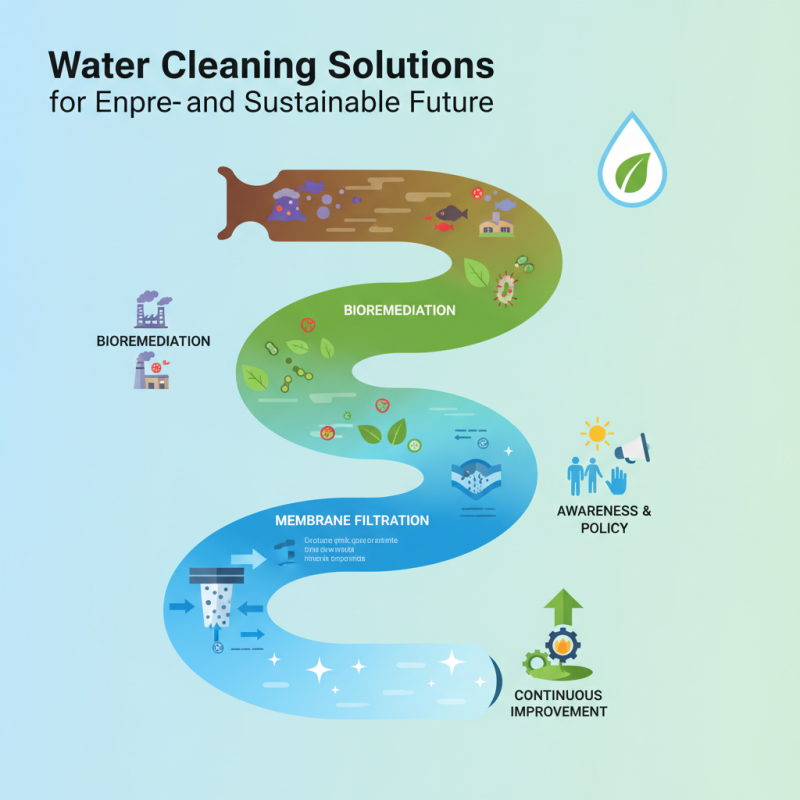
Various technologies provide hope for better water cleaning. Bioremediation uses natural processes to purify water. Membrane filtration presents another promising pathway. These methods are not foolproof, though. Implementation and affordability can pose challenges. Some regions lack access to these advancements.
Awareness is key for driving change in water cleaning practices. Public support can push for better technologies and policies. Every effort counts, but perfection is not the goal. Continuous improvement is essential. Embracing imperfections allows us to innovate and adapt. The journey towards cleaner water is just beginning, but it is crucial for our planet’s future.
Innovative Technologies in Water Purification for Sustainable Living
Water purification technologies are advancing rapidly. The aim is to enhance sustainability. According to the World Health Organization, around 2 billion people lack access to safe drinking water. This reality drives innovation.
Membrane filtration is one promising method. It removes contaminants effectively. A recent study reports that it can eliminate up to 99% of bacteria and viruses in water. This method is suitable for households and industries alike. It allows communities to utilize local water sources.
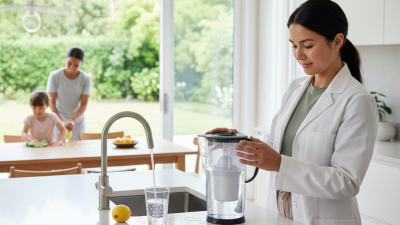
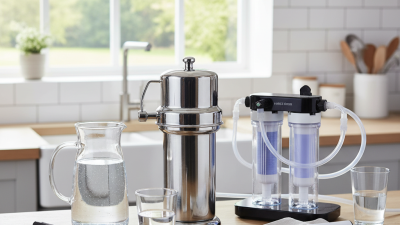
Tips: Consider using a home filtration system. Check for certifications to ensure safety.
Another innovative technology is solar water disinfection (SODIS). This method uses sunlight to purify water. Research indicates that it can reduce pathogens significantly. Easy access to sunlight makes it ideal for many regions. However, its effectiveness can be inconsistent due to weather conditions.
Tips: Use clear PET bottles for SODIS. Place them on a flat surface in direct sunlight.
These technologies show promise. Yet, we must reflect on their accessibility. Not all communities have equal access to advanced purification solutions. We need to work towards inclusivity in water purification initiatives.
2026 Best Water Cleaning Solutions for a Sustainable Future
This chart illustrates the effectiveness of various water purification technologies as measured by their average removal rates of contaminants in percentage. These innovative solutions contribute to a sustainable approach to water cleaning, ensuring cleaner water for future generations.
Biological Methods for Effective Water Cleaning: Nature’s Solutions
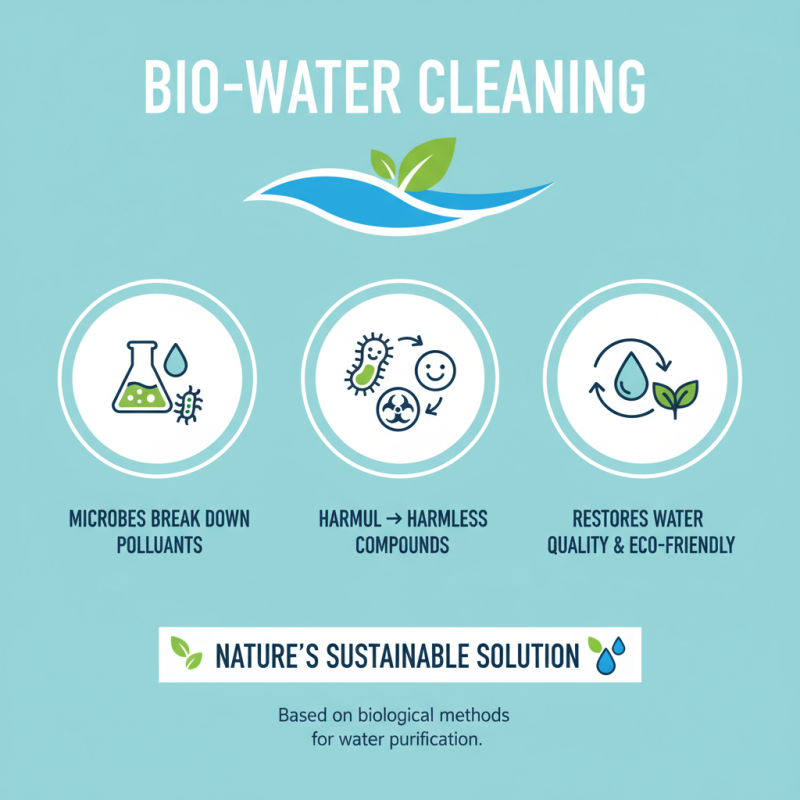
In recent years, biological methods for water cleaning have gained traction. Nature offers solutions that are both effective and sustainable. These methods rely on microorganisms to break down pollutants. For instance, certain bacteria thrive in contaminated water, transforming harmful substances into benign compounds. Their natural processes can be harnessed to restore water quality.
Wetlands serve as another biological cleansing mechanism. They filter pollutants and provide habitats for diverse wildlife. Plants such as cattails absorb excess nutrients, filtering out harmful substances. This process can often be slow and requires careful management. However, creating artificial wetlands can be a trial and error endeavor. Success is not guaranteed, and it often demands ongoing adjustments.
While these methods showcase nature's brilliance, they are not flawless. Biological processes can sometimes falter. For example, changes in temperature or pollutant levels can disrupt microbial activity. Thus, understanding these dynamics is crucial for effective implementation. Effective management must balance natural methods with practical oversight to optimize results.
Advanced Filtration Systems: Enhancing Water Quality and Safety
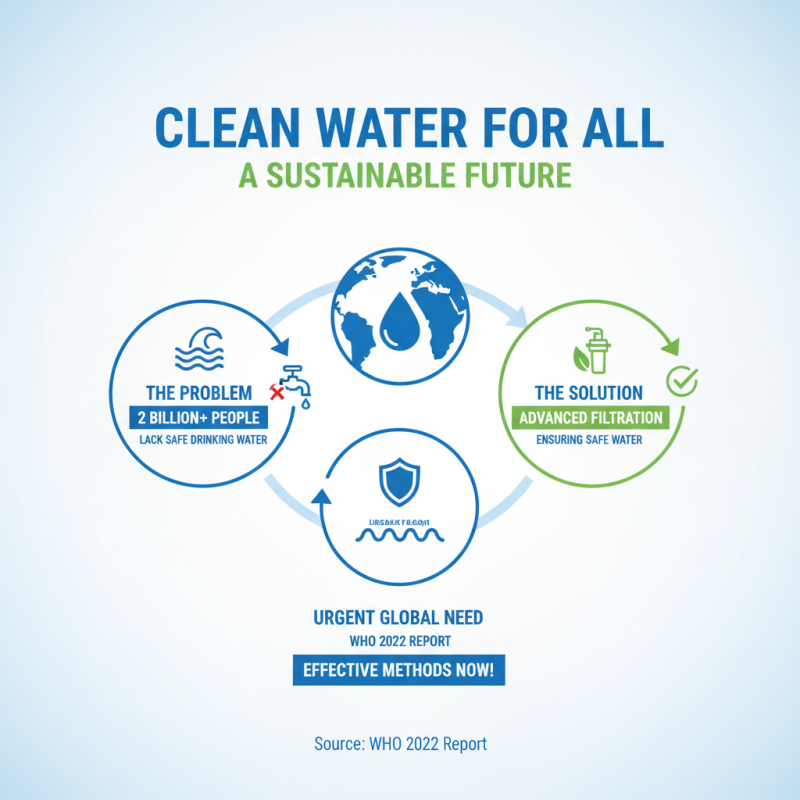
In the quest for a sustainable future, advanced filtration systems play a pivotal role. Water quality remains a pressing concern globally. According to a 2022 report by the World Health Organization, over 2 billion people lack access to safely managed drinking water. This alarming statistic highlights the urgent need for effective filtration methods, ensuring safe water for all.
Modern filtration systems utilize innovative technologies. Reverse osmosis, UV disinfection, and activated carbon are popular methods. These systems can remove up to 99% of contaminants, including bacteria and heavy metals. Data from a recent study shows that homes with advanced filtration report a 30% reduction in waterborne illnesses. The reliability of these systems is critical; failure in filtration can lead to serious health risks.
Tip: Regularly check your filtration system. Maintenance ensures optimal performance. Sometimes, simple tasks like changing filters can make a significant difference.
Water quality issues can affect everyone, including underserved communities. Unfortunately, access to high-quality filtration is often limited. It’s essential to advocate for equitable solutions. Seek out community programs that offer affordable water filtration systems. In the journey towards a sustainable future, collective efforts can lead to meaningful change.
Solar-Powered Water Treatment Techniques for Eco-Friendly Solutions
Solar-powered water treatment techniques are gaining traction in the quest for a sustainable future. According to a report from the International Water Association, nearly two billion people lack access to safe drinking water. Innovative solutions are necessary. Solar energy presents a cost-effective and eco-friendly method to treat water. It harnesses the sun’s power to purify water, reducing reliance on non-renewable energy sources.
One effective technique is solar distillation. This process involves using solar stills to evaporate water. The vapor condenses on a cool surface and collects as purified water. It's simple, yet highly effective. Countries with ample sunlight can reap substantial benefits from this technology. A study from the World Bank indicates that solar distillation units cut energy costs by up to 90% compared to traditional methods.
Tips: Start small by building a solar still at home. Use materials like glass and black containers for effective heating. Ensure the still is placed in a sunny location for maximum efficiency. Remember, while solar solutions are promising, they require regular maintenance. Check for leaks and clean surfaces to maintain optimal performance. Water treatment remains a challenge; continuous innovation is vital.
Community-Based Approaches to Water Cleaning and Conservation Strategies
Community-based approaches to water cleaning and conservation are gaining traction. Local groups often understand their environment better than anyone. They know the rivers, lakes, and even the underground aquifers. Involving residents fosters a sense of responsibility. People feel valued, and they contribute actively.
Educational workshops can empower communities. These gatherings inspire creativity in cleaning methods. Kids learn the importance of clean water. Adults share traditional practices that can be adapted for modern needs. Yet, the implementation can sometimes fall short. Not everyone may participate, leading to uneven progress.
Conservation strategies require continuous reflection. Regular assessments can help identify gaps. For instance, some communities might overlook pollution sources. Others could struggle with sustainable practices. Open forums can address these issues. They allow for discussion and adaptation. Flexibility is key in these evolving strategies.
2026 Best Water Cleaning Solutions for a Sustainable Future
| Solution Type |
Community Involvement |
Conservation Strategy |
Effectiveness Score |
Cost Estimate ($) |
| Bioremediation |
High |
Natural Pollutant Breakdown |
8.5 |
2000 |
| Sand Filtration |
Moderate |
Physical Removal of Particles |
7.0 |
1500 |
| Constructed Wetlands |
Very High |
Ecosystem-Based Treatment |
9.0 |
5000 |
| Rainwater Harvesting |
High |
Water Resource Efficiency |
8.0 |
3000 |
| Activated Carbon Filter |
Moderate |
Chemical Absorption |
7.5 |
2500 |