What is Boiler Water Treatment and Why is it Important?
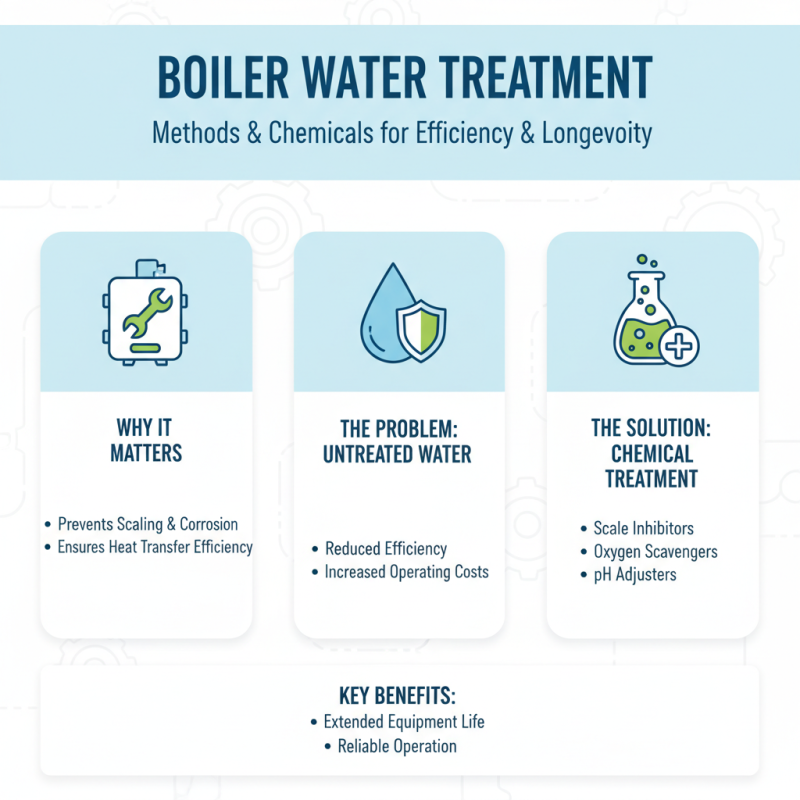
Boiler water treatment is a critical aspect of industrial operations. It involves managing the quality of water used in boilers to prevent issues like corrosion, scaling, and fouling. These problems can lead to severe operational disruptions and costly repairs. By ensuring the right chemical balance, boiler water treatment helps maintain efficiency.
The process requires expertise and careful monitoring. Proper treatment not only extends the life of the boiler but also enhances energy efficiency. Many industries rely heavily on steam generation. Inadequate treatment can result in significant downtime. This is why boiler water treatment is not just a mere checklist item; it's a vital practice.
However, implementing an effective treatment program can be challenging. Each system has unique requirements. Regular testing and adjustment of water quality parameters are essential. Without a proper understanding of these needs, facilities may find themselves facing unexpected failures. It is crucial to continually evaluate and refine treatment strategies.
What is Boiler Water Treatment?
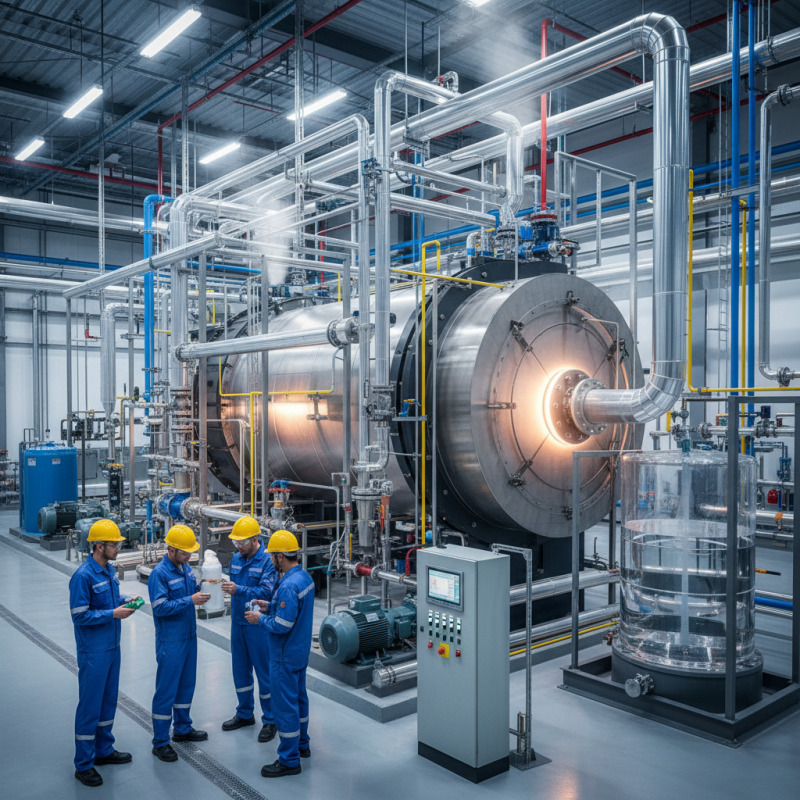
Boiler water treatment is essential for maintaining efficient and safe boiler operation. It involves the removal of impurities from water before it enters the boiler system. Poor water quality can result in scaling, corrosion, and reduced efficiency. These issues can lead to costly repairs and downtime. Proper treatment includes techniques like softening, chemical dosing, and pH adjustment.
Monitoring and control are crucial in this process. Regular testing of water quality ensures that chemical concentrations remain within safe limits. However, it is not always perfect. Operators may overlook changes in water conditions. This could lead to issues such as foaming, which can disrupt steam quality. It highlights the importance of training personnel in water chemistry and treatment methods.
Additionally, environmental regulations may impact treatment processes. Organizations must navigate compliance requirements while ensuring effective treatment. Balancing these factors can be challenging, but it significantly affects overall system performance and sustainability. Investing in proper boiler water treatment yields long-term benefits, despite the ongoing demand for diligence and adaptation.
The Importance of Boiler Water Quality
Boiler water quality is crucial for efficient operation. Poor water quality can lead to significant issues, including scaling and corrosion. According to the National Association of Corrosion Engineers, up to 20% of mechanical failures in boilers are due to water treatment deficiencies. Regular testing and monitoring of water parameters are essential to prevent these common problems.
Chemical reactions are influenced by water quality. Hard water can lead to scale buildup, reducing thermal efficiency. A study by the American Society of Mechanical Engineers reveals that a mere 1/16-inch scale can decrease boiler efficiency by up to 12%. Thus, maintaining appropriate pH and conductivity levels is vital. For instance, consistent treatment can improve lifespan and performance.
Yet, achieving optimal boiler water quality is challenging. Many facilities struggle with fluctuations in water composition. Addressing these issues requires ongoing training and investment in appropriate technology. Neglecting treatment can lead to costly repairs. The importance of a robust treatment strategy cannot be overstated.
What is Boiler Water Treatment and Why is it Important? - The Importance of Boiler Water Quality
| Parameter |
Ideal Value |
Impact of Poor Quality |
| pH Level |
10 - 11 |
Corrosion of boiler components |
| Total Dissolved Solids (TDS) |
Less than 3000 ppm |
Scaling and operational inefficiencies |
| Hardness |
0 - 0.5 ppm |
Scaling and damage to boiler surfaces |
| Dissolved Oxygen |
Less than 0.1 ppm |
Corrosion and pitting of metal surfaces |
| Alkalinity |
100 - 500 ppm |
Corrosion and undesirable foam formation |
Common Contaminants in Boiler Water
Boiler water treatment is essential for maintaining the efficiency and safety of boiler systems. However, various contaminants can compromise this process. Understanding these common impurities can help prevent equipment damage and operational issues.
One significant contaminant is dissolved oxygen. It can lead to severe corrosion in boiler components. Even trace amounts can create rust and ruin integrity over time. Another concern is scale formation, caused by minerals like calcium and magnesium. This buildup occurs when water is heated, leading to reduced heat transfer and increased energy consumption.
Additionally, acidic substances can harm boiler materials. They may arise from chemical imbalances in the water. Such conditions can accelerate wear and tear. Regular monitoring of boiler water is crucial to identify these issues early. Treating boiler water effectively can mitigate risks. It's a process requiring diligence and expertise. Implementing treatment methods without proper knowledge could lead to inadequate results. Understanding contaminants helps in making informed decisions for effective water treatment.
The Impact of Poor Boiler Water Treatment
Boiler water treatment plays a crucial role in maintaining the efficiency and longevity of industrial boilers. Poor treatment can lead to significant issues such as scale buildup and corrosion. A report from the National Association of Corrosion Engineers states that corrosion can cause up to 20% of downtime in industrial systems. This not only affects production but also increases maintenance costs.
Scale buildup reduces heat transfer efficiency, forcing boilers to work harder and consume more energy. According to the U.S. Department of Energy, scaling can increase energy consumption by 5-15%. This inefficiency can lead to higher operational costs and environmental impacts. Additionally, untreated water can introduce harmful contaminants, leading to possible system failures.
Tip: Regularly test your boiler water for pH, alkalinity, and hardness. Maintaining optimal levels can prevent many issues.
Inadequate treatment also risks the integrity of the entire system. Leaks or ruptures caused by corrosion can lead to catastrophic failures. The financial implications can be staggering. A leak can cost organizations thousands in repairs and lost production time. Investing in a robust water treatment plan is essential for safeguarding against these risks.
Tip: Document your water treatment processes. Regular assessments can help track efficiency and identify areas for improvement.