How to Choose a Drinking Water Supplier in 2026?
Choosing a drinking water supplier in 2026 requires more than comparing bottle prices. Water quality, delivery reliability, source transparency, and customer support all deserve careful attention. A low-cost supplier may seem attractive until late deliveries disrupt an office, hotel, or household. Small details matter.
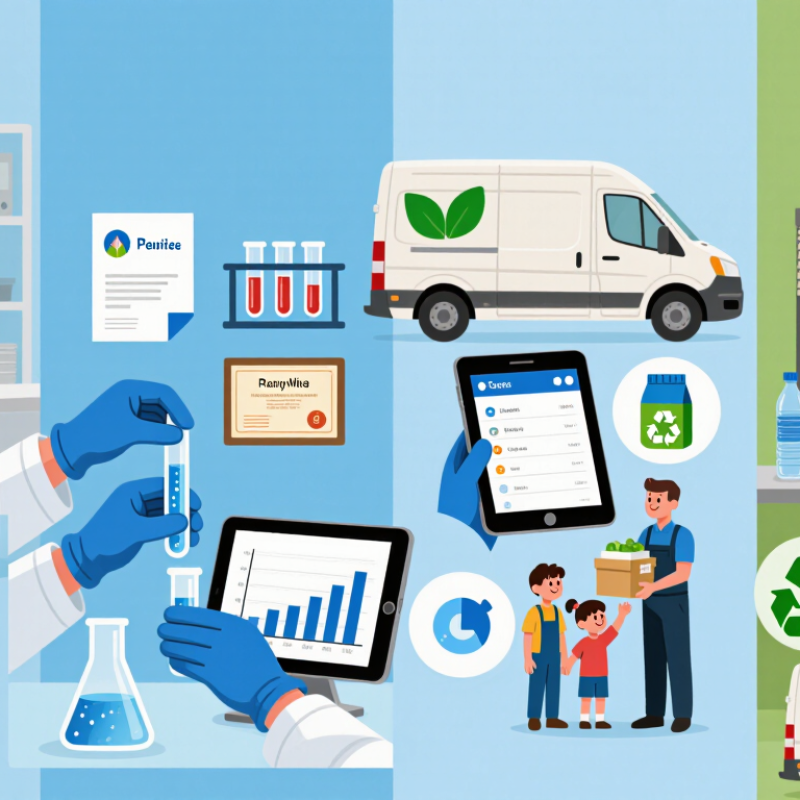
A trustworthy supplier should provide recent laboratory reports, clear treatment information, and traceable sourcing records. Ask how often water is tested and who performs those tests. Independent verification is valuable, although paperwork alone cannot guarantee consistent service. Visit the facility if possible. Look at storage areas, delivery vehicles, seals, and staff hygiene. These practical observations often reveal more than polished advertising.
Technology will also influence supplier selection. Digital ordering, delivery alerts, usage tracking, and flexible subscription plans can reduce waste and improve planning. However, convenience should not replace evidence. A responsive representative should explain pricing, bottle collection, emergency deliveries, and complaint procedures without avoiding difficult questions.
Consider your actual consumption. A small office may need scheduled dispensers, while a restaurant requires stable volume and precise delivery windows. Families may value mineral composition, reusable containers, and short delivery routes. Personal experience helps, but it can also create bias. A supplier that served one location well may perform poorly elsewhere.
The best choice may not be perfect. No supplier is. Compare verified quality, service history, environmental practices, and total cost before signing a contract. Reliable drinking water should support daily life quietly, safely, and consistently. That standard deserves more than a quick online rating.
Define Your Drinking Water Needs and Consumption Patterns
Before comparing drinking water suppliers in 2026, measure how water is actually used. Record household or workplace consumption for seven ordinary days. Include drinking, cooking, coffee, exercise, guests, and school or office use. A family may drink less on weekdays but use more water during weekends and hot weather.
The Beverage Marketing Corporation reported that bottled water volume in the United States reached about 15.9 billion gallons in 2023, equal to nearly 47.8 gallons per person. This figure reflects market demand, not a personal health target. Your own pattern matters more. A two-person apartment may need weekly delivery, while a busy office may require daily dispenser refills and backup storage. Count empty containers, note delivery delays, and estimate peak-day demand. Small details expose weak assumptions.
Safety needs also differ by location and source. The WHO and UNICEF Joint Monitoring Programme reported that 2.2 billion people lacked safely managed drinking water in 2022. Ask suppliers for recent laboratory results, treatment details, source information, and delivery records. Check whether testing covers the contaminants relevant to your area. Certification can support confidence, but it does not replace local verification. I would also calculate a three-day reserve, although that may be excessive for some homes. Seasonal disruptions, limited storage space, and forgotten subscription changes can alter the right supply plan.
How to Choose a Drinking Water Supplier in 2026?
Define Your Drinking Water Needs and Consumption Patterns
Estimate your recurring supply needs before comparing suppliers. This planning model uses a baseline of approximately 2 liters of drinking water per person per day and adds 25% for hot or highly active days. Multiply your household size by the expected daily volume to determine delivery frequency, storage capacity, and order size.
Planning estimate only: actual consumption varies with age, health, climate, physical activity, food intake, and local public-health guidance.
Verify Water Quality Standards, Testing, and Supplier Certifications
How to Choose a Drinking Water Supplier in 2026?
Water quality claims need measurable evidence, not attractive wording. The WHO/UNICEF Joint Monitoring Programme reported that 2.2 billion people lacked safely managed drinking water in 2022. Ask suppliers for recent laboratory reports, sampling dates, test locations, and detection limits. Do not guess. Results should cover microbiological risks, heavy metals, chemicals, and locally relevant contaminants. The WHO Guidelines for Drinking-water Quality, 2022 edition, provide a useful health-based reference.
Check who performed the testing. Prefer laboratories accredited to ISO/IEC 17025, with clear chain-of-custody records. Testing should reflect the delivered water, not only the source. Request batch or delivery certificates when quality may change during storage. A supplier’s ISO 9001 certification can support process control, but it does not prove that every shipment is safe. That gap matters.
Review certifications carefully. Confirm the issuing body, certification scope, expiry date, and covered facility. Standards for drinking-water treatment chemicals, such as ANSI/CAN 60, may be relevant when treatment products are involved. They do not replace water testing. A certificate is reassuring, but it is not proof of every bottle. I would also ask how failed results are investigated and disclosed. No checklist is perfect. Suppliers should explain uncertainty instead of hiding it.
Compare Water Sources, Treatment Methods, and Delivery Options
Choosing a drinking water supplier in 2026 requires more than checking price and delivery speed. The 2023 WHO/UNICEF Joint Monitoring Programme reported that 2.2 billion people lacked safely managed drinking water in 2022. Source quality still matters.
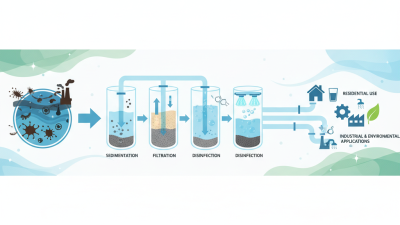
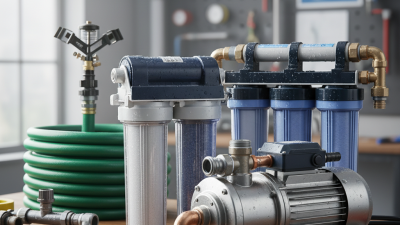
Ask whether the supplier uses municipal water, protected groundwater, or surface water. Each source carries different risks. Surface water may need stronger microbial control. Groundwater can contain minerals, nitrate, or naturally occurring metals. Request recent laboratory results, not only a sales certificate. The 2022 WHO Guidelines for Drinking-water Quality recommend risk-based monitoring from source to consumer. Treatment should match the test results. Filtration can reduce particles, activated carbon can improve taste and certain chemicals, while ultraviolet treatment targets microorganisms. Reverse osmosis may remove dissolved contaminants, but it also creates reject water and needs regular maintenance. No method is perfect.
Delivery affects safety after treatment. Sealed refillable containers reduce handling, while bulk tankers require documented cleaning and temperature control. Piped delivery may be convenient, but building plumbing can change water quality. The U.S. EPA emphasizes consistent sampling, maintenance, and public reporting in water systems. That sounds simple. It is often neglected.
Tips:
Compare at least three suppliers using the same questions. Check sampling dates, test methods, treatment records, container sanitation, delivery schedules, and emergency procedures. Visit the filling site if possible. A clean-looking facility is not proof. I would also budget for independent testing once or twice yearly, because supplier documents can be accurate yet incomplete.
Evaluate Pricing, Contracts, Customer Service, and Reliability
Choosing a drinking water supplier in 2026 requires more than comparing a monthly quote. Pricing should show delivery fees, container deposits, equipment rental, taxes, and emergency charges. Ask for a written estimate based on your actual usage, not an attractive introductory rate. Review the last twelve months of invoices, if available. This exposes seasonal costs. A cheap plan can become expensive when delivery frequency changes. Leave room for error. Consumption forecasts are rarely perfect.
Read the contract before service begins. Check its term, renewal date, cancellation notice, price-adjustment rules, minimum orders, and responsibility for damaged equipment. I would also request clear service-level commitments. These should state delivery windows, missed-delivery remedies, and response times for quality concerns. Avoid accepting vague promises such as “prompt support.” A short pilot period may reveal problems that a sales call hides. Keep every promise in writing. Digital records help.
Customer service is easiest to judge during a small problem. Call with a practical question and note the response time, accuracy, and willingness to explain. Ask who handles urgent requests after business hours. Reliability depends on more than a clean website. Review recent delivery performance, backup vehicles, water-testing procedures, and communication during disruptions. Independent certifications or inspection records can strengthen confidence, but verify their dates and scope. I would speak with current customers in similar locations. Their experience may contradict polished claims. One limitation remains: no supplier can guarantee perfect service. Choose the one that reports failures honestly and corrects them quickly.
Select a Supplier and Review the Agreement Before Ordering
Choosing a drinking water supplier in 2026 requires more than comparing delivery prices. Check the water source, treatment process, testing frequency, and storage conditions. Ask for recent laboratory reports, not only general quality claims. Reliable suppliers should explain where the water comes from and how they protect it during transport. Look for clear contact details, trained delivery staff, and a documented complaint process. A low price may hide delivery limits or weak service support.
Select a supplier only after reviewing the agreement carefully. Confirm the delivery schedule, minimum order, bottle or dispenser fees, cancellation rules, and replacement policy. Check what happens when a delivery arrives late or damaged. The agreement should identify quality responsibilities and explain how testing records can be requested. Read every automatic renewal clause. It is easy to miss.
Tips:
Compare two or three written agreements. Mark unclear terms before signing. Ask whether prices can change during the contract period. Confirm the exact water quantity delivered each time. Keep invoices and delivery records in one folder. If the salesperson avoids direct answers, pause the order. That hesitation matters. I would also question my own assumptions: attractive packaging does not prove reliable quality, and a familiar delivery routine can still contain overlooked fees. Choose evidence over convenience.