How to Choose a Water Department Supplier in 2026?

Choosing a water department supplier in 2026 requires more than comparing unit prices. Public agencies face aging pipes, tighter budgets, climate pressure, and rising cybersecurity risks. The U.S. Environmental Protection Agency’s 2023 Drinking Water Infrastructure Needs Survey estimates that American systems need approximately $625 billion in investment through 2040. That figure changes the purchasing question. Reliability must stand beside affordability.

The 2024 UN World Water Development Report connects water security with climate resilience, health, and economic stability. Meanwhile, the American Water Works Association’s State of the Water Industry research highlights infrastructure renewal, workforce shortages, and operational resilience. These findings support a practical supplier review. Examine treatment performance, product certifications, delivery capacity, emergency support, lifecycle costs, and independently verified references. Ask suppliers for recent test results, maintenance records, and clear replacement schedules. A polished proposal can still hide weak field support.

Peter Gleick, co-founder of the Pacific Institute, has said, “Water is the most important resource in the world.” His statement keeps the decision grounded. A water department should not select a supplier solely because its quote looks attractive. The better choice combines proven performance with transparent documentation and responsive service. Site visits can reveal details that brochures omit, such as corroded fittings, poor labeling, or delayed spare parts. No checklist is perfect. Procurement teams should record uncertainties and challenge optimistic claims. In 2026, the strongest supplier will help protect public health, maintain continuity, and justify every dollar over the system’s useful life.
How to Choose a Water Department Supplier in 2026?

Define Your Water Department’s Needs and Service Requirements

How to Choose a Water Department Supplier in 2026?

Define Your Water Department’s Needs and Service Requirements

A reliable supplier choice starts with your daily operating reality. Review pumping capacity, treatment stages, storage levels, and distribution pressure. Check recent maintenance logs, not only annual budgets. A spreadsheet can look complete while hiding repeated valve failures.

Walk through the service route with operators. Note aging pipes, difficult access points, chemical storage limits, and seasonal demand changes. Ask how quickly replacement parts must arrive. Also define acceptable response times for leaks, pump faults, and monitoring equipment errors. Small details matter.

Write these requirements into measurable service standards. Specify inspection frequency, technician qualifications, reporting formats, and emergency communication channels. Require clear records for water quality testing and equipment servicing. Your department may also need training for new staff. That requirement is often missed.

Use evidence when comparing suppliers. Review references from similar-sized water systems and examine documented response performance. Confirm that proposed services follow applicable safety, environmental, and public health requirements. Contract terms should explain escalation procedures, spare-part availability, and performance reviews.

Do not over-specify every task. That can restrict practical solutions. Yet vague wording creates disputes. I have seen departments request rapid support without defining “rapid.” A four-hour response may be essential during a pressure loss, but unnecessary for routine calibration. Record these judgments carefully, then revisit them after one operating season.

Verify Supplier Credentials, Compliance, and Industry Experience

When choosing a water department supplier in 2026, begin with evidence, not attractive pricing. Request current business registration, operating licenses, insurance records, and relevant water-quality certifications. Verify each document with the issuing authority. Dates matter. Ask who performs testing, where samples are collected, and how results are stored. Reliable suppliers should explain treatment controls, laboratory methods, and corrective actions in plain language. Technical confidence is useful, but vague answers are not. Check the source.

Compliance should match your location and use case. Review applicable drinking-water, wastewater, environmental, transport, and worker-safety requirements with qualified professionals. Ask for recent inspection results, incident logs, recall procedures, and evidence of staff training. A site visit can reveal labelled tanks, sealed connections, calibration records, and clean loading areas. Speak with two or three customers about delivery accuracy, emergency response, and documentation quality. Do not accept references without checking them independently. I have seen procurement teams trust polished paperwork too quickly. That is a weakness worth admitting. A supplier may meet the rules today yet lack systems for future compliance. Test this by asking for renewal schedules, internal audits, change-control records, and a named compliance contact. Small gaps can become costly delays.

How to Choose a Water Department Supplier in 2026? - Verify Supplier Credentials, Compliance, and Industry Experience

Evaluation Dimension What to Verify Reliable Evidence Suggested Weight 2026 Acceptance Benchmark
Legal Registration and Authority Confirm that the supplier is legally registered and authorized to provide the proposed products or services in the project jurisdiction. Current business registration, operating permits, tax records, and applicable trade licenses. 10% All documents are current, independently verifiable, and valid for the contract period.
Drinking-Water Product Safety Check whether materials that contact drinking water comply with the requirements applicable to the intended location and use. Current conformity certificates, laboratory test reports, material declarations, and product technical files. 15% Evidence covers the exact product, model, material, intended water type, and applicable local drinking-water requirements.
Regulatory Compliance Review compliance with applicable drinking-water, wastewater, environmental, labor, import, and public-procurement rules. Regulatory declarations, inspection results, corrective-action records, and documented compliance procedures. 15% No unresolved critical violations, enforcement orders, or material compliance gaps.
Quality Management System Assess how the supplier controls specifications, production, inspection, nonconforming products, and corrective actions. Quality manual, process controls, inspection plans, audit reports, and calibration records. 10% Documented, implemented, and regularly audited quality processes with traceable corrective actions.
Water-Industry Experience Verify experience with municipal water treatment, distribution, pumping, storage, metering, or related utility applications. Completed-project list, client references, technical case studies, and project completion records. 15% At least three comparable completed projects within the previous five years, subject to project-specific risk.
Technical Capability Confirm that the supplier can meet required flow, pressure, water chemistry, temperature, operating, and installation conditions. Datasheets, calculations, drawings, compatibility statements, testing procedures, and engineering support details. 10% All critical performance requirements are supported by testable specifications and documented calculations.
Supply Continuity and Lead Time Evaluate production capacity, inventory controls, raw-material risks, transport arrangements, and emergency supply capability. Capacity statement, delivery history, inventory policy, business-continuity plan, and supply-chain risk assessment. 10% Committed lead times are documented, measurable, and supported by contingency arrangements for critical items.
Testing and Traceability Determine whether supplied products can be traced from manufacturing or batch records through delivery and installation. Batch numbers, certificates of analysis, inspection reports, serial-number records, and delivery documentation. 8% Critical products have documented inspection results and traceability covering the complete supply chain.
Health, Safety, and Environmental Controls Review workplace safety, hazardous-substance handling, waste management, emissions, and environmental operating controls. Safety policies, incident statistics, chemical safety documents, environmental permits, and audit findings. 4% Required permits and safety controls are current, with no unresolved high-risk findings.
Commercial and Contract Risk Compare total cost, warranty coverage, payment terms, liability, insurance, spare parts, and lifecycle support. Itemized quotation, warranty terms, insurance certificates, service-level commitments, and contract exceptions. 3% No hidden exclusions; commercial terms are clear, financially sustainable, and aligned with procurement requirements.
Total Recommended Evaluation Weight 100% Select only after all critical compliance requirements are passed.
Verification rule: Treat certificates, permits, test reports, references, and regulatory records as valid only after checking their issuer, scope, product or service coverage, issue date, expiry date, and applicability to the project location.

Compare Water Quality, Equipment, Technology, and Support Services

Choosing a water department supplier in 2026 requires more than comparing prices.

Start with verified water-quality records, recent laboratory reports, and transparent testing methods. Check results for turbidity, pH, microbial indicators, and relevant metals. Ask whether independent laboratories confirm the supplier’s data. A confident supplier should explain unusual results, not hide them.

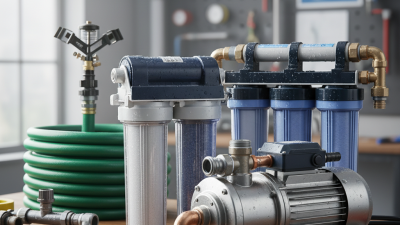
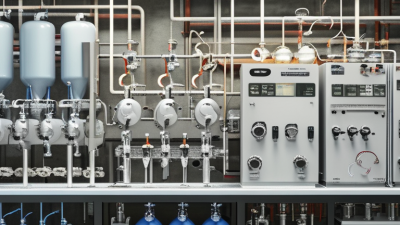
Equipment must match daily operating conditions. Inspect pump efficiency, pipe materials, filtration capacity, and control-panel design. Request maintenance records from similar installations. During a site visit, listen for abnormal vibration and check for leaks around valves.

Technology also matters. Remote monitoring can reveal pressure changes, filter loading, or dosing errors before staff notice them. However, advanced dashboards are not automatically useful. Operators need clear alerts, secure access, and practical training. A complicated system may create new problems.

Support services often reveal a supplier’s real experience. Review response times, spare-parts availability, technician qualifications, and emergency procedures. Ask for written service levels and references from facilities with comparable water demand. Reliable suppliers provide training documents and explain limitations honestly.

No scorecard is perfect. I have seen technically impressive proposals fail because replacement parts arrived late. A lower-cost system may also require more frequent cleaning than expected.
Leave room for trial periods, performance checks, and independent review. The best choice balances measured water quality, durable equipment, useful technology, and support that remains dependable after installation.

Evaluate Pricing, Contracts, Delivery Reliability, and Total Costs

How to Choose a Water Department Supplier in 2026?

Choosing a water department supplier in 2026 requires more than comparing the lowest quoted rate. Start with a clear usage profile: average demand, seasonal peaks, pressure needs, water quality requirements, and emergency volume. Ask suppliers to separate treatment charges, delivery fees, testing costs, fuel adjustments, and administrative fees. A low unit price can hide expensive minimum orders. Request twelve months of sample invoices. Numbers reveal habits. They also expose surprises.

Read the contract as an operating document, not a formality. Check the term length, renewal dates, price-adjustment formulas, service commitments, cancellation rights, and liability for delayed deliveries. Define acceptable delivery windows in hours, not vague phrases such as “prompt service.” Confirm backup vehicles, dispatch procedures, and escalation contacts. Speak with two current customers, if possible. Their experience may reveal weaknesses that sales material overlooks. I would also test a small delivery before signing. It is imperfect, but practical.

Measure total costs across the supplier relationship. Include storage rental, unloading labor, water testing, equipment cleaning, downtime, overtime, and disposal expenses. Compare the cost of a missed delivery against the premium for dependable service. A cheaper supplier is not cheaper when one late tanker stops production. Keep records for at least one quarter, then compare actual invoices with the proposal. Some assumptions will be wrong. That is useful. Adjust the scorecard when evidence changes. Choose predictable performance over attractive estimates.

Select the Supplier Through Testing, Due Diligence, and Performance Reviews

How to Choose a Water Department Supplier in 2026?

A reliable supplier should earn approval through evidence, not polished promises. Start with representative product samples and test them under real operating conditions. Check flow stability, material safety, pressure tolerance, and performance after repeated use. Independent laboratory results are valuable, but verify the laboratory’s accreditation and test methods. Keep the test records, including dates, sample numbers, equipment settings, and unexpected results.

Due diligence should examine the supplier behind the product. Review manufacturing controls, staff qualifications, quality certificates, delivery capacity, and traceability procedures. Ask for recent customer references with similar water volumes and service demands. A facility visit can reveal storage problems, weak labeling, or rushed inspections. It may feel intrusive, but paperwork alone can miss practical risks. One limitation remains: a single site visit cannot prove consistent performance throughout the year.

Performance reviews should continue after the contract begins. Set measurable targets for delivery accuracy, defect rates, response time, documentation, and corrective actions. Inspect incoming shipments and record even small deviations, such as damaged seals or unclear batch markings. Review the data monthly at first, then quarterly when performance becomes stable. A missed delivery should trigger investigation, not automatic blame. Sometimes the department’s own forecast caused the problem. That uncomfortable possibility deserves attention. Suppliers should explain failures clearly, provide corrective timelines, and accept re-testing when results remain uncertain.

How to Choose a Water Department Supplier in 2026?

This evidence-based evaluation model prioritizes product testing and regulatory compliance, followed by quality consistency, delivery reliability, lifecycle cost, and corrective-action support. Procurement teams should verify applicable AWWA requirements, NSF/ANSI/CAN 61 certification where relevant, quality-management controls, test reports, references, and ongoing performance results before awarding a contract.

Ready to talk about water treatment?

Contact us

Please complete this form and we will be in touch