How to Choose the Best Boiler Water Treatment Chemicals?
When managing a boiler system, selecting the right boiler water treatment chemicals is crucial. These chemicals ensure optimal performance and longevity of the boiler. However, not all products are created equal. Many options exist, and the decision can be daunting.
Proper treatment of boiler water affects efficiency and safety. Incorrect chemicals can lead to corrosion or scale build-up. This may result in costly repairs and operational downtime. Understanding the types of boiler water treatment chemicals available is essential. Each chemical serves a specific purpose and caters to different water conditions.
It’s important to consider factors like water quality and system type. Consulting experts in boiler maintenance can guide your selection process. Their insights add value and credibility to your choices. Remember, investing time in choosing the right treatment chemicals pays off in the long run.
Factors Influencing Boiler Water Treatment Chemical Selection
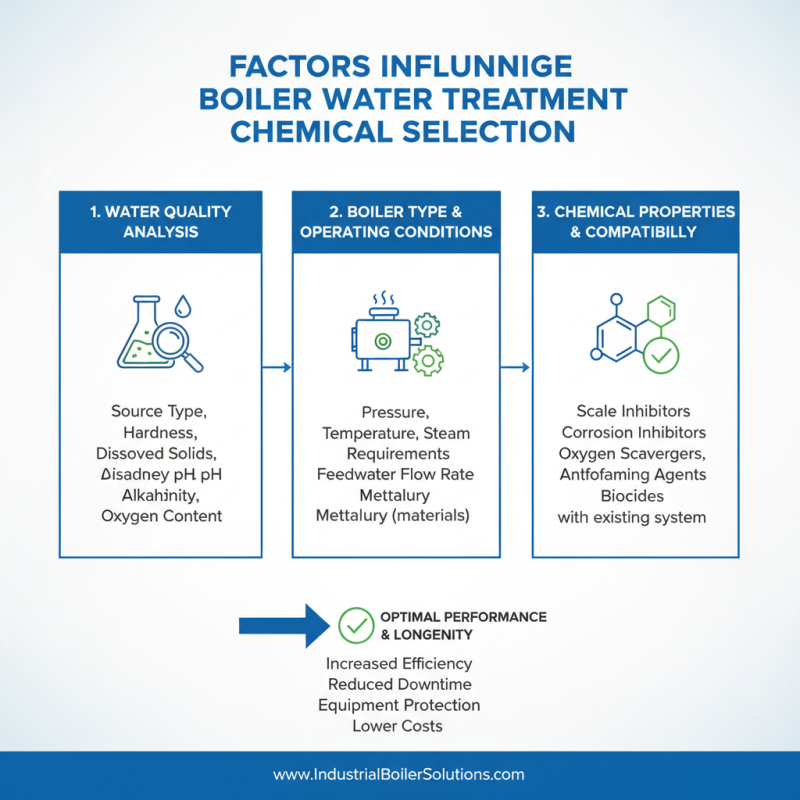
Selecting the right boiler water treatment chemicals is crucial for optimal performance. Several factors influence this choice. Understanding water quality is one of the most important. High levels of hardness or dissolved solids can lead to scaling. This not only reduces efficiency but can damage the boiler. Analyzing the water source helps identify the right treatment options.
Another key factor is the operating conditions. Factors such as temperature and pressure play significant roles. In high-pressure systems, special treatments are sometimes needed to prevent corrosion. It’s essential to assess the environment and operation requirements. This ensures the chemicals chosen are effective and safe.
Cost considerations can also impact decision-making. While expensive options might offer greater efficiency, they may not always be necessary. A thorough evaluation helps to balance effectiveness with budget constraints. Many users struggle with this balance and often choose based solely on initial costs rather than long-term benefits. Regularly revisiting and reassessing these factors is crucial for maintaining boiler efficiency and longevity.
Types of Boiler Water Treatment Chemicals and Their Functions
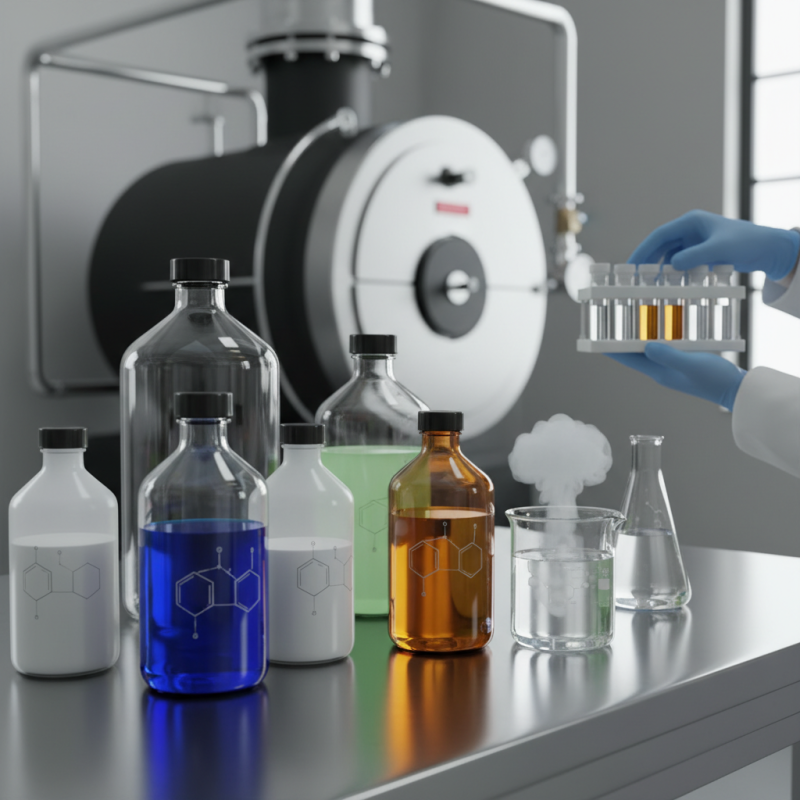
Choosing the right boiler water treatment chemicals is essential for optimal performance. There are several types of chemicals, each serving distinct functions. **Oxygen scavengers** are vital for removing dissolved oxygen from water. This prevents corrosion inside the boiler. **Scale inhibitors** stop mineral buildup on the heat transfer surfaces. Buildup can reduce efficiency and lead to failures.
Another crucial category is **pH adjusters**. They maintain the correct pH level in the water, enhancing the effectiveness of other chemicals. Controlling pH is important for preventing corrosion and improving overall water quality. Moreover, **biocides** are sometimes needed to eliminate harmful microorganisms in the system. Neglecting this aspect can lead to rapid deterioration of equipment.
It is important to analyze the specific needs of your system. Factors like water quality and operating conditions affect chemical choice. Regular testing and monitoring are necessary to confirm the chemical effectiveness. A mistake in selection can lead to more significant problems, including costly repairs. Being diligent about water treatment can save time and resources in the long run.
How to Choose the Best Boiler Water Treatment Chemicals?
| Chemical Type |
Function |
Application |
Dosage Recommendations |
| Oxygen Scavengers |
Eliminate dissolved oxygen to prevent corrosion |
Boiler systems |
10-50 ppm based on feedwater quality |
| Scale Inhibitors |
Prevent scale formation on heat exchange surfaces |
High pressure boilers |
5-20 ppm |
| pH Adjusters |
Maintain optimal pH to reduce corrosion |
All boiler types |
Adjust as necessary to maintain pH 10-11 |
| Corrosion Inhibitors |
Protect metal surfaces from corrosion |
Low to medium pressure boilers |
20-100 ppm |
| Condensate Treatment |
Neutralize acids and prevent corrosion in condensate lines |
Condensate return systems |
As needed based on acidity levels |
Assessing Water Quality: Key Parameters for Treatment Needs
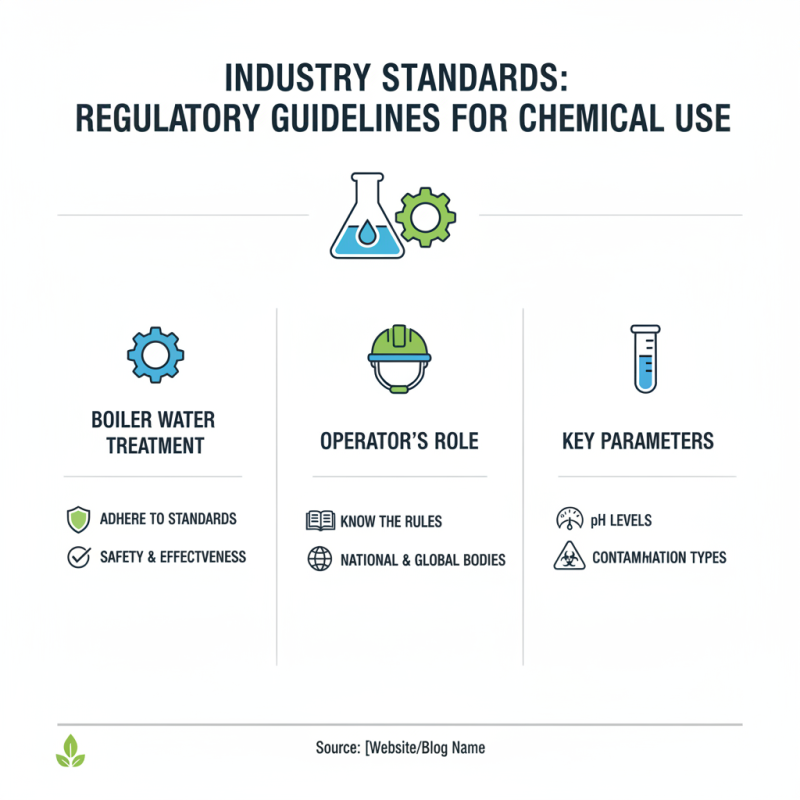
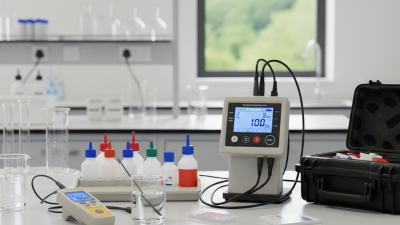
Assessing water quality is essential when selecting boiler water treatment chemicals. The key parameters to consider include pH levels, conductivity, and the presence of dissolved solids. A well-balanced pH, typically between 8.5 and 9.5, ensures optimal boiler performance. If the pH is too low, corrosion can occur, damaging equipment over time.
Conductivity indicates the level of impurities in the water. High conductivity means more dissolved salts, which can lead to scaling and operational inefficiencies. TDS, or total dissolved solids, is another critical factor. High TDS can cause foaming and carryover, resulting in loss of efficiency. Regular testing of these parameters helps in tailoring the treatment approach appropriately.
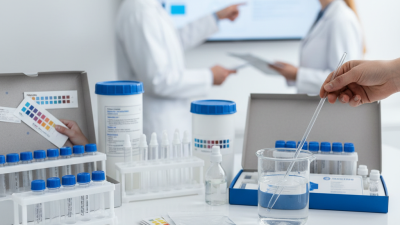
Sometimes, operators might overlook certain parameters, leading to unanticipated issues. For instance, neglecting oxygen levels can prompt oxidation and corrosion. Keeping an eye on iron content is similarly vital, as even small amounts can cause significant problems. Regular monitoring and adjustments based on these assessments can prevent costly downtime and extend the life of the boiler system.
Cost-Benefit Analysis: Evaluating Chemical Treatment Options
When it comes to selecting boiler water treatment chemicals, cost-benefit analysis plays a crucial role. Proper chemical treatment can significantly enhance system performance and longevity. According to industry reports, untreated systems can suffer from scale buildup, which decreases efficiency by 5-20%. Regular maintenance can prevent such issues, but it's vital to analyze costs before choosing treatment options.
Tips: Consider the operating conditions of your boiler. High-pressure systems require more robust treatments. Analyzing chemical concentration versus water usage can save costs. Some treatments offer a single-step solution, reducing overall expenses over time.
Furthermore, evaluate the environmental impact. Eco-friendly chemicals may have higher upfront costs but often translate to savings in maintenance and energy efficiency. A study indicates that switching to sustainable options can reduce waste disposal fees by 30%. The balance of immediate costs versus long-term savings can be complex, warranting careful consideration.