How to Choose the Best Reverse Osmosis Water Treatment System for Your Home?
Choosing the right reverse osmosis water treatment system for your home can be challenging. Reports indicate that over 15% of U.S. households now use water filtration systems. Of these, reverse osmosis units are among the most popular. They effectively remove contaminants, providing clean and safe drinking water.
However, many people are unaware of crucial factors when making a selection. Not all systems are created equal. Some may remove essential minerals while others may not filter out specific contaminants effectively. A recent study highlighted that 30% of home water systems fail to meet quality standards. Such findings emphasize the need for careful consideration.
Understanding your water source is vital. Testing your water quality can reveal contaminants that may require specific filtration solutions. For instance, high lead levels would necessitate a system tailored to address that issue. This complexity can quickly turn the selection process into a daunting task. Taking the time to evaluate your needs will lead to a better choice in reverse osmosis water treatment.
Understanding Reverse Osmosis Water Treatment Systems
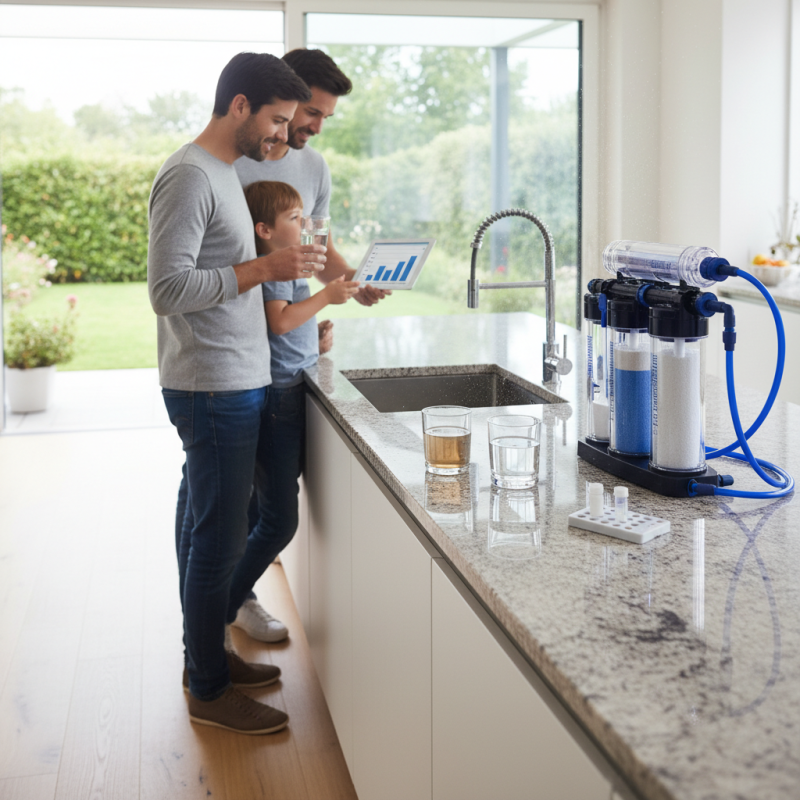
Understanding reverse osmosis water treatment systems is essential for making informed choices. At its core, reverse osmosis (RO) uses a membrane to filter contaminants. This method can significantly enhance water quality. It eliminates common impurities such as heavy metals, chlorine, and microorganisms.
RO systems often come in different designs. Some are under-sink models, while others are countertop units. Installation can sometimes be tricky. Homeowners might struggle with plumbing or finding enough space. Maintenance is another factor to consider. Filters need regular replacement, often every six months to two years. Neglecting this can lead to reduced efficiency.
Users should also monitor water waste. RO systems can waste a fair amount of water during filtering. This can become a concern in areas with water scarcity. Finding the right balance between clean water and sustainability is crucial. Consider your household's water needs, space, and budget carefully. Each aspect can influence your decision in selecting the right RO system for your home.
How to Choose the Best Reverse Osmosis Water Treatment System for Your Home?
| Feature | Description | Importance | Price Range |
|---|---|---|---|
| Filtration Stages | Number of filtration processes to purify water, typically ranging from 4 to 7 stages. | Higher stages often yield cleaner water. | $150 - $500 |
| Membrane Type | Type of reverse osmosis membrane used, affecting efficiency and lifespan. | Critical for overall system performance. | $50 - $200 |
| Water Storage Tank | Capacity of the tank to hold purified water, usually between 2 to 5 gallons. | Larger tanks mean more availability of water. | $100 - $300 |
| Ease of Installation | How simple it is to install the system, with options for DIY or professional installation. | Important for cost and user convenience. | $0 - $200 (installation cost) |
| Maintenance | Frequency and cost of replacing filters and membranes. | Ongoing costs are important to consider for budgeting. | $50 - $150 annually |
| Warranty | Length and coverage of warranty provided with the system. | Longer warranties can indicate quality. | $0 (included with purchase) |
Key Benefits of Installing a Reverse Osmosis System in Your Home
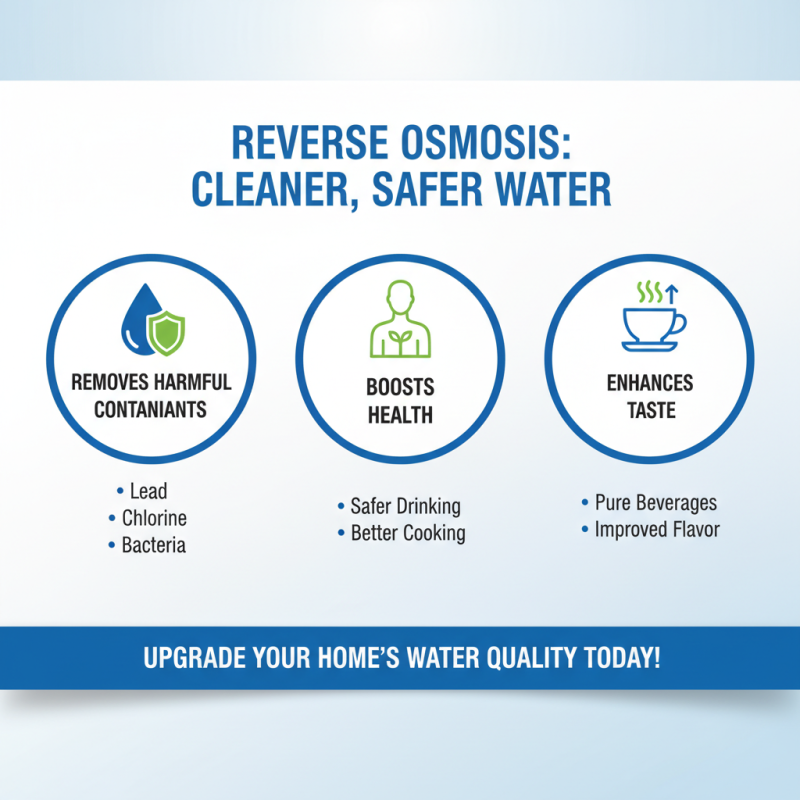
Installing a reverse osmosis (RO) system can dramatically improve the quality of your home’s water. One key benefit is the removal of harmful contaminants. These systems effectively eliminate lead, chlorine, and bacteria, making your water safer for drinking and cooking. This is particularly important if you live in an area with questionable water quality. Clean water boosts your health and enhances the taste of your beverages, which is a significant plus.
Another advantage is the reduction of plastic waste. By using an RO system, you minimize the need for bottled water. This small change can lead to a substantial decrease in plastic consumption over time. However, it’s important to consider the cost of maintenance. The filters need to be replaced periodically, and neglecting this could diminish the system's effectiveness. Balancing these factors can be a challenge but ultimately worth the effort for cleaner water.
Furthermore, RO systems often require professional installation. This can lead to initial frustration as you navigate the setup process. If not done correctly, you might face leaks or reduced efficiency. Taking time to understand the system and its requirements will save you heartache later on. Investing in a reverse osmosis system is meaningful, but it comes with its own set of considerations.
Factors to Consider When Choosing a Reverse Osmosis System
When selecting a reverse osmosis water treatment system, start by evaluating your water quality. Test your water supply to identify common contaminants. Are there heavy metals, chemicals, or bacteria present? This knowledge will guide your purchasing decision. Many systems can target specific pollutants. Some remove only chlorine, while others tackle a broader range.
Next, consider the system's capacity. How much water do you need daily? Systems vary in output, and an undersized unit may lead to disappointment. Think about peak usage times too. You don't want to run out of clean water during meal prep or family gatherings. It can be frustrating when the system can't keep up with your household demand.
Don't overlook maintenance requirements. Most reverse osmosis systems require filter changes. Some are easier to install and maintain than others, which can be a hassle. A system that demands frequent attention might not work for everyone. Reflect on your lifestyle and decide if you'll keep up with these needs. Investing time in research can save you from costly errors.
Factors to Consider When Choosing a Reverse Osmosis System
Comparing Different Types of Reverse Osmosis Membranes and Technologies
When selecting a reverse osmosis water treatment system, understanding the types of membranes is crucial. There are several options available, each with its unique features. Thin-film composite (TFC) membranes are popular for their efficiency. They remove a wide range of contaminants, including heavy metals and chlorine. However, they can be more expensive and require specific conditions to function well.
Another type is cellulose acetate membranes. These are typically cheaper, but they may not perform as effectively as TFC membranes. They tend to be less resistant to chlorine and have a shorter lifespan. This trade-off might not be ideal for households with high water usage. It's essential to assess your specific needs before making a decision.
Consider the technology behind the system as well. Some use mineralization stages to improve water taste. Others incorporate UV light for additional sanitation. These extra features can enhance performance but may also complicate maintenance. Regular checks and filter replacements are necessary. Balancing cost, efficiency, and maintenance requirements is vital. Make an informed choice based on your household's water needs.
Maintenance and Ice of Reverse Osmosis Systems for Long-Term Efficiency
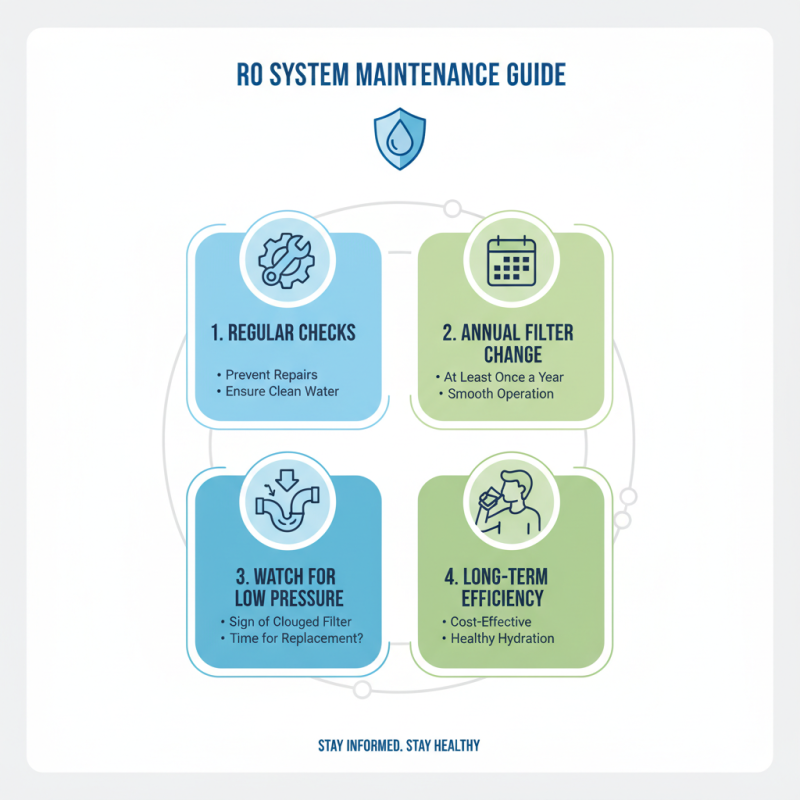
Maintaining your reverse osmosis system is crucial for long-term efficiency. Regular checks can prevent costly repairs and ensure clean drinking water. Change filters at least once a year to keep everything running smoothly. If you notice a drop in water pressure, it may signal a clogged filter.
Ice from the reverse osmosis unit can build up if not properly monitored. Ice often forms when the system runs inefficiently. Keep an eye on the storage tank. A full tank may indicate a malfunctioning filter or a leaky connection. Addressing these issues promptly can save you headaches down the road.
Don’t overlook the importance of sanitization. Depending on water quality, consider disinfecting the system every few years. This avoids biofilm buildup. System efficiency can waver without proper care. Listen to your system; unusual noises or slow flow need attention. Regular maintenance will enhance your water quality.
Related Posts
-
Top 10 Must-Have Water Equipment for Every Home and Business
-

Why is Water Analysis Test Essential for Safe Drinking Water?
-
Best Water Treatment Supplies for Clean Water Solutions?
-
What Is Cooling Water Treatment Chemicals and How Do They Work?
-

How to Choose the Best Water Testing Kits for Drinking Water?
-
2026 Best Water Cleaning Solutions for a Sustainable Future
Ready to talk about water treatment?
Contact us
Please complete this form and we will be in touch