2025 How to Choose the Best Water Treatment Chemicals for Your Needs
In the realm of water treatment, the selection of appropriate water treatment chemicals is critical for ensuring both efficiency and safety. As industries strive for compliance with stringent environmental regulations, the global water treatment chemicals market, projected to reach approximately $29 billion by 2025, highlights the growing importance of choosing the right products tailored to specific needs. According to a report by Grand View Research, the demand for water treatment chemicals is driven by increasing water scarcity and the necessity for sustainable solutions in wastewater management.
As we look toward 2025, it is essential for facilities to evaluate the diverse range of water treatment chemicals available, from coagulants and flocculants to disinfectants and scale inhibitors. Understanding the unique water quality challenges and regulatory requirements faced by various sectors—including municipal, industrial, and agricultural operations—can significantly influence the effectiveness of chosen chemicals. By aligning water treatment strategies with empirical data and expert recommendations, organizations can optimize their operations, reduce costs, and enhance environmental stewardship. Thus, making informed decisions regarding water treatment chemicals is not just beneficial but imperative for sustainable water management practices in the future.
Understanding Water Treatment Chemicals: Types and Functions
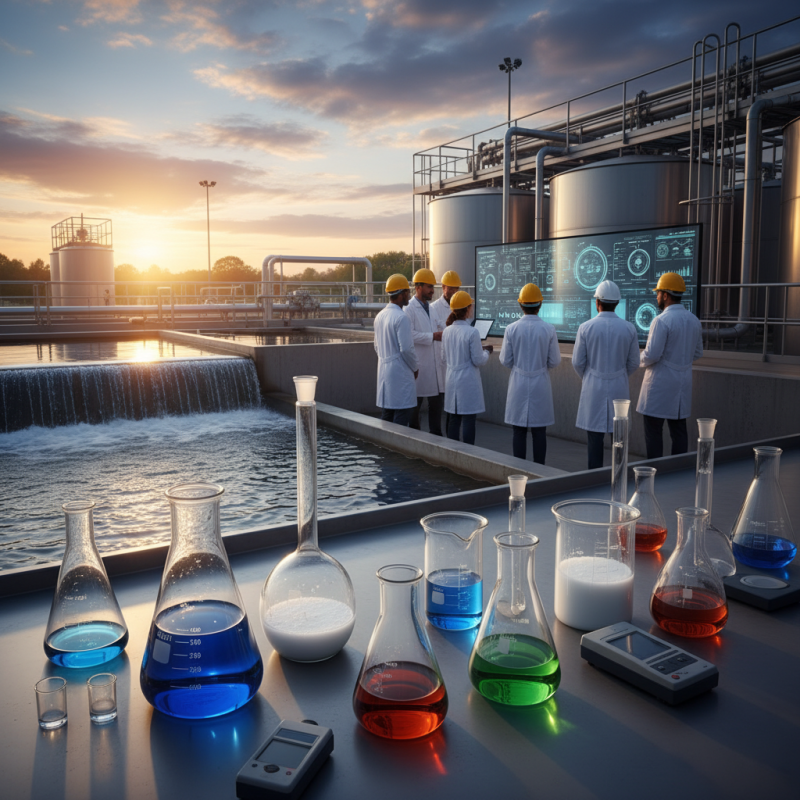
Water treatment chemicals play a crucial role in ensuring the safety and quality of water across various applications, including drinking water, industrial processes, and wastewater management. Understanding the different types of water treatment chemicals and their functions is essential for making informed choices that cater to specific needs.
Broadly, these chemicals can be classified into several categories: coagulants, flocculants, disinfectants, and pH adjusters. Each type has distinct purposes; for instance, coagulants such as aluminum sulfate are primarily used to remove suspended solids, while disinfectants like chlorine are essential for eliminating harmful bacteria and pathogens.
According to the Global Water Treatment Chemicals Market report by Research and Markets, the industry is expected to grow significantly, with a projected CAGR of over 5% from 2020 to 2025. This growth is driven by increasing awareness regarding water quality and safety, alongside stringent regulatory requirements in different regions. Furthermore, the application of advanced technologies, such as membrane filtration and advanced oxidation processes, has spurred demand for specialized chemicals. Understanding these trends is critical for selecting the most effective chemicals for water treatment needs, ensuring optimal performance while minimizing environmental impact.
Identifying Your Water Quality Needs and Goals
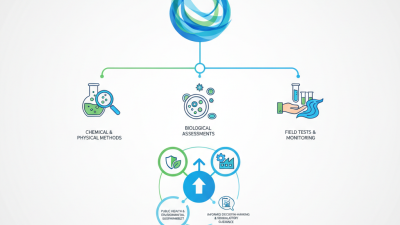
When choosing the best water treatment chemicals for your needs, the first step is to comprehensively assess your water quality. This involves understanding critical parameters such as pH levels, turbidity, hardness, and the presence of contaminants like heavy metals, bacteria, or organic matter. By conducting a thorough water analysis, you can identify specific issues that need addressing and determine the appropriate treatment chemicals. This tailored approach ensures that you are not only treating symptoms but effectively resolving the underlying problems.
Once you have a clear picture of your water quality, it's essential to define your goals. Are you looking to improve taste and odor, remove specific contaminants, or meet regulatory standards? Setting precise objectives allows you to select the most suitable chemicals for your situation. Additionally, consider factors such as the scale of your operation and budget constraints. Whether for residential, commercial, or industrial use, aligning your choice of water treatment chemicals with your needs and goals is critical for optimizing water quality and ensuring compliance with health standards.
Key Factors to Consider When Selecting Chemicals
When selecting water treatment chemicals, it is essential to consider several key factors to ensure optimal effectiveness and safety. First, understanding the specific water quality issues is critical. According to the World Health Organization (WHO), nearly 2 billion people are impacted by unsafe drinking water. Analyzing parameters such as pH levels, total dissolved solids (TDS), turbidity, and the presence of specific contaminants like heavy metals or microorganisms can help narrow down the selection of appropriate chemicals. For instance, the use of coagulants might be more suitable for turbid waters, while disinfection agents are critical for pathogen reduction.
Another vital factor is regulatory compliance. Different regions have established guidelines and regulations governing the use of water treatment chemicals. The enforceable standards set forth by agencies such as the Environmental Protection Agency (EPA) in the United States provide a framework for the safety and efficacy of chemicals used in water treatment. According to the American Water Works Association (AWWA), integrating chemicals that meet these safety standards not only ensures public health but also upholds environmental protection. Therefore, selecting chemicals that comply with local and international regulations is paramount, as it mitigates risks associated with regulatory penalties and environmental degradation.
Finally, the cost and availability of the chemicals should also be taken into account. The water treatment chemicals market is projected to grow significantly, reaching an estimated USD 34 billion by 2025, as reported by industry analysts. Price fluctuations, supply chain stability, and potential bulk purchasing agreements can significantly impact operational costs for water treatment facilities. Understanding the market trends and sourcing reliable suppliers can aid in securing both quality and affordability in chemical selection.
Evaluating the Effectiveness and Safety of Water Treatment Chemicals
When evaluating the effectiveness and safety of water treatment chemicals, it is essential to consider various factors that influence both their performance and potential health impacts. Firstly, understanding the specific water quality challenges you face—such as contaminants, pH levels, or hard water—can guide you in selecting appropriate chemicals. For example, biocides may be effective in controlling microbial growth, while flocculants can help remove suspended solids. Conducting thorough testing of your water supply can provide insights into the most suitable treatments needed.
In addition to effectiveness, the safety profile of these chemicals must be assessed, particularly if the treated water is used for drinking or agricultural purposes. It's crucial to review safety data sheets and any regulations governing the use of chemicals in water treatment. Consideration should be given to the potential toxicity of chemicals, their impact on the environment, and how they interact with other substances in the water. Ensuring that selected treatments meet established safety standards will not only protect public health but also contribute to sustainable water management practices.
Regulatory Compliance and Best Practices in Water Treatment
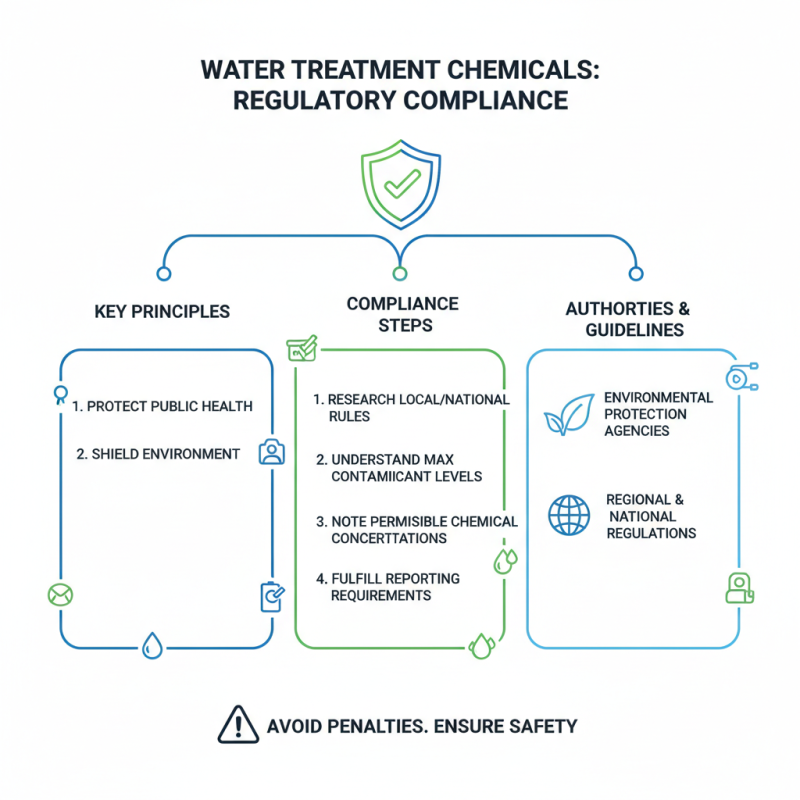
When selecting water treatment chemicals, ensuring regulatory compliance is paramount. Different regions have specific guidelines and regulations governing water quality and chemical usage, aimed at protecting public health and the environment. It is essential to familiarize yourself with local and national regulations, such as those set forth by environmental protection agencies, to avoid penalties and ensure the safety of your water treatment processes. This includes understanding maximum contaminant levels, permissible chemical concentrations, and the reporting requirements for chemical usage in treatment facilities.
In addition to adhering to regulations, best practices in water treatment should be employed to optimize chemical selection and application. Conducting a thorough assessment of the water source and its specific contaminants can guide the selection of appropriate treatment chemicals. Implementing a system for regular monitoring and evaluation of water quality helps to ensure that the treatment process remains efficient and effective. Furthermore, training personnel on safety protocols and best handling practices for these chemicals minimizes risks associated with their use. Prioritizing both compliance and best practices ultimately leads to more sustainable and responsible water treatment operations.