How to Choose the Best Welding Protection Gear for Safety?
When it comes to welding safety, proper protection is crucial. Welding Protection gear is essential for preventing injuries. Sparks, heat, and harmful emissions pose serious risks. The right equipment can make a significant difference.
Selecting welding protection involves careful consideration. Each type of gear serves a unique purpose. For example, helmets shield your face from sparks and bright light. Gloves provide grip and guard against burns. It’s vital to ensure that gear fits well and is comfortable. Ill-fitting equipment can distract or hinder your work.
Many welders overlook the importance of regular gear assessment. Is your helmet still intact? Are the gloves sufficiently protective? Reflect on your current safety practices. Sometimes, we may feel invulnerable, but being cautious is key. Prioritizing welding protection not only safeguards you but also enhances your performance.
Understanding Welding Hazards and Risks in the Workplace
Welding is an essential skill, but it comes with significant risks. Understanding these hazards is crucial for safety. The intense heat can cause burns, while the arc produces harmful UV radiation. Welding sparks can ignite flammable materials nearby. Additionally, fumes released during welding pose health risks if inhaled for prolonged periods.
Workers must be aware of the environment. Poor ventilation can trap these dangerous fumes. Inadequate workspace can increase the chances of accidents. Protective gear is your first line of defense against these hazards. Gloves, helmets, and protective clothing are vital. Many overlook the importance of properly fitting gear. Loose clothing can catch fire easily and should be avoided.
Reflecting on safety practices is vital. Have you inspected your gear lately? Are you using the correct equipment for specific tasks? These questions are essential for reducing risks. By actively recognizing hazards, workers can create a safer environment. It is not just about compliance; it’s about personal responsibility toward safety.
Types of Welding Protection Gear: An Overview of Essential Equipment
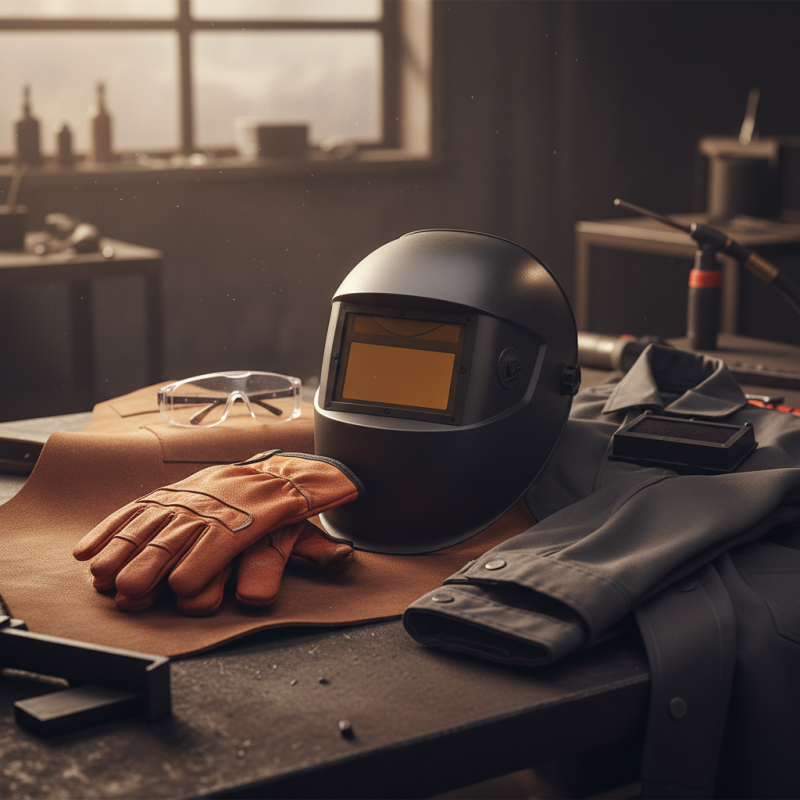
When it comes to welding, protection gear is crucial. Different types of equipment offer varying levels of safety. A welding helmet protects your face and eyes from harmful sparks and intense light. It is essential to choose a helmet with proper shading. The right shade helps reduce eye strain during long periods of work.
Welding gloves are another key component of protection gear. They should provide both heat resistance and dexterity. Your hands are vulnerable to burns, so ensure the gloves fit well. A snug fit allows for better control while welding. Consider gloves made from durable materials that can withstand the high temperatures.
Don't forget about protective clothing. Flame-resistant coveralls or jackets are vital. They shield your skin from sparks and molten metal. However, selecting the right fit can be challenging. Loose clothing may get caught in machinery. Tight clothing can restrict your movement. Striking a balance between comfort and safety is essential. Remember, the right gear makes a difference in preventing injuries. Always assess your equipment to ensure it meets safety standards.
How to Choose the Best Welding Protection Gear for Safety?
| Type of Gear | Description | Key Features | Recommended For |
| Welding Helmet | Protects face and eyes from sparks and UV rays | Auto-darkening filter, adjustable sensitivity, comfort padding | MIG, TIG, Stick welders |
| Welding Gloves | Protects hands from heat and sparks | Leather material, heat-resistant, long cuff | All types of welding |
| Welding Jacket | Protects torso from sparks and heat | Flame-resistant fabric, lightweight, comfortable fit | MIG and Stick welders |
| Safety Boots | Protects feet from falling objects and molten metal | Steel toe, slip-resistant sole, heat-resistant | All welding environments |
| Face Shield | Additional face protection | Clear visor, anti-fog, impact-resistant | TIG welding, grinding |
Factors to Consider When Selecting Welding Masks and Helmets
When selecting welding masks and helmets, several key factors must be assessed. The protection level is critical. According to the American National Standards Institute, helmets must meet specific safety standards. A helmet’s shade rating is vital. Different tasks require various shade levels. For instance, shade 10 is suitable for MIG welding, while TIG welding often needs a shade between 8 and 9.
Comfort is another essential aspect. Headgear should fit securely without being overly tight. Professionals often spend hours wearing helmets. Poorly designed headgear can lead to fatigue and distraction. Also, weight plays a role. Heavier helmets can cause neck strain over time. It’s worth noting that a lighter helmet can improve focus and performance.
Visibility is crucial as well. An optimal helmet provides a wide field of view. Research indicates that a clear viewing area reduces errors in welding. The auto-darkening feature is popular among welders. However, the response time of the lens can vary. Welders often overlook this detail, which can impact safety. Reflecting on these factors can lead to better choices.
Choosing Protective Clothing: Materials and Certifications Explained
When selecting welding protective clothing, it's crucial to consider the materials used. Common fabrics include cotton, leather, and specialized synthetic blends. Cotton is often favored for its comfort but can catch fire. Leather provides durability and heat resistance, but it may be heavy. Synthetic materials, like flame-resistant (FR) fabrics, offer excellent protection against sparks and molten metal.
Certification is key. Look for clothing that meets industry standards like NFPA, ASTM, or ANSI. These certifications indicate that the gear has gone through rigorous testing. However, certifications can vary widely in their requirements. It’s essential to understand what each certification covers. Do not overlook this aspect; it impacts your safety significantly.
Tips: Always check the labels for proper care instructions. Regular maintenance extends the life of your gear. Replace worn out pieces promptly, as damaged clothing provides insufficient protection. Remember, investing in quality gear could be the difference between safety and injury. Ensure the gear fits well; loose clothing can be hazardous when working with molten materials.
Evaluating Additional Safety Accessories for Comprehensive Protection
When choosing welding protection gear, additional safety accessories play a vital role. Welding spatter can cause serious burns, yet many welders overlook adequate protective coverage for their exposed skin. A study by the American Welding Society highlights that nearly 20% of welding injuries are skin-related. Ensuring that every inch of skin is shielded is essential.
Consider face shields in combination with safety goggles. Face shields protect against harmful ultraviolet and infrared radiation. Goggles offer a close fit, guarding against flying debris. According to a report from the National Safety Council, improper eye protection leads to about 25,000 injuries every year. This statistic underscores the importance of a multi-layered approach to safety.
Additionally, gloves are critical. API reports indicate that 21% of welding injuries involve hand injuries. Welders often neglect glove quality, opting for comfort over protection. Using heat-resistant gloves can mitigate risks. Inadequate protection can result in unforgiving injuries that hinder productivity. It is crucial to assess each accessory's effectiveness and adapt as necessary. The perfect gear is not merely a purchase; it is an ongoing commitment to safety.