

How to Choose the Best Adhesive Electrode Pads?
Choosing the right Adhesive Electrode Pads can affect comfort, signal quality, and treatment consistency. A pad that looks suitable may still perform poorly on sweaty skin, uneven muscles, or sensitive areas. Size, shape, electrode material, gel quality, and connector compatibility all deserve attention. Small choices matter.
In practical settings, I have found that comfort often reveals problems early. A pad may feel secure during the first minute, then lift when the user moves. Another may leave excess gel after removal. These details are easy to overlook, but they influence daily use. Skin condition matters too. Clean, dry skin usually supports better contact, while lotions and body hair can reduce adhesion. Yet stronger adhesion is not always better. It may cause discomfort or irritation, especially during repeated sessions.
Reliable selection starts with the device manual and the manufacturer’s specifications. Check the required connector, stimulation range, pad dimensions, and recommended replacement schedule. Medical professionals may also provide useful guidance for users with fragile skin, allergies, implanted devices, or ongoing treatment needs. Do not assume every universal pad is genuinely compatible.
There is no perfect pad.
A thoughtful comparison should balance conductivity, comfort, durability, and cost. Price alone can mislead. Inexpensive pads may need frequent replacement, while premium options may not suit every device. My own judgment can be incomplete, so user feedback and controlled testing remain valuable. This guide explains the main selection factors, common mistakes, and practical checks that help buyers choose with greater confidence.
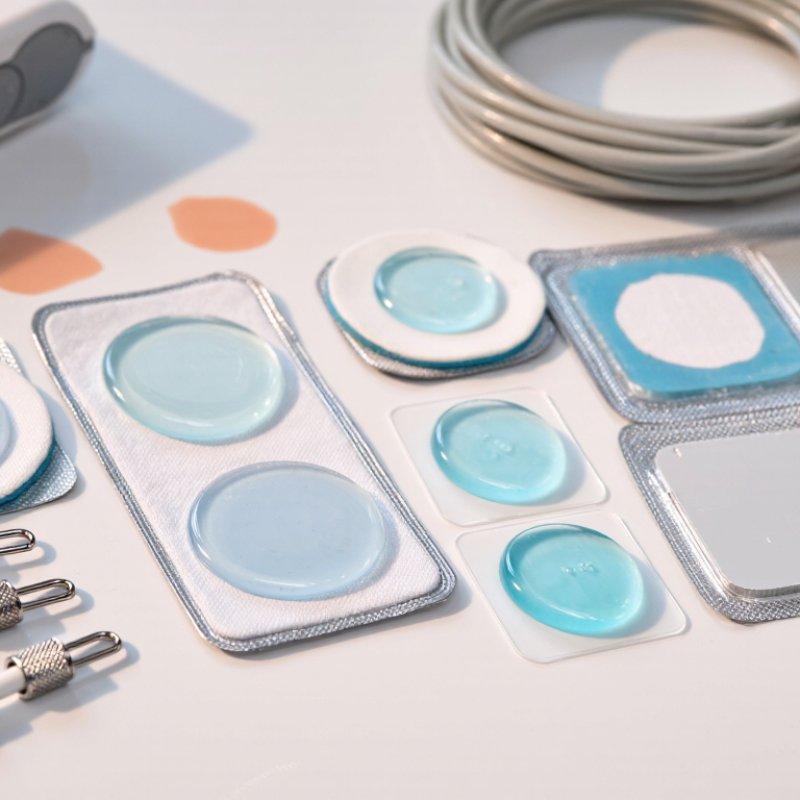
Table of Contents [Hide]
Understanding Adhesive Electrode Pads and Their Main Applications
How to Choose the Best Adhesive Electrode Pads?
Adhesive electrode pads are small conductive surfaces that connect an electrical stimulation device with the skin. Their main applications include TENS for temporary pain relief, EMS for muscle activation, and biofeedback during rehabilitation. Some clinics also use them in supervised physical therapy sessions. The correct pad depends on the device, treatment area, and user’s skin condition.
A reliable pad should offer steady adhesion without pulling the skin sharply. Check its connector type, conductive gel, dimensions, and recommended reuse period. Larger pads can spread current across broad muscles, while smaller pads suit focused areas. Skin should be clean, dry, and free from lotion before application. Hair, sweat, and repeated repositioning may weaken contact. It sounds simple, but poor preparation causes many connection problems.
Comfort deserves careful attention. A pad that stays attached for twenty minutes may still irritate sensitive skin. Look for flexible materials and rounded edges, especially around joints or uneven areas. Store pads sealed and away from heat, because exposed gel can dry quickly. Never place them over damaged skin, and follow the device instructions or professional guidance. Personal experience can help, but it is not a substitute for clinical advice. That assumption can fail. Even a well-designed pad may feel uncomfortable when its size or placement does not match the user’s body.
How to Choose the Best Adhesive Electrode Pads? - Understanding Adhesive Electrode Pads and Their Main Applications
| Selection Dimension | Common Options | Key Characteristics | Recommended Applications |
|---|---|---|---|
| Electrode Material | Carbon film, conductive fabric, or metal-coated material | The electrode should provide even current distribution and remain flexible during movement. | TENS, EMS, NMES, and general electrical stimulation procedures |
| Adhesive and Gel Type | Hydrogel, solid gel, or pressure-sensitive adhesive gel | Hydrogel supports skin contact and conductivity; adhesive strength should balance secure placement with comfortable removal. | Short-term therapy, repeated treatment sessions, and portable devices |
| Pad Size | Small, medium, or large surface area | Larger pads generally spread current over a wider area, while smaller pads are useful for targeted placement. | Large pads for broad muscle areas; small pads for localized treatment zones |
| Shape and Flexibility | Round, square, rectangular, butterfly, or contoured designs | Flexible edges and a shape that follows body contours can reduce lifting and improve contact. | Curved body areas, joints, back, shoulders, arms, and legs |
| Skin Compatibility | Standard adhesive, sensitive-skin adhesive, or latex-free construction | Choose materials designed to minimize irritation, especially for sensitive or frequently treated skin. | Users with sensitive skin or frequent electrode replacement needs |
| Intended Device | TENS, EMS, NMES, biofeedback, or monitoring equipment | The connector and electrical specifications must be compatible with the intended device and treatment mode. | Pain-relief stimulation, muscle activation, rehabilitation, and biofeedback |
| Reusability | Single-use or reusable adhesive pads | Reusable pads require proper cleaning, drying, and storage. Replacement is needed when adhesion or conductivity declines. | Reusable pads for regular home therapy; single-use pads for controlled or clinical procedures |
| Expected Service Life | Varies with skin preparation, usage frequency, storage, and pad construction | There is no universal number of uses; replace pads when they no longer adhere evenly or stimulation feels inconsistent. | All applications requiring reliable skin contact and stable electrical performance |
| Skin Preparation | Clean, dry, oil-free skin | Lotions, oils, sweat, and excessive hair can reduce adhesion and may increase uneven current density. | Any application where consistent contact and comfortable stimulation are important |
| Storage Requirements | Sealed pouch or protective liner in a cool, dry place | Proper storage helps prevent gel drying and preserves adhesive performance. Follow the product instructions. | Home users, clinics, sports rehabilitation, and travel kits |
| Safety Considerations | Device instructions, skin inspection, and contraindication screening | Do not place pads on broken or infected skin. Electrical stimulation may be unsuitable for some users, including people with implanted electronic devices, unless cleared by a healthcare professional. | Clinical, rehabilitation, and home-use environments requiring responsible application |
Practical selection rule: Choose an electrode pad that matches the device connector, covers the treatment area appropriately, maintains full skin contact, and is suitable for the user's skin condition and intended frequency of use.