How to Choose the Best Ceramic Dental Brackets for Your Practice?
Choosing the right Ceramic Dental Brackets is crucial for any orthodontic practice. These brackets play a significant role in patient satisfaction and treatment efficiency. Ceramic dental brackets offer a discreet option for patients seeking a more aesthetic solution. However, not all options are created equal.
Practitioners must evaluate various factors, such as strength, aesthetics, and ease of use. Some ceramic brackets may be less durable over time. This can lead to complications during treatment, which practitioners strive to avoid. It is essential to balance appearance and functionality in any selection. Engaging with product reviews and feedback from peers can provide valuable insights.
Ultimately, the choice of ceramic dental brackets reflects the quality of care offered to patients. Making an informed decision can foster trust and enhance practice reputation. It is vital to remain open to new technologies and approaches in orthodontics. After all, the best choice is one that meets both professional standards and patient needs effectively.
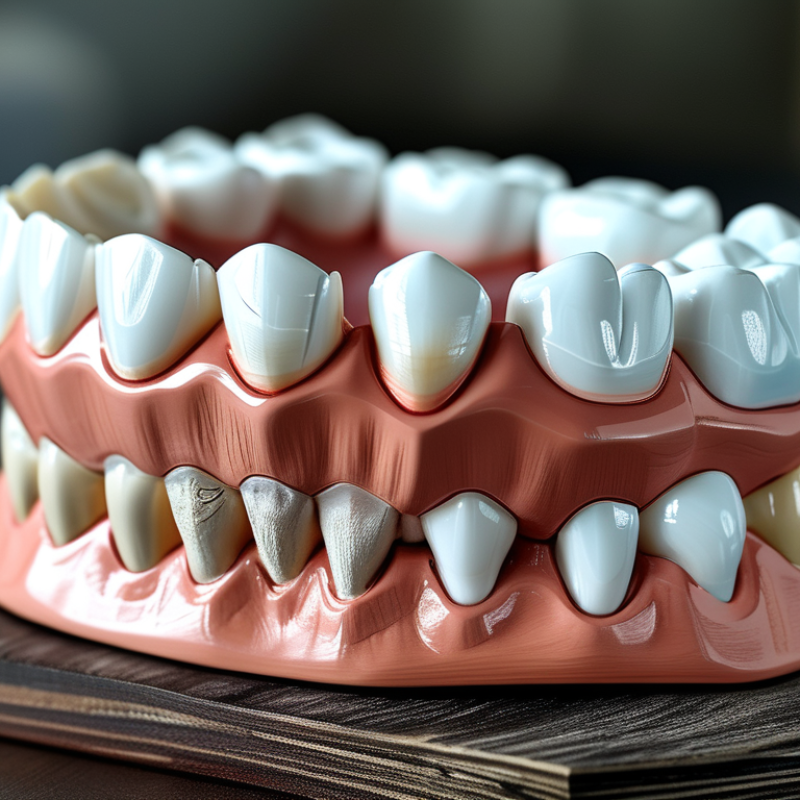
Factors to Consider When Selecting Ceramic Dental Brackets
When selecting ceramic dental brackets, various factors require thoughtful consideration. The aesthetic appeal is vital for many patients. Ceramic brackets often blend better with natural tooth color, making treatment more discreet. However, color matching can be tricky. Some ceramics may not replicate the exact shade of natural teeth, leading to potential dissatisfaction.
Durability is another critical factor. While ceramic brackets are less noticeable, they can be more brittle than metal alternatives. This increased fragility may require practitioners to manage expectations about durability with patients. Frequent breakage can occur, leading to additional visits and prolonged treatment times.
The bracket's size also affects patient comfort and treatment efficiency. Smaller brackets may offer a more refined look, but can complicate adjustments. Larger brackets, while easier to manipulate, might feel bulkier to some patients. Each practice must weigh these factors based on their patient demographics. Always reflect on how these choices align with your practice’s values and patient needs. Balancing aesthetics, durability, and comfort can challenge even the most experienced practitioners.
Types of Ceramic Dental Brackets Available on the Market
When selecting ceramic dental brackets, understanding the types available on the market is crucial. Ceramic brackets have grown in popularity due to their aesthetic appeal. They blend well with tooth color, making them a preferred choice for adults and teens alike.
Currently, there are two main types of ceramic brackets: translucent and aesthetic. Translucent brackets are less visible and often preferred for their discreet appearance. Aesthetic brackets offer a range of colors and can match a patient's tooth shade more closely. According to industry data, about 30% of orthodontists report using ceramic brackets in their practices. They appreciate the improved patient satisfaction associated with these options.
However, challenges remain. Ceramic brackets can be more brittle than metal counterparts, making them prone to breakage under certain conditions. This vulnerability might lead to increased chair time and repairs. Additionally, maintaining bracket integrity requires careful patient education. Some practitioners express concern over the cost-effectiveness of these brackets, as they are generally priced higher than metal options. Balancing aesthetics with durability remains key when choosing the right ceramic brackets for a practice.
How to Choose the Best Ceramic Dental Brackets for Your Practice?
| Type | Material | Aesthetic Quality | Durability | Cost | Recommended Use |
| Translucent | Alumina | Very High | High | $$$ | Cosmetic Cases |
| Opaque | Polymer | Medium | Medium | $$ | General Cases |
| Clear | Polycrystalline | High | Medium | $$$ | Adults and Aesthetics |
| Metal Reinforced | ceramic/metal blend | High | Very High | $$$$ | Complex Cases |
Evaluating the Durability and Strength of Ceramic Brackets
When selecting ceramic dental brackets, durability and strength are crucial factors. Many practices overlook how these qualities affect long-term patient outcomes. Research indicates that ceramic brackets typically exhibit superior aesthetics. However, their ability to withstand daily challenges varies significantly among different materials.
In a study published by the American Journal of Orthodontics, ceramic brackets demonstrated higher fracture resistance than traditional plastic ones. The findings showed that ceramics could endure forces of up to 295 megapascals. This durability is essential, especially in high-stress areas of treatment.
Some methods of bonding can weaken bracket strength. It's vital to consider how the bonding agent can influence the overall effectiveness.
Considering patient comfort is also important. Patients often report a preference for ceramic brackets due to their smooth finish. However, a compromise on the bracket's strength and durability can lead to issues in treatment progression. Reflecting on your choice of materials can lead to better results. Identifying the right balance between aesthetics and functionality will ultimately impact the success of orthodontic treatments.
Cost Comparison: Ceramic Brackets vs. Traditional Options
When comparing ceramic dental brackets to traditional metal options, cost is a significant factor. According to a report from the American Dental Association, ceramic brackets can range from $4 to $10 per unit, while traditional metal brackets are generally priced between $2 and $6. This variance can impact overall treatment costs for patients. Practices that aim to provide aesthetic options may find the higher expense of ceramic brackets offsets their appeal.
However, the longevity and durability of ceramic options can lead to fewer replacements over time. Many professionals report a satisfaction rate of 87% among patients using ceramic brackets due to their discrete appearance. Yet, it’s essential to reflect on your practice's demographics, as the preference for cosmetic treatments may not be uniform. Additionally, some practitioners note the increased breakage rates of ceramic compared to metal brackets. Balancing the aesthetic desires of patients and the practical considerations of cost and durability is crucial for any orthodontic practice.
Patient Comfort and Aesthetic Appeal of Ceramic Brackets
Choosing ceramic dental brackets involves assessing patient comfort and aesthetic appeal. Ceramic brackets are often preferred for their tooth-like appearance. They can blend seamlessly with a patient’s smile, enhancing self-confidence during treatment. Research indicates that 75% of patients prioritize aesthetics when considering orthodontic options.
Comfort is equally crucial. Some studies suggest that ceramic brackets can lead to less soft tissue irritation compared to metal options. However, not all ceramic brackets are created equal. Variability in design can affect a patient’s experience. Some patients report discomfort or sensitivity, particularly in the initial adjustment phase.
Additionally, the potential for staining can influence patient choice. High-quality ceramic brackets resist discoloration better than others. Nonetheless, patient habits play a significant role. Educating patients on oral care is vital. The right choice should balance aesthetics with comfort to ensure optimal outcomes for each individual’s orthodontic journey.