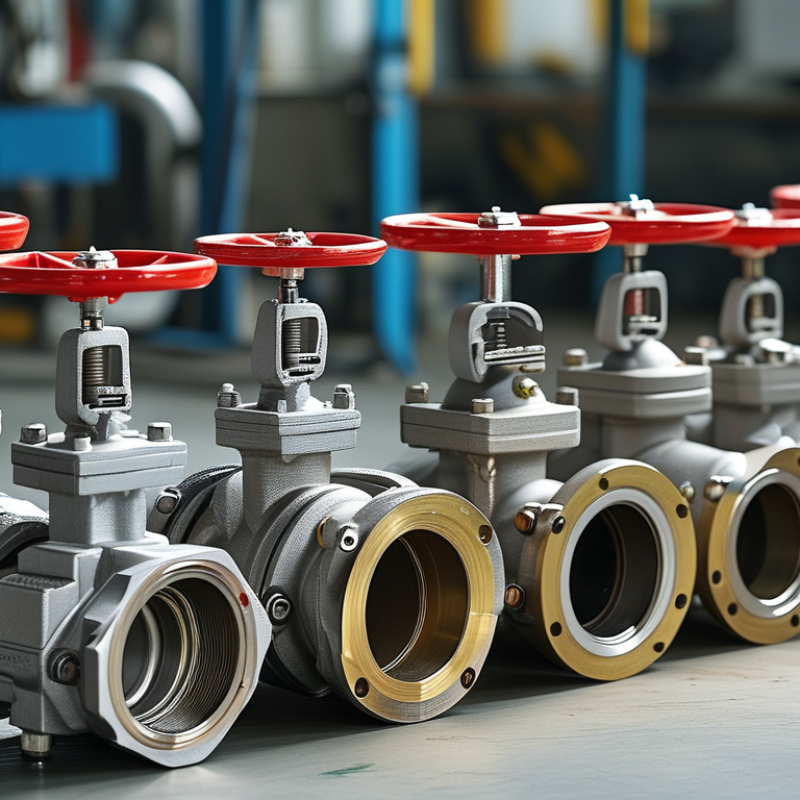
Why Choose the Right Valve Component for Your Needs?
Choosing the right Valve Component is crucial for achieving optimal performance in any system. The right component can enhance efficiency, reduce downtime, and ensure safety. With many options available, the selection process can be daunting.
A valve component's quality directly affects reliability. Poor choices can lead to leaks, malfunctions, and costly repairs. Some industries require specific materials to withstand extreme conditions, such as high pressure or corrosive environments. Understanding these requirements is essential.
Moreover, consulting experts can provide valuable insights. They can assess your specific needs and recommend components that match your system. However, relying solely on recommendations is not enough. It's important to consider your unique circumstances and potential challenges. This reflection can prevent future setbacks and improve your overall operation.
Understanding the Functionality of Valve Components
When selecting valve components, understanding their functionality is crucial. Each component serves a specific role in the flow control process. For instance, a valve body handles internal pressure, while seals prevent leaks. Flushing ports are also critical. These help to clean the system and ensure longevity. Choosing the right materials for these parts affects performance significantly.
Moreover, the design of a valve influences its efficiency. Different shapes and sizes can change how fluid flows. A poorly designed valve may lead to turbulence, causing inefficiencies. It's easy to overlook these details. A small change can lead to a substantial impact on the overall system. For example, even slight variations in seal dimensions can affect the seal’s tightness.
Engineers should balance cost with quality when selecting components. Sometimes, cheaper options compromise reliability. This can lead to higher maintenance costs in the long run. It’s important to reflect on past choices and learn from them. Each decision impacts the overall system effectiveness. A thorough understanding of valve functionality is essential for optimal performance.
Key Factors in Selecting the Right Valve for Your Application
Selecting the right valve component for your application is crucial. Several factors significantly impact your choice. The material of the valve is essential. It should withstand the application’s temperature and pressure. Common materials include brass, stainless steel, and plastics. Each material has its advantages and disadvantages. For instance, stainless steel resists corrosion but can be more expensive.
Another critical aspect is the valve type. Different applications require different valve types. A globe valve might be suitable for flow regulation. In contrast, a ball valve offers quick shutoff capabilities. Understand how the fluid behaves in your system. This understanding helps in selecting a valve that can handle specific flow characteristics.
Don’t overlook the size of the valve. An incorrect size can affect performance. A valve that is too small may restrict flow. A valve that is too large may fail to control the pressure effectively. Assess your system's requirements carefully. Consider installing valves that allow for future adjustments. Flexibility in design can save time and costs down the line.
Different Types of Valves and Their Specific Uses
When selecting a valve, understanding the different types and their specific applications is crucial. Gate valves provide a tight seal for on/off control but are unsuitable for throttling. They work well in applications like water supply. Ball valves offer quick shut-off. They also excel in high-pressure situations, making them a popular choice among engineers.
Butterfly valves are lightweight and compact. They can be used in piping systems for regulating flow. However, they may not handle high-pressure scenarios as effectively as other types. Check valves permit flow in one direction only. They prevent backflow and are commonly used in sump pumps.
Each valve type has its strengths and weaknesses. Consider the medium, pressure, and application before making a decision. A poorly chosen valve can lead to inefficiencies. Think about the long-term impact on your system. The right valve not only improves performance but also enhances reliability. An informed choice is essential for operational success.
Why Choose the Right Valve Component for Your Needs? - Different Types of Valves and Their Specific Uses
| Valve Type | Description | Applications | Advantages |
| Gate Valve | Used to start or stop fluid flow. | Water supply, oil and gas pipelines. | Minimal pressure drop, full flow. |
| Ball Valve | Allows or blocks flow using a spherical disc. | Chemical processing, plumbing systems. | Quick operation, durable. |
| Globe Valve | Used for throttling flow control. | Steam, water, and gas systems. | Good flow regulation and stability. |
| Check Valve | Prevents backflow in a system. | Pumping applications, HVAC systems. | Automatic operation, ensures flow direction. |
| Pressure Relief Valve | Protects systems from pressure overload. | Boilers, storage tanks. | Enhances safety, prevents damage. |
Importance of Material Compatibility in Valve Selection
Choosing the right valve component is essential. Material compatibility is a key aspect often overlooked. In industrial settings, using the wrong material can lead to failures. According to the American Society of Mechanical Engineers, 23% of valve failures are due to material incompatibility.
When selecting valve materials, consider the fluid it interacts with. For instance, chemical reactions can cause rapid degradation. A study from the National Association of Corrosion Engineers found that improper material choices led to $1.1 billion in damages annually. Each fluid requires unique material properties. Compatibility affects not just performance, but also safety.
Fluids can be corrosive, abrasive, or high-temperature. Failing to choose materials that withstand these conditions can have severe consequences. In some cases, early detection is complicated, leading to catastrophic failures. Regular audits and reviews of materials in use might mitigate risks. Understanding specific application needs can drive better selection processes.
Importance of Material Compatibility in Valve Selection
This chart represents the compatibility of various materials used in valve components with different media. Material compatibility is crucial to ensure the longevity and reliability of valves in various environments.
Best Practices for Maintenance and Troubleshooting of Valves
Valves are crucial components in many systems. Proper maintenance is essential to ensure their long-lasting performance. Regular inspections help identify potential issues before they escalate. Look for leaks, unusual noises, and signs of wear. Visual checks can reveal problems that might be missed otherwise. Common issues often stem from dirt or foreign particles. Keeping valves clean is vital for optimal operation.
Troubleshooting involves understanding the system's current state. Begin with the basics: check power supply, and inspect linkage and actuator function. A small change in one area can lead to significant problems elsewhere. If you notice erratic behavior, consider environmental factors. Temperature and pressure fluctuations can affect performance. Document any issues and repairs made. This record helps in identifying recurring problems.
In the world of valves, knowledge is key. Regular training and education on new technologies can enhance maintenance practices. Engage with experts when faced with complex challenges. It’s easy to overlook the importance of continuous learning. Gaps in experience can lead to mistakes. Always remain vigilant and proactive. This mindset fosters reliability and enhances system efficiency.