What is a Conductivity Meter Sensor and How Does It Work?
A Conductivity Meter Sensor is essential in measuring the electrical conductivity of liquids. It plays a critical role in various industries, including agriculture, water treatment, and pharmaceuticals. By determining the concentration of ions in a solution, this sensor provides valuable data for quality control and environmental monitoring.
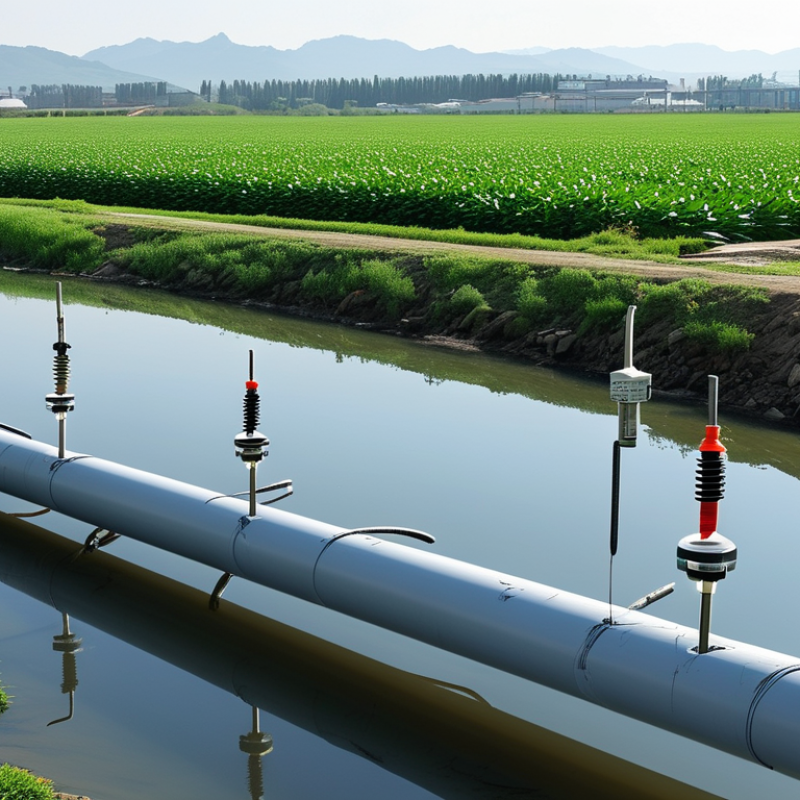
Understanding how a Conductivity Meter Sensor works is vital for professionals in these fields. This device typically consists of two electrodes that immerse in a liquid. When a voltage is applied, the sensor measures how easily the electric current flows. Factors such as temperature and ion concentration significantly impact its readings.
Challenges may arise in using Conductivity Meter Sensors accurately. Calibration is necessary for reliable results. Over time, electrodes can accumulate deposits, affecting conductivity readings. Regular maintenance and proper handling can mitigate these issues. A knowledgeable approach to sensor use ensures effective monitoring and analysis of liquid conductivity.
What is a Conductivity Meter Sensor?
A conductivity meter sensor is a crucial tool in various industries. It measures the electrical conductivity of liquids. This property is essential for assessing water quality, salinity, and contamination levels. Conductivity is measured in microsiemens per centimeter (µS/cm). According to the American Society for Testing and Materials (ASTM), clean water typically has a conductivity between 0.5 and 2.0 µS/cm.
Different industries rely on conductivity meters for specific applications. In agriculture, for example, farmers monitor soil moisture levels. This helps to optimize irrigation and ensure healthy crop growth. Meanwhile, in the food industry, maintaining appropriate conductivity levels ensures product safety and quality. Research from the Water Environment Federation indicates that improper conductivity can lead to ecological damage, impacting aquatic life.
Despite their usefulness, conductivity meter sensors have limitations. They may provide inaccurate readings if not calibrated regularly. Environmental factors, such as temperature changes, can also affect results. Reflections on the sensor's maintenance and calibration are crucial for reliable measurements. Regular assessments help mitigate errors, ensuring consistent performance. Understanding these aspects can enhance the effectiveness of using conductivity meters across various applications.
Components of a Conductivity Meter Sensor
A conductivity meter sensor is essential in measuring the electrical conductivity of solutions. Understanding its components helps us appreciate its effectiveness and application.
The sensor typically consists of two electrodes that measure the conductance of the solution between them. The electrodes are often made from conductive materials like stainless steel or graphite. The material choice plays a critical role in the accuracy of the readings. In some cases, these electrodes can corrode, affecting the reliability of the measurements. Regular maintenance is advisable to ensure their longevity.
Another key component is the microcontroller. This device processes the signals from the electrodes and converts them into readable data. Its role is crucial, as it can determine the precision of the measurement. If the microcontroller is misconfigured, it may lead to false readings. Understanding these intricacies can help users make better-informed decisions when selecting or operating a conductivity meter sensor.
Conductivity Meter Sensor Analysis
This bar chart illustrates the relationship between different conductivity levels (in µS/cm) and the sensor output percentage, showcasing how conductivity meter sensors perform across a range of conductivity values.
How Does a Conductivity Meter Sensor Function?
A conductivity meter sensor is an essential tool used in various fields, from environmental monitoring to water treatment. It measures the electrical conductivity of a solution, indicating its ionic content. This characteristic is crucial when assessing water quality. The sensor typically consists of two electrodes that generate an electric current, which is influenced by the ions present in the solution.
When a solution is measured, the sensor sends a specific voltage through the electrodes. The resulting current flow can tell how conductive the solution is. Higher conductivity means more ions are present, which often correlates with contaminants or dissolved substances. This information is vital for industries, as it helps monitor processes and ensure safety standards are met.
Despite its effectiveness, there can be challenges. The sensors may require regular calibration to maintain accuracy. Factors like temperature and solution composition can affect readings too. Users must consider these elements to ensure reliable data. Each measurement might reflect various conditions, leading to potential misinterpretations. Being aware of these limitations can help in making more informed decisions regarding the water quality being assessed.
Applications of Conductivity Meter Sensors
Conductivity meter sensors play a crucial role in various industries. They are widely used in agriculture, environmental monitoring, and water treatment. In agriculture, these sensors help manage soil health. Farmers use them to measure soil salinity. This ensures crops receive the right amount of nutrients.
In the field of environmental monitoring, conductivity sensors track water quality. They measure how well water conducts electricity, indicating dissolved solids present. This data is vital for maintaining healthy ecosystems. Researchers often rely on these readings to detect pollution levels in lakes and rivers.
Water treatment plants benefit greatly from conductivity meters. They ensure that the treated water meets safety standards. If the conductivity level is too high, it can signal contamination. However, sometimes readings may mislead operators. Factors like temperature and ion concentration can affect accuracy. Thus, regular calibration is essential. This highlights the need for careful use of these devices.
Benefits of Using Conductivity Meter Sensors in Various Industries
Conductivity meter sensors play a crucial role in various industries by measuring the ionic content of solutions. This measurement is vital in fields like water treatment, food and beverage, and pharmaceuticals. According to a recent report from Grand View Research, the global conductivity meter market is expected to reach $3 billion by 2025, showcasing the growing importance of accurate measurements.
In the water treatment industry, conductivity meters help ensure water quality by monitoring dissolved salts. This prevents contamination and ensures compliance with regulations. For instance, the World Health Organization sets strict conductivity limits for drinking water. The food and beverage sector also relies on these sensors to maintain product consistency. A study by the Food Processing Technology Association highlights that mission-critical processes benefit significantly from real-time conductivity measurements.
The pharmaceutical industry uses these sensors to guarantee product safety. They confirm that correct ionic concentrations are maintained during drug production. Yet, despite their benefits, challenges exist. Factors like temperature fluctuations can affect accuracy. It’s essential to regularly calibrate these meters to maintain reliability. Without proper maintenance, discrepancies may arise, potentially compromising quality.