What is a DC High Pressure Pump and How Does it Work?
Dc High Pressure Pumps are essential devices in various industries. They are designed to deliver fluids at high pressures, allowing for efficient operation in tasks like irrigation, hydraulic systems, and industrial processes. Understanding how a DC High Pressure Pump works can help improve its application and longevity.
These pumps utilize direct current (DC) motors to create pressure. This technology is efficient and often more affordable than traditional AC pumps. The ability to control the pressure output is crucial in many applications, showcasing the versatility of DC High Pressure Pumps.
However, not all pumps are the same. Variations in design and materials can impact performance and durability. Users must choose carefully to match the pump to specific needs. Reflection on usage conditions and maintenance practices can enhance reliability. Investing in quality helps avoid common pitfalls.
What is a DC High Pressure Pump?
A DC high pressure pump is a specialized device designed to deliver water or other fluids at high pressure. These pumps convert electrical energy from a direct current (DC) source into kinetic energy, resulting in efficient fluid movement. Compared to traditional pumps, they offer a compact design and lower noise levels. They are particularly useful in various applications, including automotive, marine, and industrial settings.
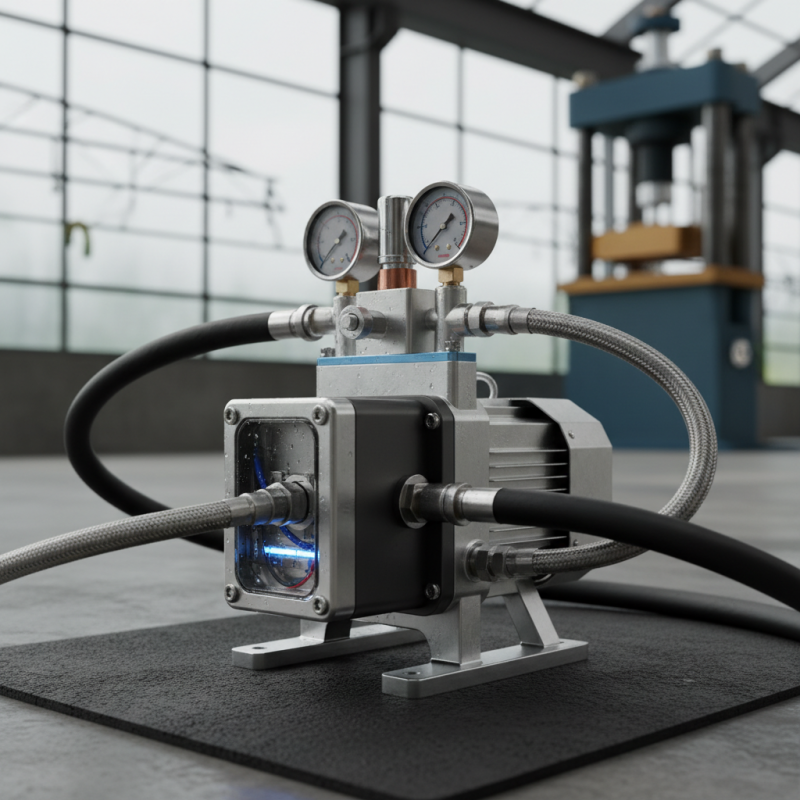
The working mechanism of a DC high pressure pump involves a series of components, such as the motor, impeller, and housing. When powered, the motor drives the impeller. This action creates a pressure difference that forces the fluid into the outlet. The fluid then flows through a discharge pipe, achieving high pressure. Proper selection is crucial. Incorrect sizing can lead to inefficiency or damage.
Proper maintenance is essential for optimal performance. Debris in the system can reduce the pump's efficiency. Regularly inspecting filter screens and seals can prevent more significant issues. Operators should also monitor the pump's pressure readings. Doing so can help identify potential problems before they escalate. Ultimately, understanding the mechanics and maintaining the system lead to a reliable high pressure pump operation.
Components of a DC High Pressure Pump
A DC high pressure pump consists of several key components that ensure efficient performance. The motor is one of the most vital parts. It converts electrical energy into mechanical energy. This energy drives the pump, allowing it to move fluids at high pressures. Motors come in various sizes and power ratings, depending on the application.
The pump head is another critical component. It houses the impeller, which is crucial for fluid movement. The design of the impeller affects the flow rate and pressure. Different users may require unique designs to fit their specific needs. Careful consideration of the material is essential to prevent corrosion and wear.
The sealing mechanism is equally important. Proper seals prevent leaks and maintain pressure. They must withstand the pump's internal conditions. Regular inspection of seals can identify wear before failures occur. Each part plays a role in achieving reliable and effective operation. Users should reflect on their pump’s components for optimal maintenance.
Understanding the Components of a DC High Pressure Pump
Principles of Operation for DC High Pressure Pumps
DC high pressure pumps play a crucial role in various applications, delivering fluid at high pressures with efficiency. These pumps work by converting electrical energy from a DC power source into mechanical energy. The core component is the motor, which drives a piston or diaphragm, creating pressure to move the fluid. This process enables precise control over the flow, making it suitable for many industries.
The operational principles of a DC high pressure pump primarily involve the conversion of electrical energy into kinetic energy. As the motor spins, it drives the piston or diaphragm back and forth. This movement draws fluid into the chamber and then compresses it, generating high pressure. The design ensures minimal fluid loss, enhancing reliability. However, one must consider that not all pumps perform equally under varying temperatures or viscosities.
Another critical aspect is maintenance. Regular checks on seals and the motor are essential. Neglecting these can lead to inefficiencies and increased wear. Users often overlook the potential for cavitation, which can damage pump components. Awareness of these factors is vital for optimal performance. Understanding how these pumps work helps users maximize their effectiveness in demanding tasks.
Applications of DC High Pressure Pumps
DC High Pressure Pumps are versatile devices used in various applications. These pumps have a significant role in cleaning, spraying, and fluid transfer. They are often employed for high-pressure car washing or industrial cleaning tasks. In agriculture, they assist in irrigation systems, ensuring crops receive adequate water.
Moreover, DC High Pressure Pumps function effectively in water treatment facilities. They help in moving water through filtration systems, enhancing overall efficiency. Their use in marine applications cannot be overlooked. Watercraft utilize these pumps for cooling and sanitation processes. This makes them indispensable in maintaining operational readiness.
While many appreciate their utility, issues can arise. For instance, improper maintenance can lead to pump failure. Users often overlook routine checks, leading to reduced efficiency. Consistent monitoring is essential to ensure longevity and performance. Even small leaks can affect pressure and productivity. Understanding the intricacies of these pumps is crucial for optimal operation.
Maintenance and Troubleshooting Tips for DC High Pressure Pumps
DC high-pressure pumps are essential in various applications. They rely on direct current to create pressure and move liquid efficiently. Regular maintenance ensures optimal performance and longevity.
Tips for maintenance include checking the power supply frequently. Ensure all connections are secure and free from corrosion. Periodic inspection of seals and hoses is vital. Replace worn parts immediately to avoid leaks.
When troubleshooting, monitor the pump for unusual sounds. Any strange noise may indicate a mechanical issue. If the pump fails to build pressure, check for clogs in the intake line. Addressing these issues promptly can save time and reduce costs in the long run.