How to Effectively Treat Drinking Water at Home for Safe Consumption
Access to safe drinking water is essential for maintaining good health, yet many households face challenges in ensuring their water quality. The process of drinking water treatment is not just a concern for municipal systems; individuals can take proactive measures right in their homes. By understanding the significant contaminants that can affect drinking water and exploring effective treatment methods, homeowners can safeguard their families from potential health risks.
The importance of drinking water treatment cannot be overstated, as it allows for the removal of harmful microorganisms, chemicals, and unwanted minerals that may be present in tap water. From basic filtration techniques to more advanced purification systems, various solutions are available to enhance water quality. In this guide, we will explore practical approaches to drinking water treatment, providing insights into how to choose the most suitable methods for your household needs, ensuring that every drop consumed is pure and safe.
Understanding the Importance of Safe Drinking Water at Home
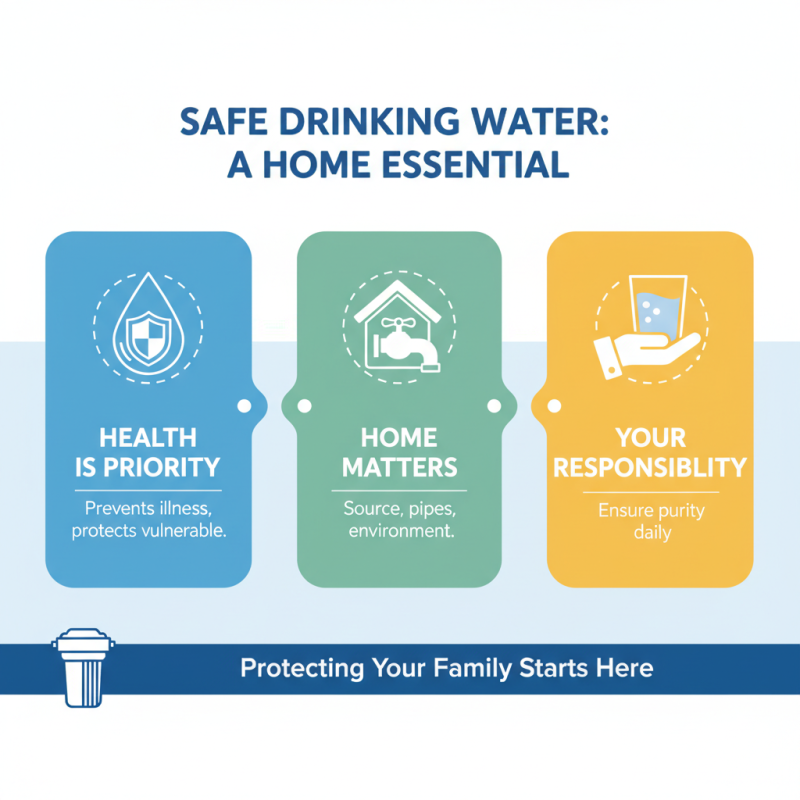
Safe drinking water is a fundamental necessity for maintaining good health and preventing waterborne diseases. Understanding its importance at home is crucial, as contaminated water can pose serious health risks, particularly to vulnerable populations such as children, the elderly, and those with compromised immune systems. The quality of drinking water can be affected by various factors, including the source of the water, plumbing materials, and environmental contaminants. Therefore, ensuring that the water you consume is safe should be a priority for every household.
To achieve this, homeowners can implement several treatment methods to improve water quality. Filtration systems, for instance, can remove impurities and harmful microorganisms, making water safer for drinking and cooking. Boiling water is another effective way to kill pathogens and improve safety, especially in emergency situations. Regular testing of water can also help identify any potential contaminants, allowing for prompt action to address any issues. By prioritizing safe drinking water, families can safeguard their health and well-being, ensuring a better quality of life for all members of the household.
Common Contaminants Found in Household Water Supplies
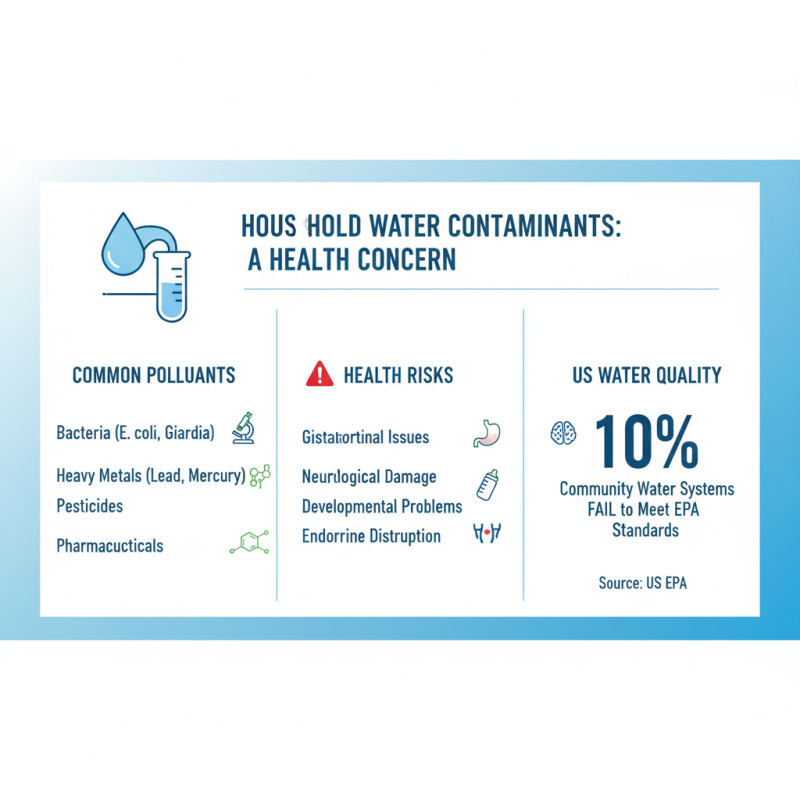
Household water supplies can often contain a variety of contaminants that pose risks to health and safety. According to the U.S. Environmental Protection Agency (EPA), common contaminants include bacteria, heavy metals like lead and mercury, pesticides, and even pharmaceuticals. The presence of these pollutants can be particularly concerning, as studies have shown that up to 10% of community water systems in the U.S. may deliver water that does not meet federal health standards.
Heavy metals are notable culprits; for instance, lead exposure is linked to developmental issues in children, while mercury can affect kidney function and fetal development. Additionally, microbial contaminants such as E. coli can lead to serious gastrointestinal illnesses. In urban areas, the risk is compounded with sediment and chemical runoff from various sources, affecting water quality. Recent reports highlight that nearly 6 million people in the U.S. rely on private wells, making them susceptible to contamination from neighboring agricultural activities, which can introduce nitrates and herbicides into their drinking water.
To effectively treat drinking water, homeowners should consider implementing filtration systems that can address these specific contaminants. The CDC recommends regular water testing to identify issues, followed by appropriate treatment methods such as reverse osmosis or activated carbon filters, which can significantly reduce the levels of harmful substances in household water supplies. By being proactive about water quality, households can ensure safer drinking water and protect their health.
Methods for Treating Drinking Water: Overview of Techniques
When it comes to treating drinking water at home, there are several effective methods that ensure safe consumption. One common technique is boiling, which kills most microorganisms present in water. By heating water to a rolling boil for at least a minute, you can eliminate pathogens such as bacteria, viruses, and protozoa, making it a reliable method for disinfection. This approach is straightforward and requires no additional equipment, making it accessible for most households.
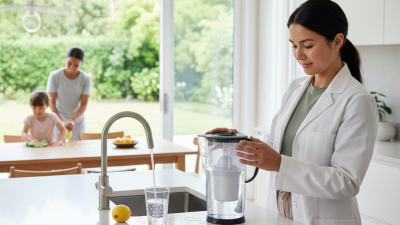
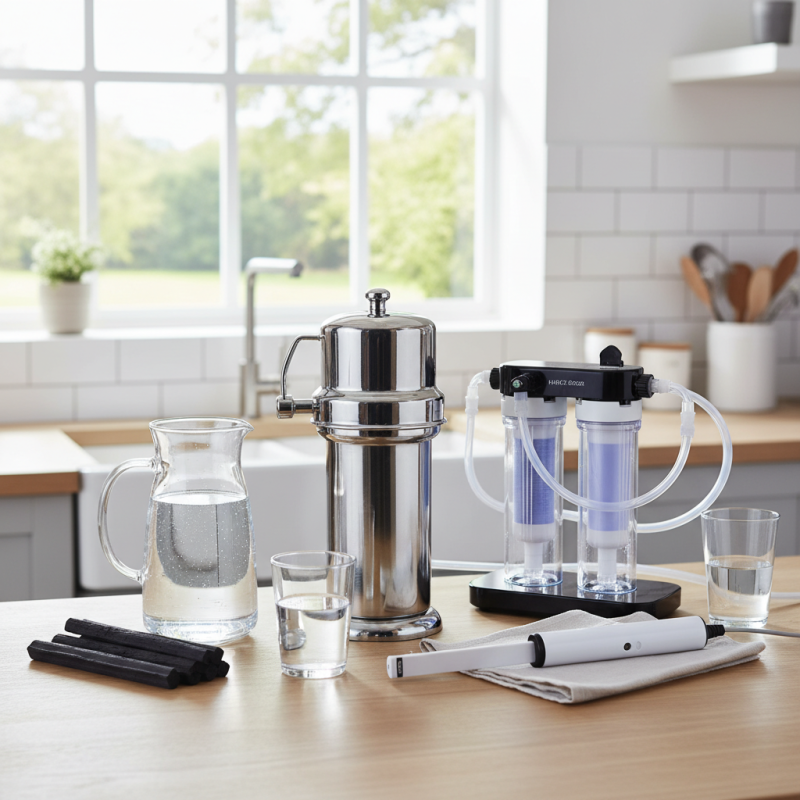
Another effective method for treating drinking water is the use of filtration systems. Water filters can remove impurities, sediments, and chlorine, enhancing water taste and safety. There are various types of filters available, including activated carbon filters, reverse osmosis systems, and ceramic filters, each designed for different needs and levels of contamination. By selecting the appropriate filter, homeowners can significantly improve the quality of their drinking water, catering to specific contaminants that may exist in their local water supply.
How to Effectively Treat Drinking Water at Home for Safe Consumption - Methods for Treating Drinking Water
| Treatment Method |
Description |
Advantages |
Disadvantages |
| Boiling |
Heating water to its boiling point (100°C) to kill bacteria and pathogens. |
Effective and inexpensive method; kills most organisms. |
Does not remove chemical contaminants; requires fuel. |
| Filtration |
Using filters to remove impurities and contaminants from water. |
Removes sediments and some chemicals; easy to use. |
Not all filters remove pathogens; requires regular maintenance. |
| Chemical Treatment |
Adding chlorine or iodine to disinfect water. |
Effective against bacteria and viruses; relatively cheap. |
May leave chemical taste; not effective against all pathogens. |
| UV Treatment |
Using ultraviolet light to kill microorganisms. |
Effective against bacteria and viruses; no chemicals used. |
Requires electricity; does not remove chemical pollutants. |
| Distillation |
Heating water to create steam and then cooling it to get pure water. |
Removes pathogens and chemical contaminants; produces high purity water. |
Time-consuming and energy-intensive; may remove beneficial minerals. |
Step-by-Step Guide for Boiling and Filtering Water at Home
When it comes to ensuring safe drinking water at home, boiling and filtering are two of the most effective methods. According to the World Health Organization (WHO), boiling water for at least one minute can eliminate pathogens such as bacteria, viruses, and parasites, making it a reliable way to ensure microbiologically safe water. This process is particularly beneficial in areas where water sources may be contaminated or during emergencies when access to clean water is compromised. For higher altitudes, where the boiling point decreases, it is advised to boil for a longer duration, typically three minutes.
After boiling water, the next step is to filter it to remove impurities such as sediments, chlorine, and heavy metals, which boiling alone cannot eliminate. Various home filtration systems are available, ranging from activated carbon filters to reverse osmosis units. According to a report by the Environmental Protection Agency (EPA), properly maintained filtration systems can significantly reduce harmful substances, including lead, which can be present in tap water due to aging plumbing. Regular maintenance and replacement of filters are crucial to ensure their effectiveness, as they can become saturated with contaminants over time. By combining both boiling and filtering, households can attain a higher standard of water safety, ensuring its suitability for consumption.
Maintaining Your Water Treatment Systems for Optimal Performance
Maintaining your water treatment systems is essential for ensuring safe and clean drinking water at home. According to the American Water Works Association, approximately 70% of residential water treatment systems are not properly maintained, which can lead to inefficiencies and compromised water quality. Regular maintenance includes routine checks of filters, UV lamps, and any other components specific to your system. For instance, if using a reverse osmosis system, it is recommended to replace the pre-filters and post-filters every 6 to 12 months to prolong the life of the membrane and maintain optimal filtration efficiency.
In addition to regular filter changes, household water treatment systems should also be monitored for performance indicators. Industry standards suggest testing water quality at least once a year, focusing on parameters such as pH levels, turbidity, and contaminants like lead or bacteria. By adhering to these protocols, homeowners can ensure that any potential issues are identified early on. A report from the Environmental Protection Agency indicates that failing to adequately maintain water treatment systems can increase the risk of harmful substances in drinking water, underscoring the importance of diligence in system upkeep. Proper maintenance not only enhances system functionality but also instills confidence in the safety of the water consumed.