What Is First Plate Proofing and How Does It Work?
A press sheet can look convincing under one light and wrong under another. A slight color shift, a misplaced image, or an incorrect fold may affect an entire print run. First Plate Proofing helps teams catch these issues before production continues. It is an early, physical check of a printed sheet, made on the press using the intended paper, inks, and production settings.
The process is practical. The operator prints a setup sheet, then the team checks color, registration, image detail, and finishing marks against the approved proof and job specifications. If something is off, adjustments can be made before more sheets are produced. The method supports control, but it is not a guarantee: paper variation, lighting, and judgment can still influence what people see. Small differences matter.
Industry guidance helps put this check in context. PRINTING United Alliance’s 2024 State of the Industry report examines business conditions and operational priorities across the printing sector, where production efficiency and quality remain important concerns. ISO 12647 provides process-control specifications for several print processes, while Fogra’s ProcessStandard Digital and ProcessStandard Offset resources describe practical approaches to consistent output. These references do not replace skilled pressroom decisions. They provide a shared basis for them. This guide explains what First Plate Proofing checks, how the approval workflow works, and where its limits deserve attention. A proof is useful. It is not magic.
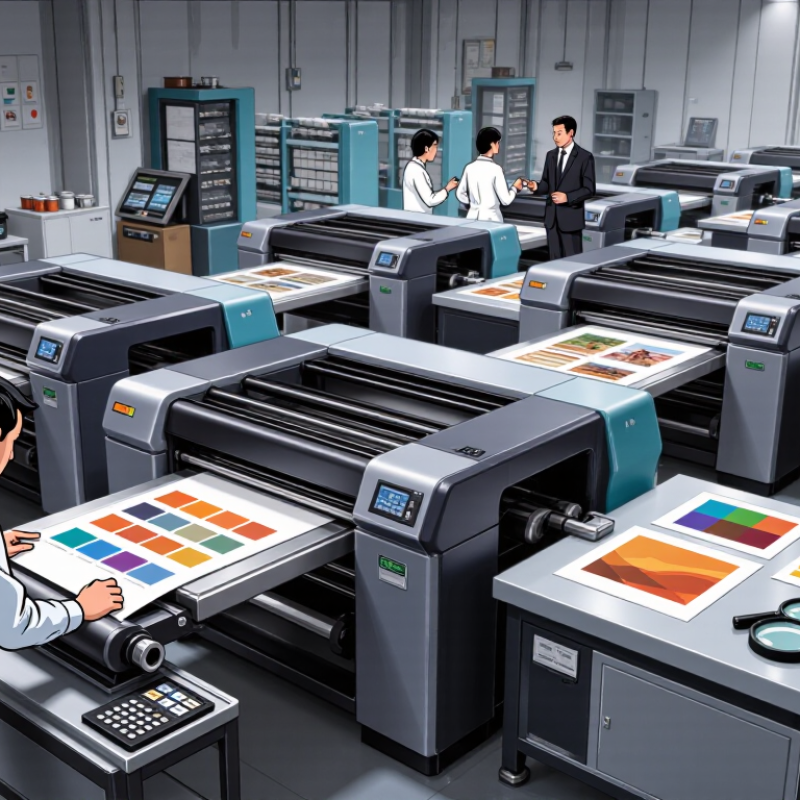
What First Plate Proofing Means in the Printing Process
First plate proofing is the first printed check made from production plates, usually on the intended press and stock. It tests whether the prepared plates transfer the approved image consistently before the full run begins. The press operator checks registration, ink density, halftone detail, and alignment against the approved proof. A close look at fine text and trim marks can reveal errors that a screen preview misses. Small marks matter. The term is not used identically in every print shop, so teams should agree on what “first plate proof” means before production.
This check also connects to a wider business risk.
Smithers’ The Future of Global Printing to 2028 report estimated the global print market at $818.5 billion in 2022 and projected $846 billion by 2027. At that scale, a small setup fault can waste substantial paper and press time.
A first pull gives the team a real sheet to assess under consistent lighting, then adjust ink, register, or plate settings before approval. ISO 12647-2 provides recognized process-control targets for offset printing, while Fogra’s ProcessStandard Offset offers practical assessment methods. Still, a proof is not magic. Paper shade, press behavior, and viewing conditions can shift the result; sometimes the first sheet looks acceptable, but deserves another check.
Why Printers Create a First Plate Proof
A first plate proof is an early press sheet made from the production plates, ink, and chosen paper. It lets the printer inspect the job before running the full quantity. Small marks matter. The team checks color balance, registration, image detail, trapping, and whether fine text stays readable. A slight plate shift can leave colored edges around letters. A weak highlight may disappear on textured stock.
Printers create this proof to catch costly setup problems while adjustments are still manageable. Smithers’ report The Future of Global Printing to 2028 valued worldwide print output at about US$834.3 billion in 2022. That scale makes repeatable quality important, though the figure does not measure proofing savings. On press, operators compare the sheet with approved color targets and inspect it under consistent lighting. A proof cannot predict every variation in a long run; paper and ink can still behave differently. It is a checkpoint, not magic.
Tips: Check registration marks and small type first, then review color under neutral light. Keep the approved sheet beside the press for comparison. If a color looks wrong, confirm the paper and lighting before changing ink settings. One rushed check can miss a real problem.
What Is First Plate Proofing and How Does It Work?
Why printers create a first plate proof before a full production run
How to read this chart: Standard four-color process printing uses four separate plates—one each for cyan, magenta, yellow, and black (CMYK). A first plate proof lets the printer check the image and color separations, as well as registration, before proceeding with the full run. Jobs using additional spot colors may require extra plates.
Materials and Setup for Making a Plate Proof
Making a first plate proof requires the printing plate, a compatible proofing press or hand-proofing setup, proofing ink, a roller, and suitable paper. Keep the work surface level and free of dust. Secure the plate according to the equipment instructions, then apply a thin, even layer of ink. Too much ink can hide fine details; too little may make solid areas look weak. A clean test sheet helps you judge the transfer before using your chosen proofing stock.
Tips: Use the same paper type planned for evaluation when practical, and note the ink amount and pressure. Keep it clean. Small shifts matter. Wear suitable gloves when handling ink, and follow the plate and equipment maker’s care guidance.
Pull the proof with steady pressure, then let it dry before checking it under neutral, even light. Look for missing lines, uneven coverage, pinholes, or unwanted marks. Compare the proof with the approved image and record any changes needed. Results can vary with paper texture, ink viscosity, and pressure, so one pull may not tell the whole story. I sometimes find a proof looks acceptable while wet, then reveals thin areas as it dries; that is a useful reminder to judge the finished sheet, not just the fresh impression.
How to Produce and Inspect a First Plate Proof
A first plate proof is an early press sheet made from the actual production plates, paper, and inks. It shows how the job behaves on press, not just on a monitor. Before printing, confirm the plate order, paper direction, ink settings, and approved file version. Keep the press conditions close to the planned production run. Otherwise, the proof may not predict the final result.
Pull a sheet after the press reaches stable color and registration. Check small type, fine lines, image detail, and alignment between colors. Use a loupe to inspect edges, and compare the sheet with the approved proof under consistent lighting. Look for color shifts, missing details, scumming, streaks, or uneven coverage. A clean-looking sheet can still hide a problem. Don’t rush this check. Record the press settings and mark any corrections clearly, so the operator can make a controlled adjustment and pull another sheet. Some judgments remain subjective, especially around color; note that uncertainty rather than treating one glance as certainty.
How Proofing Results Guide Plate Adjustments and Approval
First plate proofing turns a prepared plate into a checkable sample before full production. The proof is compared with approved artwork and technical targets, not judged by appearance alone. Under consistent lighting, the operator checks color patches, fine type, image edges, and registration marks. A loupe can reveal doubled edges; a densitometer can show whether solid areas drift from the target. Keep measurement conditions consistent.
Results point to specific adjustments. If one separation prints too dark, the team may review plate exposure, processing, or tonal compensation before changing the artwork. Misaligned color edges may call for registration corrections, while closed counters in small letters can signal excessive dot gain. Not every mismatch deserves a plate change. A proof can still mislead. Paper, press settings, and viewing light affect the sample, so the cause should be checked before edits are made.
After adjustments, a fresh proof confirms whether the correction worked without harming nearby details. The reviewer records measurements, marked defects, and the version number, then approves against agreed tolerances for color, registration, and legibility. If the target is subjective, that limitation should be noted rather than hidden. Approval is more reliable when the people reviewing the proof use the same lighting and criteria.