Top Industrial PC Trends for 2026 What You Need to Know?
As we look ahead to 2026, the landscape of Industrial PC technology is evolving rapidly. The demand for efficient, durable, and versatile Industrial PCs is driven by advancements in automation, IoT, and data processing. These devices are pivotal in manufacturing, logistics, and many other industrial sectors.
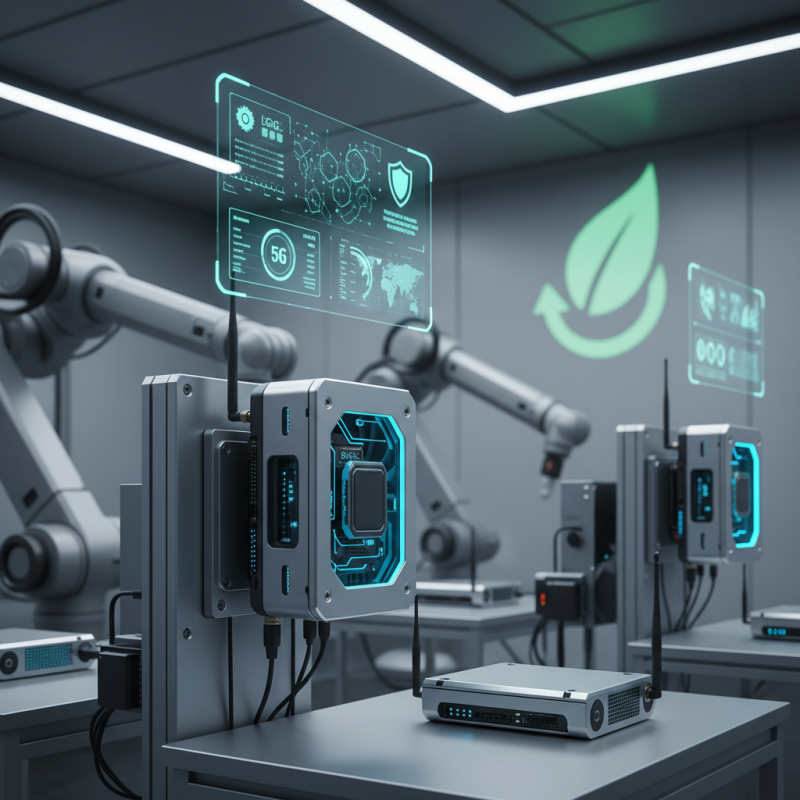
In the coming years, we're likely to see significant shifts. For instance, the integration of AI capabilities is becoming crucial. Industrial PCs will not only process data but also learn and optimize operations. Enhanced connectivity options, such as 5G, will support real-time data exchange, making Industrial PCs more effective.
However, companies must also address challenges. Cybersecurity remains a critical concern, as more devices become interconnected. Organizations need to invest in robust security measures. Moreover, the sustainability aspect cannot be overlooked. Eco-friendly practices in the design and disposal of Industrial PCs are essential for responsible growth. These considerations will shape the future of Industrial PCs and determine their success in a competitive market.
Emerging Technologies Shaping Industrial PCs in 2026
As we move towards 2026, emerging technologies are revolutionizing the landscape of industrial PCs. The rise of AI and machine learning is enabling smarter automation solutions. According to a recent report from MarketsandMarkets, the industrial PC market is projected to grow at a CAGR of 8.5% from 2021 to 2026. This growth underscores the importance of adaptability in industrial sectors.
Edge computing is another critical trend. By processing data closer to its source, businesses can achieve real-time decision-making. This can reduce latency significantly. Studies show that organizations adopting edge computing report a 30% increase in operational efficiency. However, implementing such technology requires careful planning and resources.
Tip: Invest in staff training. Adequate training ensures effective use of industrial PCs. Also, ensure compatibility with existing systems. This avoids costly revisions and enhances operational flow. Remember, not every advance will fit seamlessly. Regular assessments can help in refining tech integration.
Key Features to Expect in Future Industrial Computers
As we look towards 2026, industrial PCs are expected to evolve rapidly. Increasing data processing needs in factories drive this change. Future industrial computers will likely feature enhanced edge computing capabilities. These advancements will allow for real-time data analytics directly on the shop floor, leading to faster decision-making and improved efficiency.
One key aspect to expect is greater integration of AI. AI will enhance predictive maintenance operations. With machines becoming smarter, downtime can be significantly reduced. Reports project that AI integration could lower maintenance costs by up to $30%. This shift not only saves money but also optimizes production schedules.
Tips: Consider the role of cybersecurity in your planning. As systems become more interconnected, they also become more vulnerable. A robust cybersecurity framework is essential to protect sensitive data. Additionally, ensure that your workforce is trained on new technologies. Technology is only as effective as the people using it.
Engagement with IoT solutions will also be critical. Future industrial PCs will likely support a wider range of IoT devices. This will facilitate better monitoring and control of equipment. Data collected from these devices will improve operational insights. However, integrating these features may present challenges. Companies must be prepared to adapt their infrastructure and processes accordingly.
Impact of AI and Automation on Industrial PC Market Trends
The impact of AI and automation is increasingly shaping the industrial PC market. According to a recent industry report, the global industrial PC market is projected to reach approximately $8 billion by 2026. This growth is driven by the integration of AI technologies in manufacturing processes. AI enables predictive maintenance, reducing downtime significantly. Companies that implement AI in their operations often report a 20% increase in efficiency.
Automation is another key player. The rise of smart factories has led to higher demand for programmable industrial PCs. These devices are essential for running automated machinery and systems. A study estimates that the adoption of automation can lower operational costs by 30%. However, businesses must be cautious. Not all firms possess the expertise to implement these technologies effectively. Failure to adapt can result in wasted resources and missed opportunities.
Security concerns are also on the rise. With increased connectivity, industrial PCs are becoming more vulnerable to cyber threats. Research indicates that 60% of manufacturers are facing heightened risks due to insufficient cybersecurity measures. As AI and automation evolve, the industrial PC market will need to address these challenges proactively.
Sustainability and Energy Efficiency in Industrial PC Design
Sustainability and energy efficiency are becoming essential in industrial PC design. The focus is shifting towards using eco-friendly materials and reducing energy consumption. Engineers are exploring innovative cooling systems and low-power components. These changes help reduce the carbon footprint during production and operation.
Designing sustainable industrial PCs is not just about materials. It also involves creating systems that last longer and require fewer repairs. Modular designs allow for easy updates, minimizing waste. Functionality can coexist with sustainability. However, balancing cost and eco-conscious choices remains a challenge. Companies must consider initial investments versus long-term savings.
Tips:
- Always opt for energy-efficient components.
- Regular maintenance extends the lifespan of industrial PCs.
- Encourage recycling programs within your organization.
Investments in sustainability can pay off. Consumers and businesses increasingly demand eco-friendly solutions. The trend towards sustainable design is likely to influence market competition. Fostering a culture of sustainability may require time and patience, but the benefits are significant.
The Role of Industrial PCs in Smart Manufacturing Systems
Industrial PCs (IPCs) are key to advancing smart manufacturing systems. By 2026, IPCs will increasingly support automation and data exchange. According to the latest industry report, the global industrial PC market is projected to grow at a CAGR of 6.5%, reaching $7.5 billion. This reflects the rising need for reliable computing in harsh environments.
These systems are essential for real-time data processing. They enhance operational efficiency and improve decision-making. Research indicates that 70% of manufacturers prioritize IPCs for their ability to integrate seamlessly with IoT devices. This integration enables real-time monitoring and predictive maintenance, which can reduce downtime by up to 30%. However, implementing these technologies comes with challenges. Many companies face interoperability issues and require extensive training for their workforce to maximize IPC utilization.
Despite these hurdles, the potential benefits are significant. Optimizing smart manufacturing systems with IPCs also involves ensuring cybersecurity. A staggering 41% of manufacturers report concerns about cyber threats impacting their operations. Balancing innovation with security needs careful consideration. The ongoing evolution of IPCs will reshape manufacturing landscapes, but organizations must prioritize both performance and protection.