What is Industrial Water Treatment and Why it Matters for Your Business
Industrial water treatment is a critical process for businesses that rely on water in their operations. As industries face increasing pressures related to water quality and scarcity, the importance of effectively managing and treating water resources cannot be overstated. This process not only ensures compliance with environmental regulations but also enhances operational efficiency and sustainability. By investing in industrial water treatment solutions, companies can reduce their environmental footprint while safeguarding their resources against contamination and depletion.
Moreover, the economic implications of industrial water treatment are substantial. Poor water quality can lead to equipment failures and increased maintenance costs, impacting productivity and profitability. Conversely, implementing robust water treatment practices allows businesses to recycle and reuse water, significantly lowering operational costs. As industries continue to grow, the demand for innovative water treatment technologies will only intensify, reinforcing the need for businesses to stay ahead of the curve. Understanding and prioritizing industrial water treatment is not just a regulatory obligation but a strategic advantage that can drive long-term success in today’s competitive market.
Understanding Industrial Water Treatment: Definition and Importance
Industrial water treatment refers to the processes and technologies used to purify water for industrial purposes, ensuring it meets the required standards for specific applications. According to the Global Water Intelligence report, the industrial water treatment market is projected to reach $80 billion by 2025, highlighting its critical role in various sectors such as manufacturing, pharmaceuticals, and energy. This significant investment underscores the importance of effective water management strategies that mitigate risks associated with water scarcity and contamination.
The importance of industrial water treatment lies in its ability to enhance operational efficiency and sustainability. By treating and recycling water, industries can reduce their withdrawal from natural water sources, addressing the increasing water stress that many regions are facing. A report by the United Nations notes that by 2030, global water demand will outpace supply by 40%, raising the stakes for businesses to incorporate robust water management systems. Furthermore, effective water treatment can help industries comply with environmental regulations, reducing their ecological footprint and avoiding costly fines associated with non-compliance. In essence, the commitment to water treatment not only supports the sustainability of operations but also contributes to the overall health of the planet.
What is Industrial Water Treatment and Why it Matters for Your Business
| Dimension |
Description |
Importance |
| Definition |
The process of treating industrial wastewater to make it reusable or safe for disposal. |
Reduces environmental impact and conserves water resources. |
| Techniques |
Includes filtration, chemical treatment, and biological treatments. |
Ensures compliance with regulations and improves process efficiency. |
| Benefits |
Cost savings, reduced waste, and sustainable business practices. |
Fosters a positive brand image and attracts eco-conscious customers. |
| Regulations |
Compliance with environmental laws governing wastewater discharge. |
Avoids fines and legal issues, promoting operational integrity. |
| Future Trends |
Increased automation, smart monitoring, and advanced treatment technologies. |
Enhances efficiency and supports long-term sustainability efforts. |
Key Processes in Industrial Water Treatment: Technologies and Techniques
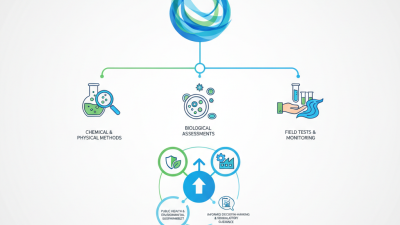
Industrial water treatment is essential for businesses seeking to optimize their operations, ensure regulatory compliance, and promote sustainability. Key processes in industrial water treatment encompass various technologies and techniques tailored to effectively manage water quality. Among these, physical, chemical, and biological treatment methods stand out. For instance, the use of membrane filtration technology has gained traction, with the global market projected to reach $7.6 billion by 2025, owing to its efficiency in removing contaminants and managing wastewater.
Chemical treatment remains a cornerstone of industrial water treatment, with processes such as coagulation, flocculation, and disinfection being crucial for maintaining water safety. According to a recent industry report, approximately 60% of industries still rely on traditional chemical treatment methods, although the push for more environmentally friendly options is leading to innovations in bioremediation and advanced oxidation processes. These emerging techniques not only mitigate environmental impact but can also substantially reduce operational costs associated with water management.
Furthermore, the integration of monitoring technologies plays a vital role in maintaining water treatment systems. The adoption of IoT-enabled sensors provides real-time monitoring of water quality, allowing for prompt adjustments in treatment processes. A study showed that companies implementing smart water management solutions could reduce water treatment costs by up to 25%, highlighting the economic benefits alongside improved water safety and compliance. As industries face increasing pressure to address water scarcity and quality issues, understanding these key processes and technologies is paramount for sustained business success.
Industrial Water Treatment Overview: Key Processes and Their Importance
Regulatory Compliance: The Role of Water Treatment in Industry Standards
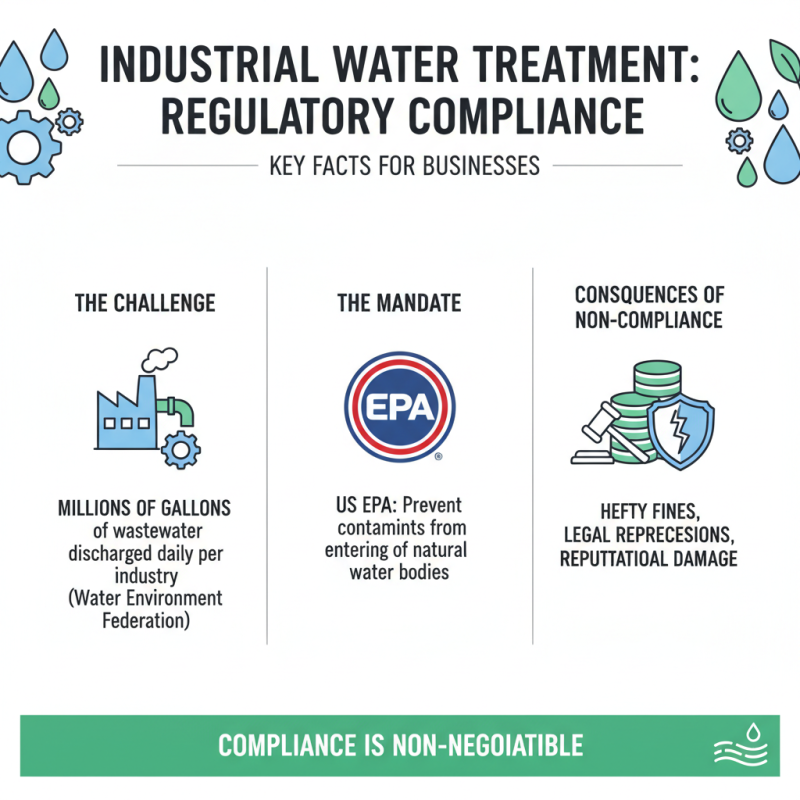
Industrial water treatment is a crucial aspect of maintaining regulatory compliance across various industries. According to a report by the Water Environment Federation, industries can discharge millions of gallons of wastewater daily; hence, adhering to strict environmental regulations is non-negotiable. The U.S. Environmental Protection Agency (EPA) mandates that industrial facilities manage their wastewater to prevent contaminants from entering natural water bodies. Non-compliance can result in hefty fines, legal repercussions, and damage to a company's reputation.
Furthermore, regulatory frameworks such as the Clean Water Act impose specific effluent limitations and require regular monitoring and reporting. A 2021 study by the National Association of Clean Water Agencies highlighted that over 70% of industrial facilities faced compliance issues due to inadequate water treatment processes. This underscores the importance of investing in advanced water treatment technologies that not only ensure compliance but also enhance operational efficiency. Adopting these measures not only avoids legal complications but can also lead to improved relationships with local communities and stakeholders concerned about environmental impacts.
Environmental Impact: How Water Treatment Benefits Local Ecosystems
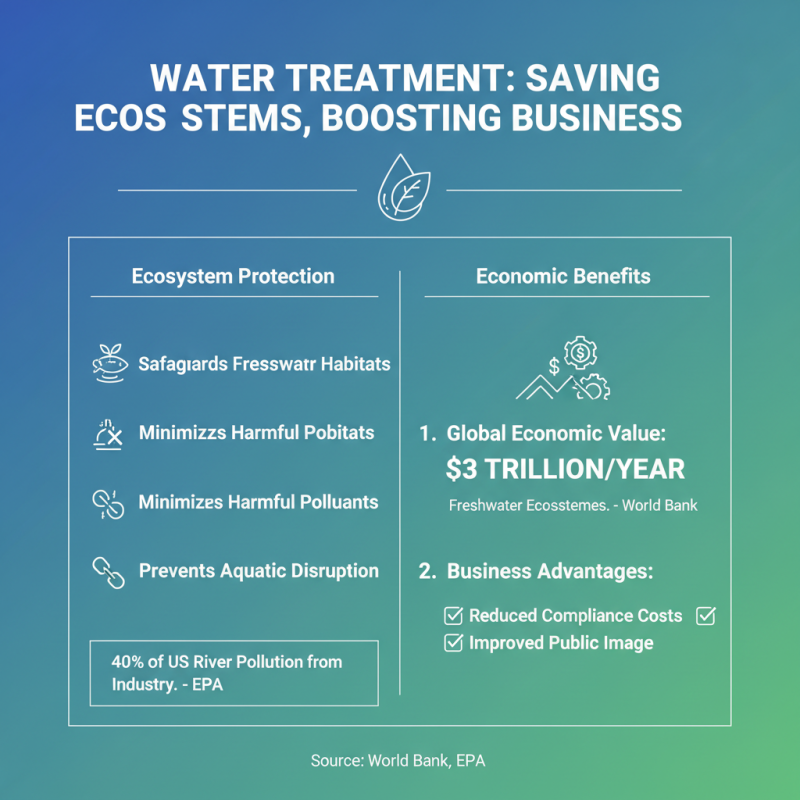
Water treatment plays a pivotal role in safeguarding local ecosystems while providing significant benefits to businesses. According to the World Bank, freshwater ecosystems are vital, as they provide nearly $3 trillion in annual economic benefits globally. Industrial water treatment ensures that wastewater is adequately treated before being returned to natural water bodies, minimizing harmful pollutants that can degrade water quality and disrupt aquatic habitats. For instance, the Environmental Protection Agency (EPA) reports that industrial activities are responsible for around 40% of pollution in U.S. rivers and streams, showcasing the necessity of effective water treatment practices.
Moreover, the implementation of robust water treatment technologies helps maintain biodiversity. A study by the United Nations indicates that healthy water bodies support over 90% of the world's wildlife and provide crucial habitat for various species. By investing in industrial water treatment, businesses not only comply with regulations but also contribute positively to their surrounding environments. Improved water quality enhances local ecosystems, promoting resilience against climate change and preserving the natural resources that communities rely on. As a result, companies can foster sustainable development while ensuring a cleaner environment for future generations.
Cost Savings and Efficiency: The Business Case for Water Treatment Solutions
Industrial water treatment is becoming an essential component of operational efficiency for businesses across various sectors. According to a report by the Global Water Intelligence, industries can save up to 30% on their water costs through effective treatment solutions. This is particularly vital in sectors such as manufacturing and food processing, where water is a significant resource. By investing in water treatment technologies, businesses not only optimize their operational costs but also enhance their sustainability practices, leading to improved public perception and compliance with regulatory standards.
Moreover, the efficiency gained from integrated water treatment systems can lead to increased productivity. A study by the Water Research Foundation highlights that businesses implementing advanced water treatment solutions experience a reduction in downtime caused by water quality issues, which can lead to losses of up to $1 million per day in extreme cases. Enhanced water quality ensures that processes run smoothly, raw materials are utilized effectively, and energy consumption is minimized, thus driving overall productivity. As industries face growing pressure to reduce their environmental impact, the business case for industrial water treatment becomes increasingly compelling, demonstrating clear pathways to both cost savings and operational excellence.