What is Stainless Steel Wire Mesh and Its Applications?
Stainless Steel Wire Mesh is a versatile material widely recognized for its durability and resistance to corrosion. According to market reports, the global stainless steel wire mesh market was valued at approximately $2.4 billion in 2022, with projections indicating significant growth in various industries, including construction, automotive, and food processing. This wire mesh is often utilized for its high strength-to-weight ratio and ability to withstand extreme environments.
The applications of Stainless Steel Wire Mesh are diverse. In industrial sectors, it serves as a filtration medium, ensuring the purity of liquids and gases. In the construction industry, it reinforces concrete and structures, contributing to safety and longevity. Additionally, its aesthetic appeal makes it popular in architecture for facades and decorative purposes. However, selecting the right type and weave for specific applications can be challenging, requiring a comprehensive understanding of material properties and practical usage.
Effective use of Stainless Steel Wire Mesh demands expertise in identifying the correct specifications. This includes mesh size, gauge, and type of stainless steel. While manufacturers provide general guidelines, real-world applications can differ widely. Thus, continuous learning and adaptation to evolving industry standards are critical for maximizing performance and reliability.
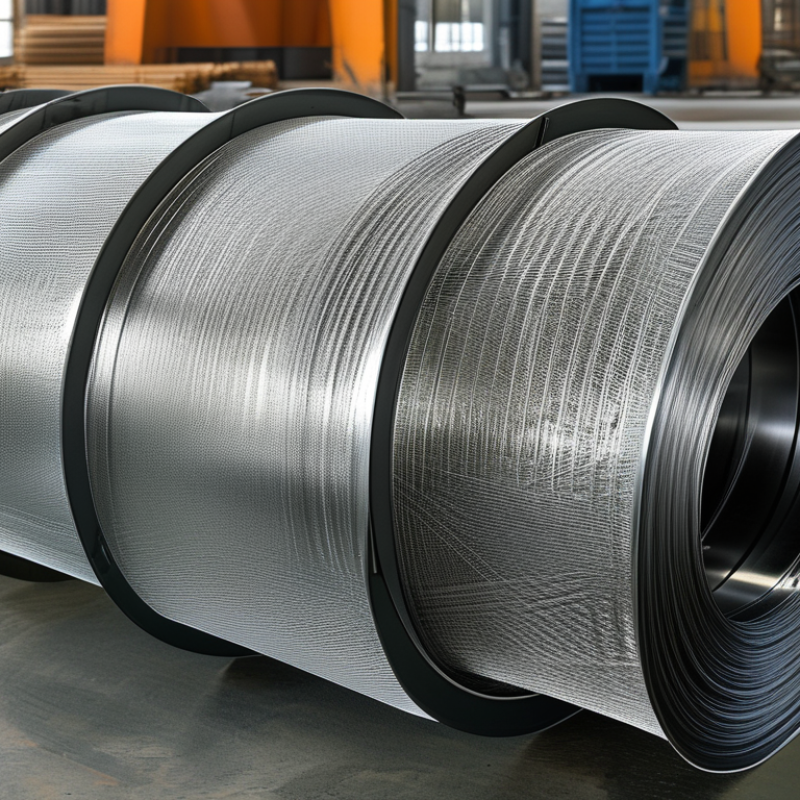
Definition and Composition of Stainless Steel Wire Mesh
Stainless steel wire mesh is a versatile material widely used across industries. It is made from a blend of chromium, nickel, and iron. This combination provides excellent corrosion resistance and durability. The mesh is woven into various patterns, which affect its strength and appearance. Depending on its use, the wire diameter can be adjusted, offering a range of applications.
In construction, stainless steel wire mesh is often used for reinforcement in concrete. Its high tensile strength ensures structural integrity. In the food industry, it is utilized for sieving and filtration due to its non-reactive nature. Moreover, architectural designs often feature stainless steel mesh as a stylish yet functional element in facades and railings.
Tip: When choosing stainless steel wire mesh, consider the specific environment it will be exposed to. Different grades offer varying benefits. Always verify the mesh’s corrosion resistance and strength for your project needs.
Another area of application is in the automotive sector. Mesh screens protect components from debris while allowing airflow. Its lightweight nature is advantageous, contributing to overall vehicle efficiency. However, ensure proper installation to maintain effectiveness.
Tip: Regular maintenance can prolong the life of stainless steel wire mesh. Inspect it for signs of wear or damage frequently. Even minor flaws can affect performance over time.
What is Stainless Steel Wire Mesh and Its Applications? - Definition and Composition of Stainless Steel Wire Mesh
| Property | Description |
| Material | Stainless Steel |
| Composition | Iron, Chromium (10.5% or more), Nickel, and other elements |
| Corrosion Resistance | High resistance to corrosion due to chromium content |
| Applications | Used in filters, baskets, architectural mesh, and safety screens |
| Mesh Sizes | Available in a variety of mesh sizes, typically ranging from 1/2" to 80 mesh |
| Advantages | Durability, cleanability, aesthetic appeal, and strength |
| Types | Woven mesh, welded mesh, and perforated sheets |
| Maintenance | Low maintenance required, can be cleaned with water or mild detergents |
Manufacturing Process of Stainless Steel Wire Mesh
The manufacturing process of stainless steel wire mesh involves several key stages. Initially, high-quality stainless steel is selected based on specific grade requirements, such as 304 or 316. These grades offer corrosion resistance and strength, making them suitable for various applications. Cutting the steel into wire strands is the next step. This process requires precision to ensure uniformity in thickness.
Once the wires are cut, they undergo a weaving stage. Different weaving techniques like plain, twill, or Dutch weave are used depending on the intended application. A report from the Global Wire Mesh Market Analysis indicates a steady growth in demand for wire mesh across construction and filtration sectors, projected to reach $7.2 billion by 2026.
After weaving, the mesh may require post-treatment processes like annealing, to enhance durability and flexibility. These treatments can sometimes lead to imperfections, which necessitate careful quality control. Observations indicate that even slight inconsistencies can affect performance, reminding manufacturers to prioritize thorough inspections. This emphasis on quality ensures that the final product meets strict industry standards for reliability and safety.
Key Properties and Benefits of Stainless Steel Wire Mesh
Stainless steel wire mesh is a versatile material known for its unique properties. It is primarily used in industries like construction, aerospace, and food processing due to its excellent strength and durability. According to a report by Smithers Pira, the global stainless steel mesh market is projected to reach $6.2 billion by 2025, highlighting its growing importance across various applications.
Key properties of stainless steel wire mesh include corrosion resistance, high tensile strength, and heat resistance. These characteristics make it ideal for filtration and as structural support. The mesh is often used in applications requiring cleanliness and adherence to hygiene standards, such as in food production facilities. However, some users may overlook the need for regular cleaning and maintenance to retain its effectiveness.
Tips: Regularly inspect your stainless steel mesh to maintain its structural integrity. Consider the mesh's specifications based on your specific application. Remember, not all grades of stainless steel are suitable for every environment. Understanding your needs can prevent potential issues down the line.
Common Applications of Stainless Steel Wire Mesh
Stainless steel wire mesh is a versatile material with numerous applications across different industries. It is known for its strength, corrosion resistance, and durability. This makes it an ideal choice for various settings, including construction, filtration, and security.
In construction, stainless steel wire mesh is used for reinforcing concrete structures. This application enhances the structural integrity of buildings, bridges, and roads. According to industry reports, the demand for stainless steel mesh in construction is expected to rise by 7% annually. In filtration applications, it serves as a barrier for filtering particles from liquids and gases. This is critical in food processing and water treatment, ensuring product safety and compliance with health regulations.
Tip: Always consider the mesh’s opening size when selecting it for filtration or construction. The right size can greatly affect the performance and efficiency of your project.
Stainless steel wire mesh also plays a crucial role in
security. It is commonly used in fencing for properties, parks, and industrial areas. Its sturdy properties deter unauthorized access and provide a sense of safety. Despite its advantages, improper installation or maintenance can lead to faults. Regular inspections and upkeep are essential for maximizing its lifespan. Choosing the right mesh type is vital for achieving the desired balance between security and aesthetics.
Maintenance and Care for Stainless Steel Wire Mesh
Stainless steel wire mesh requires careful maintenance to ensure its longevity and effectiveness. This material is renowned for its resistance to corrosion and oxidation. In a 2021 report by the American Institute of Steel Construction, it was noted that regular cleaning can extend the life of stainless steel components by up to 50%. Environments prone to dust and grime can significantly affect performance. Therefore, routine inspections and cleaning are essential.
To maintain stainless steel wire mesh, it is imperative to use mild detergents mixed with water. Rinse with clean water to avoid residue buildup. Avoid abrasive pads, as they can scratch the surface and create weak spots. Over time, even minor scratches can lead to larger issues. A professional maintenance schedule, including periodic deep cleaning, can enhance durability. Insufficient care might result in reduced structural integrity, which is critical for many applications.
Despite its durability, stainless steel wire mesh can suffer from pitting corrosion in certain environments, particularly those with high chloride content. Studies show that pitting can occur even in high-grade stainless steel under stress. Thus, staying informed about the specific conditions surrounding the mesh is crucial. Awareness of potential weaknesses allows for proactive measures, ultimately leading to better performance and safety.