Top 10 Tips for Choosing the Best Electric Water Heater?
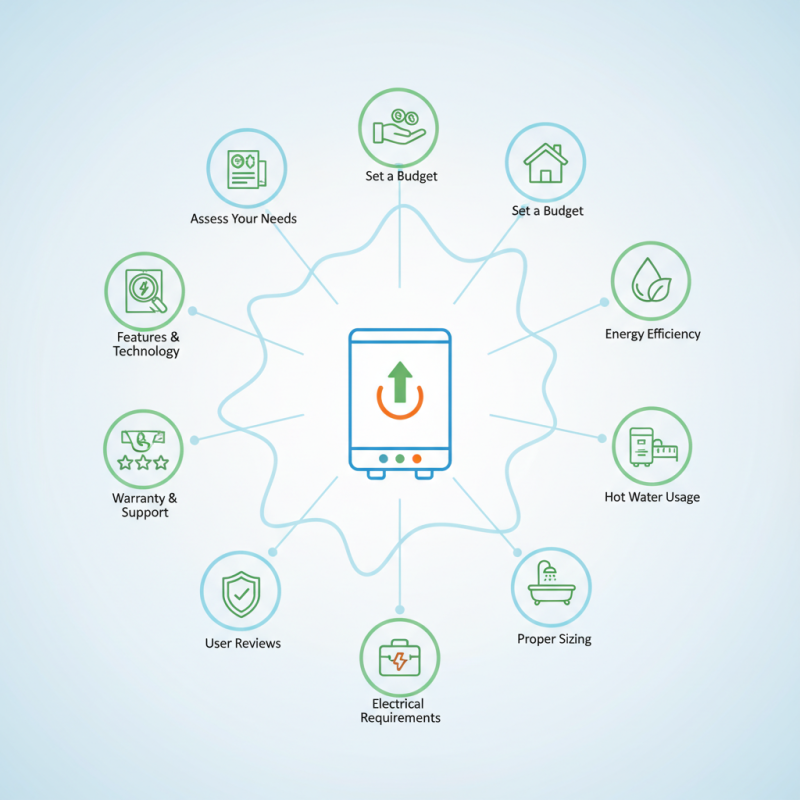
Choosing the right Electric Water Heater for your home can seem daunting. With numerous options available, how can you find the best one? Understanding your needs is essential. An Electric Water Heater must fit your lifestyle, budget, and space constraints.
Everyone's requirements differ. For some, high efficiency is crucial. Others may prioritize cost-effectiveness. Knowing your hot water usage is vital. You might end up with an underwhelming heater if you don’t assess your needs accurately.
This guide provides valuable tips to assist you. We’ll explore factors like size, efficiency ratings, and installation considerations. Choosing the right Electric Water Heater is crucial for comfort and energy savings. So, let's dive in and uncover the best choices together.
Factors to Consider When Selecting an Electric Water Heater
When selecting an electric water heater, several factors play a crucial role in ensuring you make a well-informed decision. Begin by considering the capacity you need. A household with more members requires a unit that can supply larger amounts of hot water. Calculate your daily hot water usage for accurate sizing.
Energy efficiency is another vital consideration. Look for models with high Energy Factor (EF) ratings. These units save money in the long run through reduced energy consumption. Keep in mind that installation location can affect efficiency. Ensure proper insulation in the surrounding area to minimize heat loss.
Additionally, think about recovery rate. This refers to how quickly the heater can replenish hot water. A higher recovery rate is beneficial for larger families. You might find that a lower-priced model has a slow recovery rate, which could lead to frustration during peak usage times. Don't overlook warranty options as well; a longer warranty often indicates reliability. Your choice reflects your unique needs, so analyze each aspect carefully before committing.
Understanding the Different Types of Electric Water Heaters Available
When selecting an electric water heater, understanding the types available is crucial. There are three primary types: tank, tankless, and heat pump water heaters. Each type has unique features that can influence efficiency and performance. According to the U.S. Department of Energy, tank water heaters typically hold 20 to 80 gallons of water. They provide a steady supply but often waste energy when keeping water heated.
Tankless water heaters are gaining popularity. These units heat water on demand, potentially saving energy. They deliver hot water instantaneously, which is great for larger homes. However, they may struggle with multiple simultaneous demands. A study by the Pacific Northwest National Laboratory shows that tankless models can save 24% to 34% on energy costs, depending on usage patterns.
Heat pump water heaters work differently. They use electricity to move heat rather than create it. This makes them more efficient, as they can reduce energy use by up to 60%. However, they require more space and may not perform optimally in very cold climates. Each type has pros and cons; analyzing your home’s needs is essential to make the best choice.
Key Features to Look for in an Electric Water Heater
When choosing an electric water heater, certain key features stand out. The energy efficiency of the unit is crucial. Look for heaters with a high Energy Factor (EF) rating. This indicates how effectively the heater uses energy. A higher EF means lower utility bills over time. It's a vital point to reflect on, as initial costs might be attractive, but long-term savings are essential.
Another essential aspect is the tank size. Consider your household's needs. A smaller tank may suffice for one or two people. Larger families typically require a bigger tank. You could find yourself frustrated if the hot water runs out quickly. Recovery rate is another detail to ponder. This is how fast the heater replenishes hot water. A slow recovery might not meet peak demand hours, leading to disappointment during morning routines.
Don't overlook installation options and space requirements. Some heaters are compact, while others need more room. Also, check for the warranty and support provided. A good warranty reflects confidence in the product. It's helpful to think about possible issues that might arise later. Understanding these features can empower you to make an informed decision for your household.
Evaluating Energy Efficiency Ratings for Cost-Effective Options
When selecting an electric water heater, energy efficiency is crucial. Understanding energy efficiency ratings can save you money and promote sustainability. The U.S. Department of Energy states that an Energy Star-rated electric water heater can use 10% to 50% less energy than standard models. This significant difference translates into noticeable savings on utility bills over time.
Look for models that feature the Energy Factor (EF) rating. The higher the EF, the more efficient the unit. For instance, a heater with an EF of 0.95 will produce more hot water per unit of energy consumed than one with an EF of 0.70. This directly impacts your monthly costs and environmental footprint.
Consider the heater's capacity relative to your household size. A family of four may require a 50-gallon tank, while a couple might be fine with a 30-gallon model. Choosing the right size ensures you aren’t paying for energy you don’t use. Oversizing can lead to energy waste, while undersizing could result in inadequate hot water supply. Balancing efficiency with your specific needs is key to an informed purchase decision.
Top 10 Tips for Choosing the Best Electric Water Heater
| Tip | Description | Energy Efficiency Rating | Estimated Cost Savings ($/year) |
| 1. Size Matters | Choose the right size based on household needs. | N/A | N/A |
| 2. Check Recovery Rate | Look for a quick recovery rate to meet demand. | Energy Factor (EF) | $50 |
| 3. Look for Energy Star Ratings | Choose models that are certified for energy efficiency. | Energy Star Certified | $75 |
| 4. Assess Type of Heater | Decide between tankless, traditional, or hybrid models. | Various | $30 - $100 |
| 5. Review Warranty Options | Longer warranties often indicate better quality. | N/A | N/A |
| 6. Analyze Installation Costs | Consider costs associated with the installation process. | N/A | Varies |
| 7. Investigate Maintenance Requirements | Choose models with lower maintenance needs. | N/A | N/A |
| 8. Compare Efficiency Metrics | Review first-hour rating and recovery efficiency. | N/A | N/A |
| 9. Check for Rebates | Look for utility or government rebates. | N/A | Varies |
| 10. Read Reviews | Research customer feedback for performance insights. | N/A | N/A |
Installation and Maintenance Tips for Your Electric Water Heater
When selecting and installing an electric water heater, proper setup and maintenance play critical roles in efficiency and longevity. According to the U.S. Department of Energy, water heating accounts for nearly 18% of a home's energy use. Thus, thoughtful installation can lead to significant energy savings.
Inspect the area for proper ventilation. Poor airflow can lead to overheating and inefficiency. It's vital to follow manufacturer recommendations for installation locations. This ensures better performance and safety. Regularly check for leaks and corrosion, which affect performance. The U.S. Environmental Protection Agency suggests flushing your water heater every six months to remove sediment buildup. This simple maintenance task can enhance heater efficiency by up to 20%.
Consider your water heater's energy setting. Adjusting the thermostat to 120°F not only provides adequate hot water but also saves energy. Many users overlook this detail. With electric water heaters, even small tweaks can lead to cost savings over time. A 10-degree decrease can reduce energy bills by about 3-5%. Furthermore, always keep the area around the heater clear of clutter and flammable materials for safety reasons.
Incorporate these tips and remain diligent about your electric water heater. Regular attention to these aspects can result in a more efficient system and extend its life.