
Top 10 Types of Steel Parking Bollards for Buyers
Choosing Steel Parking Bollards is not a simple matter of picking the thickest post. Buyers need to match protection, appearance, installation, and maintenance to the site. A row beside a loading bay faces different demands from a neat line outside a storefront. Even small details matter: bollard spacing, base plates, surface finish, and how vehicles move around corners.
A practical engineering principle captures the choice: “The right bollard is the one designed for the site’s real risks, not just its appearance.” This is an editorial summary, not a verified quotation from a named expert. A named specialist’s quote should be confirmed before publication; inventing one would weaken the advice. That may be less polished, but it is more reliable.
This guide compares ten common steel bollard types, from fixed and removable models to decorative and heavy-duty designs. It considers material and construction, mounting options, visibility, and upkeep. Buyers should also check manufacturer specifications and installation guidance before choosing a model. Paint can chip. Anchors can loosen. Steel is strong, but it is not magic. A careful comparison helps narrow the options and spot trade-offs early—before a post is ordered, installed, and found to be wrong for the job.
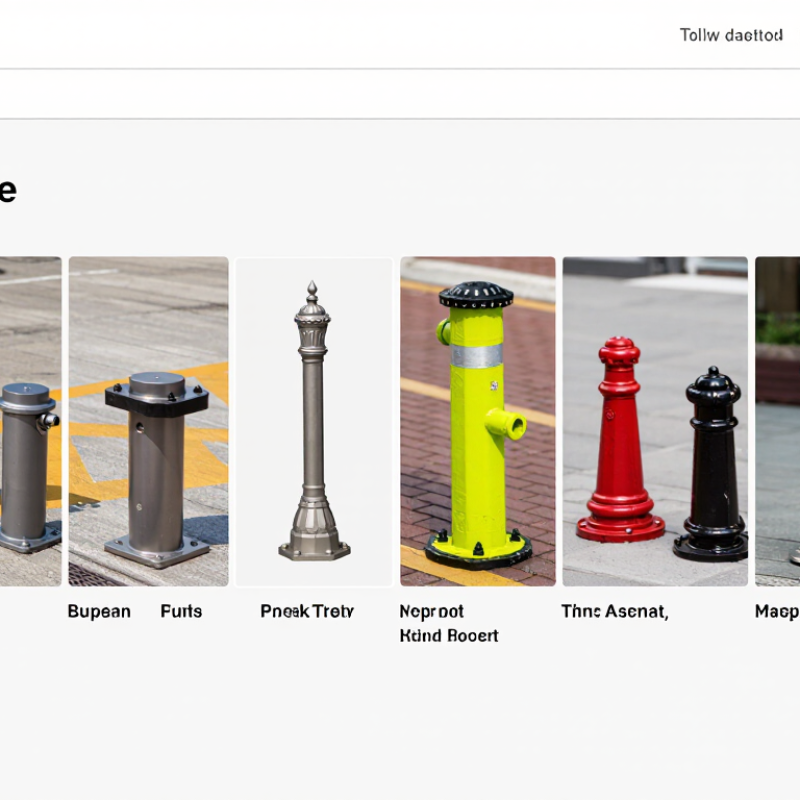
Steel Parking Bollards: Purpose, Construction, and Basic Features
Steel parking bollards help define vehicle routes, protect entrances, and keep cars clear of pedestrian areas. In a busy lot, a row of steel posts can guide drivers around a loading bay or shield a doorway from a slow-moving vehicle. They are not magic. Their performance depends on the bollard type, spacing, and installation, so appearance alone cannot show how much impact a unit can withstand. A common oversight is choosing posts before checking the site’s turning paths and drainage.
Construction usually starts with a steel tube or formed steel body, selected for the required height and diameter. Fixed bollards are often anchored in concrete below ground, while removable styles may use a ground sleeve and locking cap. Surface-mounted models attach to a prepared concrete slab with mechanical or chemical anchors; the slab must suit the expected loads. Coatings such as galvanizing or outdoor-grade paint help slow corrosion, especially near wet pavement or road salt. Check welds, caps, anchor details, and finish quality. Small defects matter. Some sites need visibility bands, but reflective material can wear or become dirty, so it needs inspection. There is no single best construction for every parking area.
How Steel Bollards Are Classified by Installation and Operation
Steel parking bollards are often classified by installation method and operating style. These categories help buyers compare products that may look similar but serve different site needs. Fixed bollards are set into concrete, often with a buried base that resists impact and daily movement. They suit permanent boundaries around sidewalks, building entrances, or parking bays. Surface-mounted models use anchor bolts instead. They can be practical where excavation is difficult, though the pavement and anchors must be suitable for the expected loads.
Removable bollards fit into ground sockets and can be lifted out when occasional vehicle access is needed. A locking cap helps keep the socket clear when the post is removed. Retractable bollards lower into a below-ground housing, either by manual operation or powered controls. Manual units avoid electrical connections, but staff must raise and secure them each time. Automatic units can operate from a control station or access system. They need suitable drainage, power, and routine inspection. Small details matter.
The right type depends on how often access changes, available ground depth, and who will operate the bollard. For example, a narrow service lane with frequent deliveries may need a different arrangement than a quiet pedestrian edge. Check the foundation, surface condition, and clearance before choosing. I would not treat these classifications as perfectly separate: some products combine mounting and operating features, and site conditions can change the best fit. That deserves a second look.
Top 10 Types of Steel Parking Bollards for Buyers
How steel bollards are classified by installation and operation
This chart groups ten representative bollard types by operation: fixed, removable or folding, manual retractable, and powered retractable. The values count the examples listed in this classification; they do not represent market share or sales. Installation details vary by product and site.
Fixed and Surface-Mounted Bollards for Permanent Protection
Steel parking bollards serve different needs, but fixed and surface-mounted models are common choices for permanent protection. Fixed bollards are set into the ground, usually in a concrete footing. Their buried section and foundation depth affect stability, so site conditions matter. A narrow sidewalk, buried utilities, or weak soil can change what installation is practical. Fixed units leave a clean-looking base. They also require more excavation and disruption.
Surface-mounted bollards attach to an existing concrete slab with a base plate and anchors. Installation is often quicker, and damaged units may be easier to replace. The slab must be thick and sound enough to support the anchoring system; cracked or thin concrete needs careful assessment. A base plate can also catch debris or reduce clear walking space.
Small detail, big difference.
Buyers should compare material thickness, finish, spacing, and any tested impact rating—not appearance alone. For a busy parking entrance, ask an installer to check the pavement and vehicle approach before choosing. Surface mounting is not automatically as resistant as a deeply embedded post. That trade-off deserves a closer look.
Removable, Retractable, and Fold-Down Bollards for Flexible Access
Steel parking bollards help separate vehicle routes from pedestrian areas without permanently blocking access. For spaces used by delivery vehicles in the morning and pedestrians later, movable designs can offer practical flexibility. Removable bollards lift from ground sleeves, leaving an open route when stored elsewhere. The sleeves need stable installation and good drainage to limit standing water. Retractable bollards lower into underground housings, making frequent access changes easier. However, grit and neglected maintenance can affect their movement. Fold-down bollards pivot toward the pavement and lock upright. They are simple to inspect, though the lowered post still takes up space and may collect dirt. In practice, the neatest-looking option is not always the least troublesome.
Tips: Match the mechanism to how often vehicles pass. Check vehicle clearance, paving condition, sleeve depth, and lock access before installation. Have the substrate assessed by a qualified installer, especially where vehicles may contact the bollards. Test the opening with the actual delivery vehicle. A post that moves easily is not automatically easy to manage. The best choice depends on the site and its maintenance routine.
Top 10 Types of Steel Parking Bollards for Buyers - Removable, Retractable, and Fold-Down Bollards for Flexible Access
| Type | How It Works | Typical Configuration | Access Flexibility | Common Applications | Buyer Considerations |
|---|---|---|---|---|---|
| 1. Socket-Mounted Removable Bollard | The post lifts out of a ground-fixed receiver socket, usually after an internal lock or retaining pin is released. | Steel post with an in-ground socket; a removable cap can cover the socket when the post is out. | Suitable for occasional access changes. The post must be lifted and stored separately. | Private driveways, service entrances, and parking bays that need periodic vehicle access. | Check socket depth, drainage, cap fit, lifting weight, and whether the surface can be excavated. |
| 2. Lockable Removable Bollard | A key-operated lock or locking mechanism secures the post in its ground receiver; authorized users remove it when access is needed. | Steel post and socket with a keyed lock, often supplied with a protective socket cover. | Controlled access for designated key holders; manual removal is required. | Reserved parking, gated paths, and access points managed by property staff. | Confirm the lock type, key-management plan, corrosion protection, and replacement-key availability. |
| 3. Manual Telescopic Retractable Bollard | The post slides down into an underground housing and is raised by hand when access restriction is required. | Steel upper post, ground-level housing, and a locking point; the surface is generally clear when lowered. | Provides a clear opening without storing a loose post, but requires manual operation. | Residential entrances, pedestrian areas with occasional deliveries, and shared-access routes. | Check housing depth, water management, operating effort, and whether the lowered unit suits the expected vehicle traffic. |
| 4. Gas-Assisted Retractable Bollard | A gas strut helps raise the post from its in-ground housing; the user lowers and secures it manually. | Retractable steel post with an assisted-lift mechanism and a ground-level housing. | Quicker and easier to raise than a basic manual unit, while still requiring a person to operate it. | Frequent-use driveways, residential parking areas, and sites where powered access control is unnecessary. | Ask about the mechanism’s service requirements, operating temperature range, and replacement-part availability. |
| 5. Hydraulic Automatic Bollard | A hydraulic system raises and lowers the bollard, typically through a control panel, access reader, or authorized command. | Steel post and below-ground housing with hydraulic power and control components. | Supports frequent, remotely controlled access; operation depends on power and system maintenance. | Managed entrances, commercial sites, and locations with regular vehicle movements. | Plan for power supply, drainage, maintenance access, emergency operation, and compatibility with site controls. |
| 6. Electromechanical Automatic Bollard | An electric motor and mechanical drive raise or lower the post after an authorized control signal. | Steel bollard with an underground drive unit and electrical controls; configurations vary by manufacturer. | Allows controlled, repeatable operation without manual lifting. | Office entrances, managed parking facilities, and access lanes with frequent opening cycles. | Compare cycle requirements, electrical protection, control-system integration, maintenance access, and backup procedures. |
| 7. Standard Fold-Down Bollard | The post pivots on a ground-level hinge and lies flat when access is required; it is raised by hand afterward. | Steel post with a hinged base plate fixed to a suitable hard surface. | Quick manual operation with no post to carry or store separately. | Driveways, parking spaces, and low-speed access points with occasional vehicle entry. | Check the folded profile, hinge clearance, fixing substrate, and whether the lowered post could obstruct pedestrians or vehicles. |
| 8. Lockable Fold-Down Bollard | A hinged post folds down for access and locks upright to restrict unauthorized lowering. | Steel post, surface-mounted hinge plate, and an integrated or separate locking point. | Offers quick access for key holders while keeping the bollard attached to the surface. | Reserved bays, private driveways, and access points where a visible manual barrier is preferred. | Review lock position, key control, hinge protection, anchor suitability, and resistance to tampering. |
| 9. Surface-Mounted Removable Bollard | The post detaches from a fixed surface plate or mounting socket, avoiding the need for a deep in-ground receiver. | Steel post with a surface-fixed base assembly; exact removal and locking methods vary. | Can be removed when needed, with less excavation than many in-ground options. | Existing paved areas, sites with limited excavation options, and temporary access-control layouts. | Check the slab condition, anchor type, trip profile, drainage around the base, and the manufacturer’s installation requirements. |
| 10. Chain-Linked Removable Bollard Set | Multiple steel posts are connected by a removable chain; one or more posts can be taken out to create an opening. | Steel posts with chain eyes and compatible chain; posts may use sockets or surface-mounted bases. | Defines a wider boundary while allowing a section to be opened when required. | Car parks, pedestrian zones, forecourts, and low-speed areas needing a visible boundary. | Confirm chain length, post spacing, storage for removed posts or chain, and that the layout does not create a pedestrian hazard. |
Selection note: Dimensions, materials, finishes, operating methods, and security performance vary by product. Confirm site measurements, installation conditions, vehicle access needs, and applicable local requirements before purchase. Bollards intended to control access are not automatically certified vehicle-impact barriers.
How Buyers Can Match Bollard Types to Site Requirements
Map vehicle paths, doorways, loading zones, and pedestrian routes during a busy hour. Fixed, embedded steel bollards suit boundaries that need constant protection and rarely require vehicle access. Removable models work at occasional access points, but staff need a secure place to store each post. That detail gets missed. Retractable bollards keep lanes clear when lowered; check drainage, operating effort, and maintenance access before choosing them. Convenience has a cost.
Installation conditions narrow the options. Embedded posts need suitable ground depth and underground services checks. Surface-mounted bollards can suit existing concrete, but the slab and anchors must handle expected loads. A neat-looking base is not proof of adequate strength. Ask a qualified installer to assess the substrate and vehicle exposure. For frequent impacts or sensitive entrances, confirm the required performance with a structural professional.
Consider weather and daily use, too. Coastal air, road salt, and standing water can shorten the life of a poor finish. Compare protective coatings, steel thickness, and inspection needs, rather than relying on appearance alone. Add reflective bands where drivers need clear visibility at night. Leave practical spacing for people using wheelchairs, carts, or strollers. No single type fits every site; even a well-chosen bollard can become an obstacle if placement is careless.
Article Source:
Ready to talk about water treatment?
Contact us
Please complete this form and we will be in touch