Top Botanical Extracts for Global Sourcing Needs?
The demand for Botanical Extracts continues to soar in various industries, from cosmetics to food and beverages. According to a recent market report, the global botanical extract market is projected to reach over $30 billion by 2026, driven by a growing awareness of natural products. Botanical extracts serve as essential ingredients, offering a range of benefits such as antioxidant properties and anti-inflammatory effects. These extracts are derived from plants and reflect their unique characteristics, enhancing product efficacy.
Yet, sourcing high-quality botanical extracts remains a challenge. Companies must navigate complexities related to supplier reliability and regulatory compliance. A lack of standardization can lead to inconsistencies in product quality. Only a few suppliers adhere to stringent quality control measures, making it vital for brands to conduct thorough research. The integration of advanced technologies can improve transparency in sourcing, but there is still much work to be done to ensure every extract meets industry standards.
As the market evolves, companies focusing on sustainability and ethical sourcing practices are likely to gain a competitive edge. Consumers are increasingly prioritizing products that are not only effective but also environmentally friendly. Thus, understanding the intricacies of botanical extracts can empower businesses to make informed decisions while catering to this growing market demand.
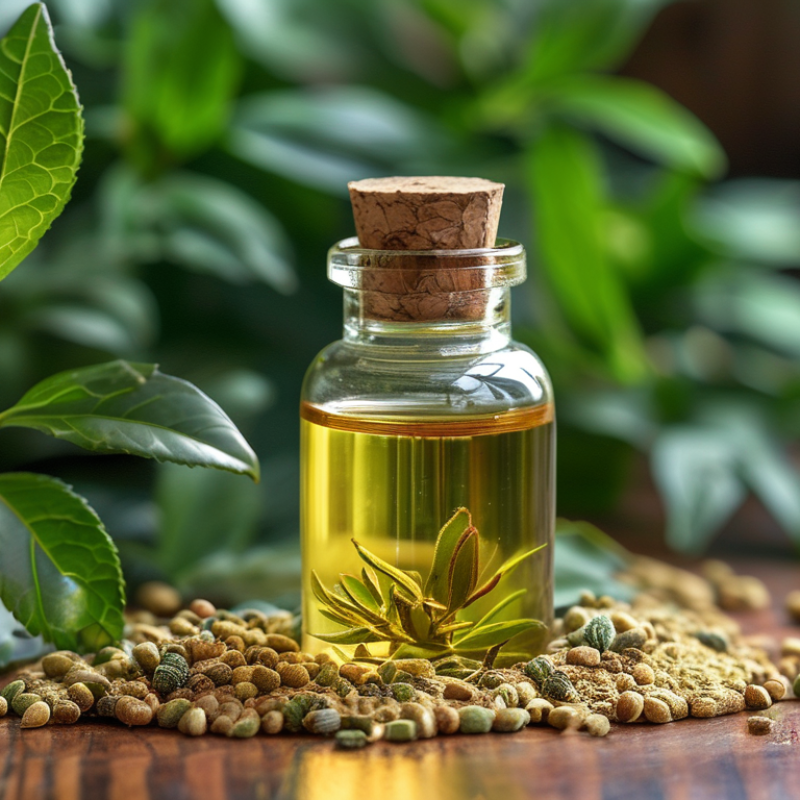
Top Botanical Extracts and Their Global Market Demand Trends
The demand for botanical extracts is rising globally. These extracts are widely used in pharmaceuticals, cosmetics, and food industries. They offer natural alternatives to synthetic ingredients. For example, curcumin from turmeric is gaining attention for its health benefits. It may support inflammation reduction and cognitive function.
Market trends indicate a shift towards sustainable sourcing. Consumers prefer products that are eco-friendly and ethically sourced. This creates opportunities for suppliers to connect with brands that value transparency. However, finding reliable sources can be challenging. Many small producers may lack certification and scalability.
Regulatory compliance also poses difficulties. Different countries have varying standards for botanical extracts. Ensuring product quality can be complex. Companies must invest in research to navigate these regulations effectively. Understanding the global market landscape is essential for successful sourcing strategies.
Key Factors Driving Global Sourcing of Botanical Extracts Today
Global sourcing of botanical extracts is gaining momentum. Several key factors drive this trend. The growing consumer demand for natural products is one primary influence. In 2022, the global botanical extracts market reached approximately $25 billion and is projected to grow at a CAGR of 8% through 2030. This data highlights the increasing appetite for plant-based solutions in various industries.
Another factor is the rising awareness of sustainability. Consumers are becoming more conscious of their choices. They are seeking ethical sourcing practices. According to a report by the World Economic Forum, about 70% of consumers are willing to pay more for sustainable products. This shift encourages companies to prioritize eco-friendly botanical extract sourcing.
However, challenges persist. Quality control remains a critical concern. Variability in plant sources can affect consistency. Many companies struggle to ensure reliable supply chains. Also, the lack of standardized regulations complicates sourcing efforts. All these elements create a complex landscape for decision-makers in the industry. They must balance consumer expectations with reliability and sustainability challenges.
Top Botanical Extracts for Global Sourcing Needs
| Botanical Extract | Source Region | Primary Uses | Market Demand (2023) | Key Benefits |
| Turmeric Extract | India | Nutraceuticals, Cosmeceuticals | High | Anti-inflammatory, Antioxidant |
| Ginger Root Extract | China | Nutraceuticals, Culinary | Moderate | Anti-nausea, Digestive Aid |
| Green Tea Extract | Japan | Dietary Supplements, Skin Care | High | Antioxidant, Weight Loss |
| Aloe Vera Extract | Mexico | Cosmetics, Dietary Products | High | Moisturizing, Healing Properties |
| Echinacea Extract | United States | Herbal Supplements | Moderate | Immune Support, Anti-inflammatory |
Comparative Analysis of Popular Botanical Extracts by Region
Exploring the global diversity of botanical extracts reveals significant regional differences. In Asia, for instance, extracts like ginseng and green tea are prominent. These botanicals are renowned for their health benefits and adaptogenic properties. They suit various consumer demands, especially in nutrition and skincare sectors.
In contrast, South America offers unique botanicals like Amazonian acai and yerba mate. Their rich antioxidant profiles and cultural significance attract attention. These extracts serve as natural additives in beverages and dietary supplements, enhancing global appeal.
Yet, sourcing these botanicals isn’t without challenges. Geographic constraints can complicate procurement. Sustainability and ethical harvesting raise concerns. There’s an ongoing need for transparent supply chains. Reflecting on these issues is vital for businesses seeking authentic and socially responsible products.
Sustainability Practices in the Sourcing of Botanical Extracts
Sourcing botanical extracts requires a deep commitment to sustainability. Practices that prioritize environmental health are essential. Many producers now focus on harvesting plants responsibly. This means using methods that do not deplete natural resources.
Local communities often play a crucial role in this process. Engaging these communities ensures that they benefit from the harvest. Fair wages and job security can improve lives. However, challenges arise when balancing profit and ethical practices. Some companies may prioritize cost over sustainability. This raises questions about the real impacts of sourcing decisions.
Transparency is vital in this industry. It builds trust between consumers and suppliers. By sharing sourcing practices, companies can demonstrate their commitment to sustainability. Yet, not all suppliers are forthcoming. This gap can lead to skepticism among consumers. Ensuring accountability in sourcing is an ongoing challenge, but essential for the planet’s future.
Future Projections for Botanical Extracts Market Growth and Innovation
The botanical extracts market is poised for significant growth. According to a recent market analysis, it is expected to reach $50 billion by 2026, with a CAGR of 9.2%. This growth reflects rising consumer interest in natural ingredients across various industries, including cosmetics, food and beverages, and pharmaceuticals.
Innovation drives this sector. Emerging technologies like microencapsulation and biotechnology enhance the efficacy of these extracts. For example, turmeric and ginger extracts are not only popular but are being developed to maximize their health benefits. However, challenges remain, such as supply chain transparency and sustainability. The need for authentic sourcing is ever more critical.
Tips: Focus on suppliers that prioritize quality and sustainability. Engage with the extracts that align with consumer trends. Explore new extraction methods that could improve product efficiency. The market's future is bright, but attention to responsible sourcing will define its success.