Top 10 Innovative Water Technologies Transforming Our Future
In an era where water scarcity is becoming increasingly concerning, innovative water technologies are stepping up to address these critical challenges and transform our future. As Dr. Emily Carter, a leading expert in sustainable water solutions, aptly states, "The future of water sustainability lies in our ability to harness technology to manage this precious resource more efficiently." These advancements not only promise to improve water access and quality but also revolutionize the way we interact with this vital resource.
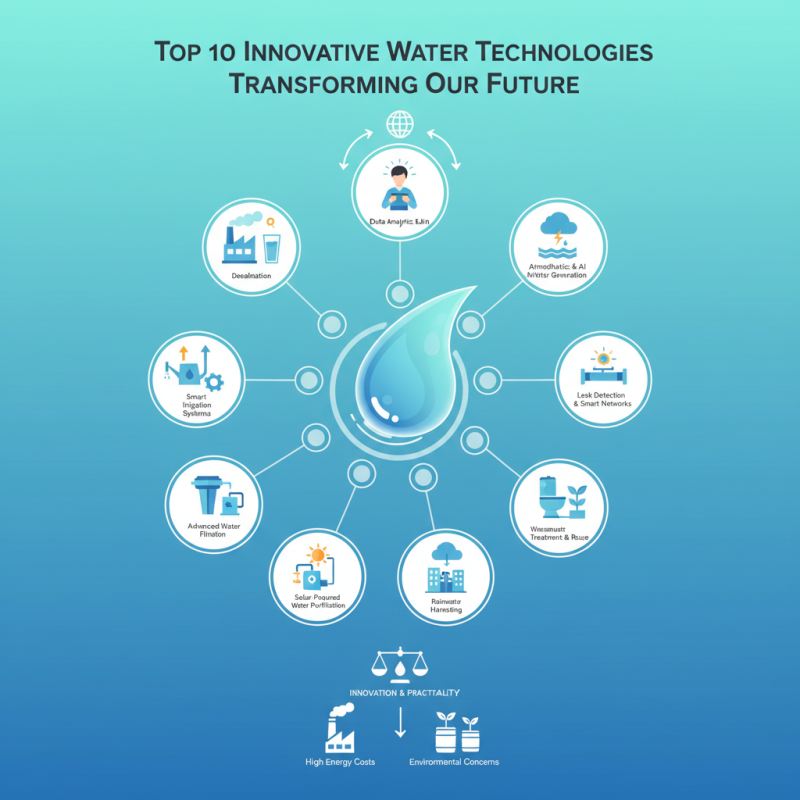
The integration of cutting-edge water technologies, including smart irrigation systems, advanced filtration methods, and water recycling processes, has the potential to enhance conservation efforts and ensure a sustainable supply for generations to come. By leveraging modern engineering and research, we can implement solutions that are both practical and adaptable to varying environmental conditions worldwide. As we explore the top ten innovative water technologies, it is essential to recognize their importance in paving the way for a more sustainable and resilient future.
Emerging Trends in Water Technology for Sustainable Solutions
Emerging trends in water technology are paving the way for sustainable solutions that address the critical challenges posed by water scarcity and contamination. One significant trend is the advancement of smart water management systems, which utilize IoT devices and data analytics to monitor water usage in real-time. These technologies enable municipalities to detect leaks promptly, manage distribution more efficiently, and promote conservation efforts among consumers. By enhancing efficiency, communities can significantly reduce waste and optimize the use of their water resources.
Another notable trend is the rise of decentralized water treatment systems. These systems empower local communities to manage their water supply and quality, reducing reliance on centralized infrastructure that can be vulnerable to natural disasters and other disruptions. With innovations such as membrane filtration and solar disinfection, even remote areas can access clean water without extensive investment in large-scale facilities. As these technologies continue to evolve, they not only provide immediate benefits to underserved populations but also support broader efforts towards environmental sustainability and resilience in the face of climate change.
Advanced Filtration Methods Redefining Water Purification Standards
In recent years, advanced filtration methods have emerged as game-changers in the realm of water purification, with innovative technologies redefining the standards of water treatment. Traditional methods often fall short in addressing contemporary challenges such as contaminants found in both urban and rural water supplies. New filtration techniques, utilizing nanotechnology and membrane filtration, promise to provide cleaner and safer drinking water by efficiently removing micropollutants, bacteria, and even viruses that threaten public health.
One standout technology involves the use of bio-inspired membranes that replicate natural processes to filter impurities at an unprecedented scale. These membranes not only enhance the efficiency of water treatment facilities but also reduce energy consumption compared to conventional systems. Additionally, advancements in electrochemical oxidation and advanced oxidation processes are enabling the breakdown of complex organic contaminants that are resistant to standard treatments. By investing in these cutting-edge technologies, communities can ensure a more sustainable and reliable water supply, paving the way for a future where purified water is both accessible and safe for everyone.
Top 10 Innovative Water Technologies Transforming Our Future
This chart illustrates the advancements in water purification methods and their effectiveness in reducing contaminants over the past decade. Each technology is ranked by its efficiency in purifying water, with innovative filtration methods making significant strides in safety and sustainability.
Smart Water Management Systems Enhancing Efficiency and Conservation
As water scarcity becomes an increasingly pressing global concern, smart water management systems are emerging as a crucial solution. These innovative technologies leverage advanced data analytics, IoT (Internet of Things), and AI to optimize water distribution and enhance conservation efforts. By integrating sensors and smart meters, these systems can monitor water usage in real time, allowing municipalities and businesses to detect leaks, reduce wastage, and manage resources more effectively. With the ability to forecast water demand based on historical consumption patterns, they enable proactive measures that can significantly reduce the risk of shortages.
Moreover, smart water management systems facilitate better decision-making through comprehensive data collection and analysis. By utilizing cloud-based platforms, stakeholders can access valuable insights into water quality, supply levels, and usage trends. This transparency not only promotes accountability but also empowers consumers to make informed choices regarding their water consumption. Additionally, these technologies support the implementation of sustainable practices such as rainwater harvesting and greywater recycling, contributing to a more resilient water infrastructure. As communities embrace these innovative solutions, we move closer to ensuring a sustainable and secure water future.
Innovative Desalination Techniques Addressing Global Water Scarcity
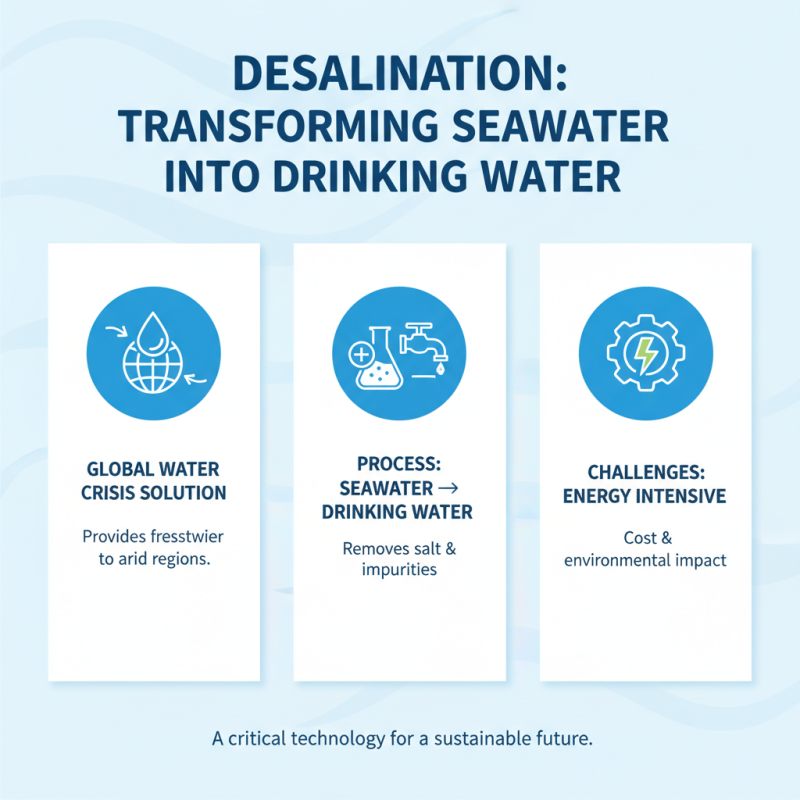
As global water scarcity continues to threaten communities and ecosystems, innovative desalination techniques have surfaced as a promising solution. Traditional desalination methods, while effective, often come with high energy requirements and environmental concerns. However, new advancements in reverse osmosis and solar-powered desalination are now paving the way toward more sustainable practices. According to a report from the International Desalination Association, the total capacity of desalination plants worldwide has surpassed 100 million cubic meters per day, indicating a growing reliance on these technologies to augment freshwater supplies.
It is crucial for communities considering the implementation of these technologies to evaluate their specific water needs and environmental impacts. Effective planning can ensure that the benefits of desalination outweigh potential drawbacks. For instance, integrating energy-efficient systems can drastically reduce operational costs and minimize the carbon footprint. As highlighted in the World Bank’s report on water technologies, enhancing public-private partnerships can drive research and development, resulting in more cost-effective and sustainable desalination methods.
Tip: When exploring desalination options, consider pilot projects that allow communities to assess the performance and integration of these technologies in real-world conditions. Additionally, promoting awareness about the benefits of desalinated water can foster community support and drive policy changes that prioritize sustainable water management practices.
Water Recycling Innovations Supporting Circular Economy Practices
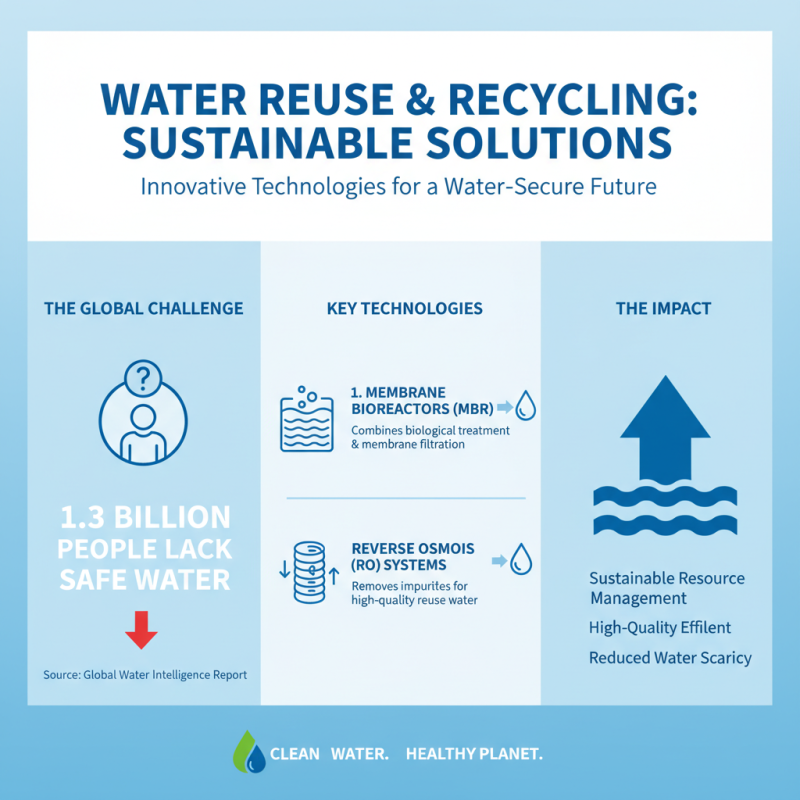
The growing emphasis on sustainable practices has led to significant innovations in water recycling technologies, which play a crucial role in supporting circular economy initiatives. By reclaiming and repurposing wastewater, these technologies help reduce the strain on freshwater supplies while minimizing environmental impact. Advanced filtration systems, for example, can purify wastewater to such an extent that it can be safely reused for irrigation, industrial processes, or even potable water. This not only conserves water resources but also lowers the energy and costs associated with traditional water treatment.
Furthermore, the integration of smart technologies in water recycling is enhancing efficiency and effectiveness. Real-time monitoring and data analytics allow for better management of water resources, ensuring that recycled water meets safety standards and can be utilized effectively. Decentralized water recycling systems are also gaining traction, making it feasible for communities and businesses to implement their own water reuse strategies.
By adopting these cutting-edge solutions, society moves closer to a circular economy, where water is continuously cycled, reducing waste and promoting sustainability for future generations.
Related Posts
-
2025 Top Water Equipment Trends: Innovations Driving a $200 Billion Market
-
Why Industrial Water Treatment is Essential for Sustainable Practices
-
What is Industrial Water Treatment and Why it Matters for Your Business
-
How to Use Chlorine Dioxide for Effective Water Treatment Solutions
-
2025 How to Choose the Best Water Treatment Chemicals for Your Needs
-
What is Water Analysis? Importance, Methods, and Key Benefits Explained
Ready to talk about water treatment?
Contact us
Please complete this form and we will be in touch