Top Drinking Water Treatment Methods for Clean and Safe Water?
Ensuring access to clean and safe drinking water is a global priority. According to the World Health Organization, nearly 2 billion people lack access to safely managed drinking water. The importance of effective drinking water treatment methods cannot be overstated. Experts emphasize that comprehensive treatment processes are essential to mitigate health risks associated with contaminated water sources.
Dr. Emily Chen, a recognized expert in drinking water treatment, states, "Effective treatment processes are vital for public health and safety." With contaminants ranging from heavy metals to pathogens, the challenge lies in selecting suitable treatment methods. For instance, reverse osmosis and UV disinfection are prominent for removing harmful substances, yet they require regular maintenance and monitoring.
In an era of climate change and increasing pollution, the need for advancement in treatment technologies is urgent. The complexity of achieving safe drinking water can overwhelm communities and governments. As we explore various treatment methods, it’s imperative to reflect on the reliability and effectiveness of each approach. The path to safe drinking water is fraught with challenges, yet the commitment to excellence in water treatment practices remains unwavering.
Overview of Drinking Water Treatment Methods
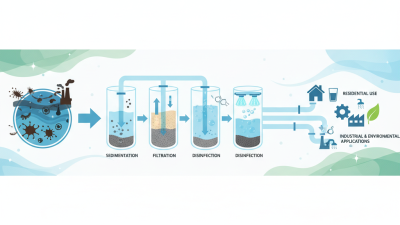
When it comes to ensuring safe drinking water, various treatment methods are essential. These systems remove contaminants and impurities effectively. Common techniques include filtration, disinfection, and reverse osmosis. Each method has its strengths and limitations, making it crucial to understand their roles in water safety.
Filtration typically involves physical barriers. It can eliminate sediment and larger particles. However, it might not address dissolved substances.
Disinfection, often through chlorine or UV light, targets harmful bacteria and viruses. While effective, concerns about byproducts and resistant organisms can arise. Reverse osmosis is another powerful option. It forces water through semipermeable membranes. This method efficiently removes many contaminants, but it can waste water and requires careful maintenance.
Communities often face challenges in selecting appropriate treatments. Local water quality and infrastructure impact decisions. It's vital to assess protocols regularly to adapt to changing conditions. Some methods may not be suitable for all situations, demanding ongoing evaluation. Balancing effectiveness, cost, and accessibility remains a constant struggle in achieving truly clean water for all.
Importance of Safe Drinking Water
Safe drinking water is vital for health and well-being.
Contaminated water can cause numerous diseases, impacting both individuals and communities.
Access to clean water is a basic human right, yet millions lack it. Understanding the importance of water safety is essential.
Water treatment methods, such as filtration and disinfection, help remove harmful bacteria and pollutants.
These techniques ensure that water remains safe for consumption.
Regular testing of water quality is crucial. It helps detect potential contaminants early.
Tips:
- Always use a reliable filtration system.
- Check local water quality reports.
- Be cautious with untreated water sources.
- Educate your family about water safety.
- Proper storage of water can prevent contamination.
- Always be aware of waterborne disease outbreaks in your vicinity.
- Safe water is a shared responsibility.
Mechanical Filtration Techniques for Water Purification
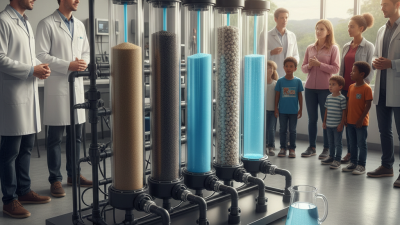
Mechanical filtration techniques are essential in providing clean and safe drinking water. These methods effectively remove particulate matter and impurities through physical barriers. For instance, a study by the American Water Works Association revealed that mechanical filtration can eliminate up to 99% of suspended solids from water.
One common technique is sediment filtration. This process employs filter media, such as sand or gravel, to trap larger particles. According to the World Health Organization, sediment filters can improve water clarity and enhance the taste by removing potential contaminants. Another effective method is cartridge filtration, which uses a replaceable filter cartridge to capture smaller particles. These cartridges can trap particles as tiny as 1 micron, ensuring higher quality water.
While mechanical filtration is highly effective, it is not infallible. Some microorganisms and dissolved chemicals may pass through. Regular maintenance and monitoring are critical to ensure these systems perform optimally. Periodically replacing filter media or cartridges is necessary to prevent clogging. Water treatment professionals often recommend testing filtered water to ensure safety and compliance with health standards.
Top Drinking Water Treatment Methods for Clean and Safe Water
| Method |
Description |
Advantages |
Disadvantages |
| Activated Carbon Filtration |
Uses activated carbon to remove contaminants and impurities. |
Effective in removing chlorine, odors, and taste. |
Needs frequent replacement of carbon filters. |
| Reverse Osmosis |
Uses a semipermeable membrane to remove ions and molecules from water. |
Highly effective at removing a broad range of contaminants. |
Wasteful in terms of water usage; slow filtration process. |
| Ultrafiltration |
Uses a membrane to filter out larger particles and pathogens. |
No chemicals needed, preserves minerals in water. |
Not effective against dissolved salts and small ions. |
| Ion Exchange |
Exchanges undesirable ions with more desirable ions in water. |
Great for softening hard water, removing heavy metals. |
Requires regular maintenance and the need for regeneration. |
| Mechanical Filtration |
Physical removal of contaminants through filters. |
No chemicals involved, easy to maintain. |
May not remove dissolved contaminants. |
Chemical Treatment Methods for Contaminant Removal
Chemical treatment methods are essential for ensuring clean and safe drinking water. These methods effectively remove a variety of contaminants, including heavy metals, bacteria, and toxic chemicals. One popular approach is chlorination. It involves adding chlorine to water, which effectively kills harmful microbes. However, chlorine can react with organic matter, producing harmful byproducts. This raises the need for careful monitoring.
Another method is flocculation. In this process, chemicals like aluminum sulfate are added to water. They bind with particles and form larger clusters, or "flocs". These flocs can then be easily removed by sedimentation and filtration. While effective, flocculation may not remove all contaminants, highlighting the importance of using multiple treatment methods.
Moreover, advanced oxidation processes (AOP) have gained attention. They use powerful oxidants to degrade organic pollutants. Though effective for certain contaminants, AOP can be costly and may require specialized equipment. Each treatment method has its benefits and limitations. Understanding these is vital for making informed choices about water treatment options. Recognizing weaknesses in chemical methods helps in developing better strategies.
Top Drinking Water Treatment Methods for Clean and Safe Water
Biological Processes in Water Treatment Systems
Biological processes play a vital role in water treatment systems. These methods harness the natural capabilities of microorganisms to break down contaminants. This approach is sustainable and cost-effective. Microbes can effectively remove organic matter and pathogens, ensuring cleaner water.
One common method is activated sludge treatment. In this system, bacteria digest organic materials in wastewater. This process significantly reduces harmful elements. However, it requires careful management of conditions. If oxygen levels fluctuate, the system may fail to function properly.
Another method is biofiltration, where water passes through a filter medium colonized by beneficial microbes. These filters trap particles and promote microbial growth. It's a natural way to purify water. Still, maintaining optimal conditions can be challenging. Not all contaminants are removed effectively, highlighting the need for continual research and adaptation in biological water treatment.