Why Water Analysis is Crucial for Your Health and Safety: Key Insights Explained
Water is an essential resource that not only sustains life but also plays a critical role in safeguarding human health. The importance of water analysis cannot be overstated, as it serves as the first line of defense against contaminants that can threaten our well-being. According to a report by the World Health Organization, contaminated drinking water is responsible for over 2 million deaths annually, highlighting the necessity for rigorous water quality assessments. Regular water analysis not only ensures that drinking water meets safety standards but also helps in the timely detection of pollutants that can cause acute and chronic health problems.
Moreover, the Environmental Protection Agency (EPA) emphasizes that over 50% of all U.S. waterways are polluted, underscoring the pressing need for comprehensive water analysis programs. These programs help detect harmful chemicals, pathogens, and heavy metals that may be present in water sources. As industrial activities and urban development increase, the risk of water contamination grows, making it imperative for public health officials and water management authorities to adopt systematic water analysis practices. By doing so, we can protect not only our immediate communities but also promote sustainable water management for future generations.

Importance of Water Quality for Overall Health and Well-Being
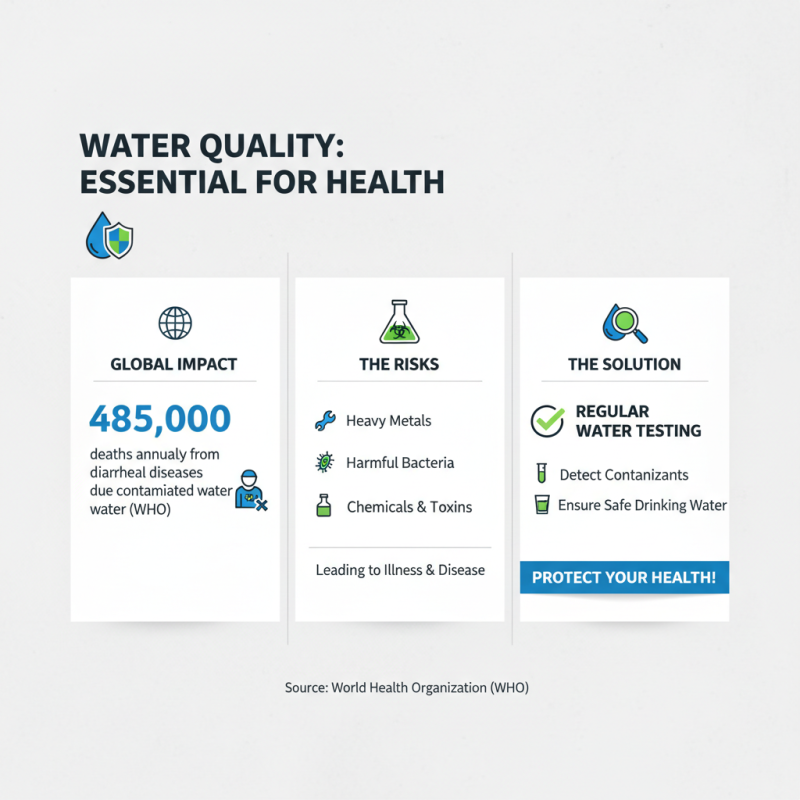
Water quality plays a pivotal role in our overall health and well-being. According to the World Health Organization (WHO), contaminated drinking water is linked to the deaths of approximately 485,000 people annually due to diarrheal diseases alone. This staggering statistic highlights the urgent need for effective water analysis. Regular testing can detect harmful contaminants, such as heavy metals, bacteria, and chemicals, ensuring that the water we consume is safe and poses no risk to our health.
In addition, safe and clean water is critical for the proper functioning of the body's systems. According to the Centers for Disease Control and Prevention (CDC), inadequate water quality can lead to long-term health issues, including cardiovascular disease and certain cancers. A study published in the Journal of Environmental Health found that exposure to contaminants like lead can cause developmental problems in children, further emphasizing the need for rigorous water quality assessments. By prioritizing water analysis, we can take proactive steps toward safeguarding our health and promoting a healthier environment for future generations.
Common Contaminants Found in Drinking Water and Their Effects
Drinking water is essential for life, but it can also pose significant health risks if contaminated. Common contaminants found in drinking water include heavy metals like lead and mercury, which can have severe effects on the nervous system and can lead to developmental issues in children. Exposure to these toxins often occurs through old plumbing systems or industrial discharges, making water analysis crucial to ensuring safety.
In addition to heavy metals, microorganisms such as bacteria, viruses, and parasites can infiltrate water supplies, leading to waterborne diseases. For instance, pathogens like E. coli and Giardia can cause gastrointestinal illnesses, which may result in severe dehydration and other serious complications. Regular testing for these contaminants is vital, especially in areas with aging infrastructure or during extreme weather events that may disrupt water quality. By understanding the potential contaminants and their health impacts, individuals can take proactive measures to safeguard their water supply.
Methods and Technologies for Effective Water Analysis
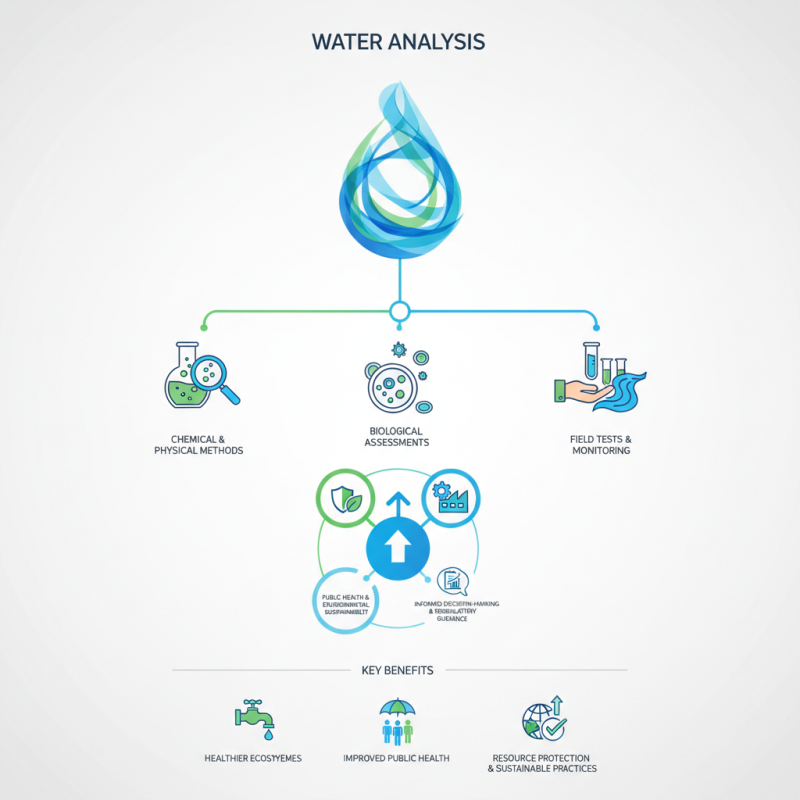
Effective water analysis is essential for ensuring both public health and safety, particularly given the increasing concerns about water quality across the globe. Various methods and technologies have emerged to accurately assess water conditions, including advanced sampling techniques and analytical instrumentation. One significant advancement is the use of spectrophotometry, which allows for the precise measurement of contaminants and essential minerals in water samples. According to a report by the World Health Organization, nearly 2 billion people globally rely on water sources contaminated with feces, underscoring the critical need for regular and thorough water analysis.
In addition to spectrophotometry, chromatography has become a vital method for detecting a wide range of organic and inorganic compounds in water. This technology separates the various constituents of water, providing detailed insights into potential pollutants and toxins. A study published in the Journal of Water Health indicates that the timely analysis of drinking water can reduce the risk of waterborne diseases by up to 30%. Moreover, real-time monitoring systems equipped with sensors provide continuous data on water quality, allowing for immediate responses to any detected anomalies, which is crucial for protecting public health in urban and rural settings alike.
Water Quality Analysis Data - Key Parameters
This chart displays the levels of various key parameters in water quality analysis that are crucial for health and safety. Regular monitoring of these parameters helps ensure safe drinking water and environmental health.
Regulatory Standards for Water Safety and Their Implications
Regulatory standards for water safety play a pivotal role in ensuring public health and environmental protection. These standards are established by various government agencies to limit contaminants in drinking water and set acceptable levels for chemical, biological, and physical parameters. Compliance with these regulations is crucial not only to safeguard individual health but also to maintain the integrity of local ecosystems. Regular monitoring and testing of water sources help identify potential hazards, enabling timely interventions to rectify issues that may arise.
In addition, the implications of these standards extend beyond mere compliance; they foster public trust and confidence in water supplies. By adhering to stringent regulations, municipalities and water providers demonstrate their commitment to providing safe drinking water. Furthermore, these standards drive innovation in water treatment technologies, pushing for continuous improvements in methods to detect and eliminate pollutants. As regulatory frameworks evolve, they will likely incorporate more comprehensive guidelines, responding to emerging concerns such as microplastics and pharmaceutical residues, ultimately contributing to enhanced water quality and safety for all communities.
Why Water Analysis is Crucial for Your Health and Safety: Key Insights Explained
| Parameter |
Recommended Limit (mg/L) |
Potential Health Risks |
Regulatory Standards |
| Lead |
0.01 |
Neurological damage |
EPA |
| Nitrate |
10 |
Methemoglobinemia |
EPA |
| Arsenic |
0.01 |
Cancer, organ damage |
EPA |
| Fluoride |
4 |
Dental and skeletal fluorosis |
EPA |
| Mercury |
0.002 |
Kidney damage, cognitive issues |
EPA |
Steps to Ensure Safe and Clean Water in Your Home
Ensuring safe and clean water in your home starts with understanding the sources and potential contaminants. It is essential to perform regular water testing to assess the quality of your drinking water. You can either use home testing kits or engage professional services to check for harmful substances such as lead, bacteria, or chlorine. Identifying these contaminants early allows you to take the necessary actions to protect your family’s health.
Once you have the results, implementing effective filtration systems can help ensure the water you consume is safe. Various filtration options are available, including activated carbon filters, reverse osmosis systems, and UV purifiers. Selecting the right type of filtration system depends on the specific contaminants present in your water supply. Additionally, keeping your plumbing systems well-maintained and performing regular checks can further enhance water safety, preventing issues such as leaks or pipe corrosion that may introduce new hazards. Taking these proactive steps can significantly reduce risks and contribute to a healthier living environment.