What is Water Analysis? Importance, Methods, and Key Benefits Explained
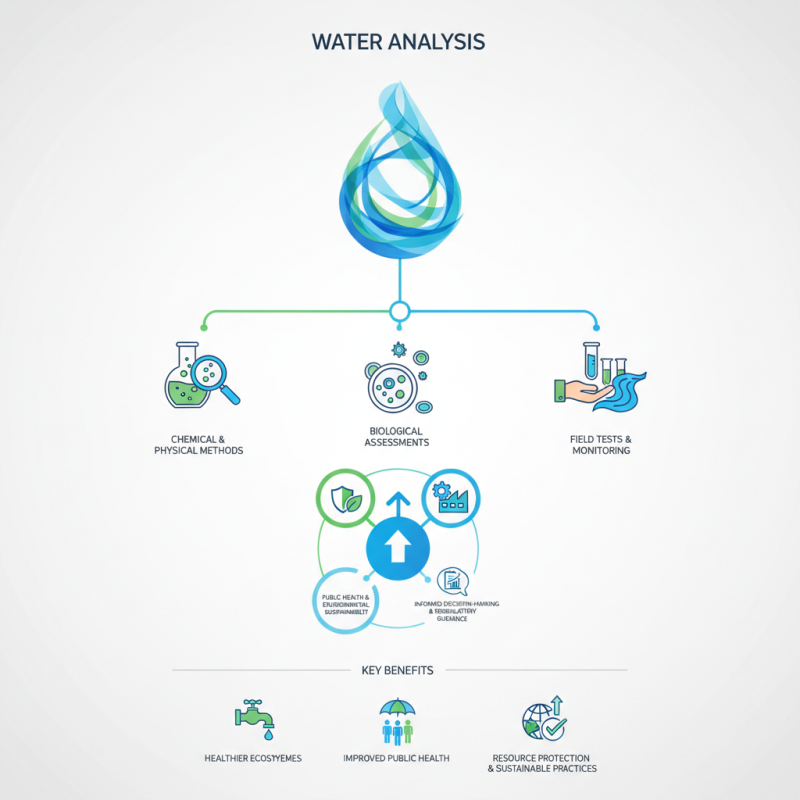
Water analysis is a critical process that involves the examination of water samples to determine their chemical, physical, and biological characteristics. As one of the most essential resources for life, the quality of water can significantly impact public health, environmental sustainability, and economic development. Understanding the importance of water analysis is vital in today’s world, where contamination and depletion of water resources pose significant challenges. This introductory discussion delves into the various methods of water analysis and highlights its key benefits.
The methods used in water analysis can vary widely, from simple field tests to sophisticated laboratory techniques. Techniques such as chemical testing, biological assessments, and physical examinations are employed to detect the presence of pollutants, pathogens, and essential nutrients. Each method plays a crucial role in evaluating water quality and ensuring it meets safety standards for human consumption, agriculture, and industrial use. The insights gained from water analysis not only aid in monitoring environmental health but also guide regulatory policies and resource management practices.
Moreover, the benefits of conducting regular water analysis extend beyond immediate health considerations. By identifying contamination sources and understanding water quality trends, stakeholders can take proactive measures to protect water resources, educate communities, and promote sustainable practices. Ultimately, effective water analysis contributes to healthier ecosystems, improved public health outcomes, and informed decision-making, making it an indispensable component of environmental stewardship.
What is Water Analysis? Definition and Purpose
Water analysis is a systematic examination of water samples to determine their chemical, physical, and biological properties. The primary purpose of water analysis is to assess the quality and safety of water for various uses, including drinking, agriculture, and industrial processes. By identifying contaminants and measuring parameters such as pH, turbidity, and microbial content, water analysis helps ensure compliance with environmental regulations and public health standards.
The significance of water analysis extends beyond mere compliance; it plays a crucial role in protecting ecosystems and human health. In regions where water scarcity is an issue, understanding the composition of available water sources becomes vital for sustainable management. Furthermore, routine water analysis can help in detecting changes in water quality over time, providing essential data that can inform policy decisions and conservation efforts. By employing various methods, from laboratory testing to field analyses, stakeholders can make informed decisions that safeguard both the environment and community welfare.
Water Quality Analysis: Parameters and Importance
This bar chart illustrates various water quality parameters commonly analyzed in water analysis. Monitoring these parameters is crucial for ensuring safe drinking water and maintaining environmental health.
The Importance of Water Analysis for Health and Environment
Water analysis plays a critical role in safeguarding both human health and environmental integrity. With climate change posing significant threats to water quality and availability, understanding the nuances of water analysis has become increasingly essential. Recent reports highlight that a staggering 97.8% of inland bathing waters in the EU met minimum quality standards, yet ongoing climate shifts threaten this achievement. Effective water analysis can identify pollutants and their sources, ensuring that communities can engage safely with their natural water environments, especially in recreational areas.
Tips for maintaining water quality include regularly monitoring local water sources, advocating for pollution control measures, and supporting sustainable practices within your community. It is also crucial to educate oneself and others about the significance of preserving water ecosystems, which are vital for biodiversity and overall public health.
Furthermore, understanding the interconnections between temperature, land use, and water quality can enhance urban planning efforts to create more sustainable environments. As we navigate the complexities of the water-health-environment nexus, proactive measures and informed public policies will be pivotal in securing clean water resources for future generations.
Common Methods Used in Water Analysis: Techniques and Tools
Water analysis is crucial for ensuring water quality and safety, employing various methods that utilize specific techniques and tools. One common method is chemical analysis, which involves testing water samples for contaminants such as heavy metals, pesticides, and nitrates. This is often done using spectrophotometry, where samples are illuminated to measure the absorbance of specific wavelengths, indicating the concentration of pollutants.
Another prevalent technique is microbiological analysis, which assesses the presence of harmful microorganisms in water. Methods such as membrane filtration and most probable number (MPN) tests are employed, allowing scientists to determine bacterial counts in a given sample. Additionally, physical analysis methods can be used to evaluate parameters like turbidity and temperature, which affect water quality. Tools like turbidity meters and temperature probes provide quick and accurate data, helping to ensure that the water meets safety regulations for consumption and recreational use.
Key Benefits of Conducting Regular Water Analysis
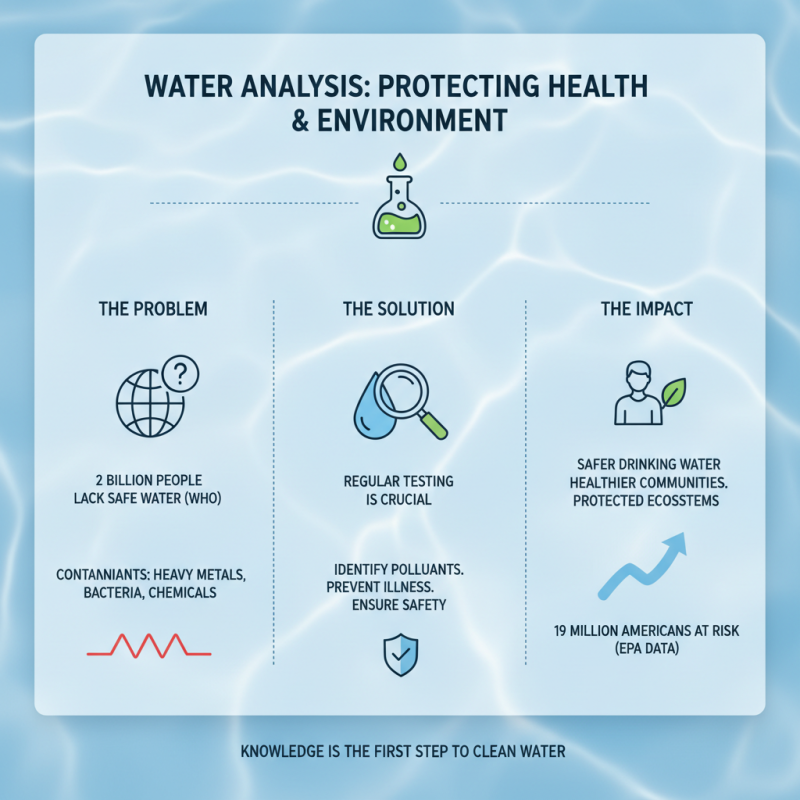
Regular water analysis is crucial for both public health and environmental protection. According to the World Health Organization, approximately 2 billion people worldwide lack access to safe drinking water, emphasizing the need for consistent water quality testing. By conducting regular water analyses, communities can identify contaminants such as heavy metals, bacteria, and chemical pollutants that may pose health risks. For instance, data from the Environmental Protection Agency highlights that nearly 19 million Americans are served by water systems that violate federal health standards, making routine inspections vital for ensuring safety.
The benefits of conducting regular water analysis extend beyond health assurance; they also include regulatory compliance and environmental stewardship. Information from the Water Environment Federation indicates that municipalities that monitor their water sources diligently are better equipped to meet regulatory requirements, reduce the risk of fines, and maintain public trust. Additionally, proactive water management can prevent expensive remediation efforts in the long run, helping utilities save significant resources. Overall, the importance of regular water analysis cannot be understated, as it plays a key role in safeguarding both human and ecological health.
Challenges and Considerations in Water Quality Testing
Challenges in water quality testing often stem from the diverse nature of water sources and the variables that influence their composition. Factors such as temperature, pH, and the presence of contaminants can significantly affect results. Moreover, external influences like industrial discharges or agricultural runoff can introduce complexities, making it difficult to ascertain the true quality of a water sample. Accurate testing requires a thorough understanding of these elements to interpret data correctly, which can be challenging for organizations without specialized expertise.
Another consideration is the methodology employed in testing. Different methods, from field tests to sophisticated laboratory analyses, vary in reliability and sensitivity. Selecting an inappropriate testing method can lead to misleading results, ultimately impacting public health and environmental safety. Furthermore, ongoing maintenance of equipment and the need for regular calibration add additional layers of complexity. Ensuring that personnel is adequately trained to perform tests and understand their implications is crucial. These challenges highlight the importance of adopting a comprehensive approach to water quality testing, involving well-designed frameworks and continuous education.