Why is a Water Cleaning System Essential for a Sustainable Future?
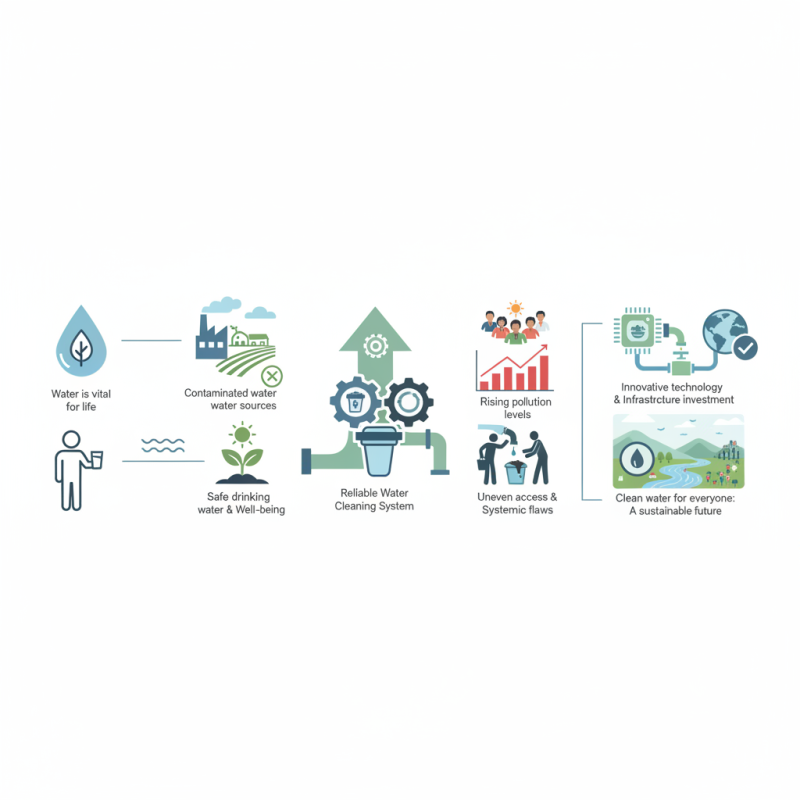
Water is vital for life. Yet, many water sources remain contaminated. A reliable water cleaning system is crucial for sustainable living. It ensures safe drinking water for all. Clean water promotes health and well-being.
Pollution levels are rising globally. Industrial waste and agricultural runoff contaminate rivers and lakes. Many communities struggle with access to clean water. This reality exposes systemic flaws in our water management. We must reflect on the effectiveness of current systems.
Implementing innovative water cleaning systems can combat these challenges. Communities can thrive when smart solutions are in place. However, the availability of these systems is uneven. Investing in technology and infrastructure is necessary. A future with clean water for everyone is possible if we act wisely.
Importance of Clean Water Access in Global Health Initiatives
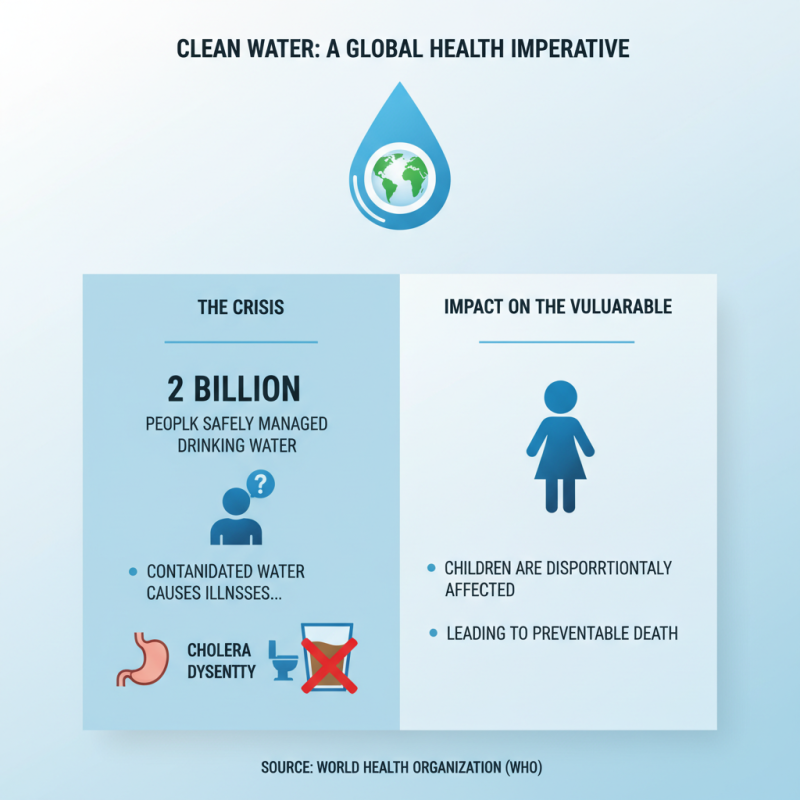
Access to clean water is critical for global health. According to the World Health Organization, about 2 billion people lack safely managed drinking water. Contaminated water contributes to diseases like cholera and dysentery. These illnesses disproportionately affect vulnerable populations, particularly children.
Clean water is essential for reducing healthcare costs. The United Nations estimates that every $1 invested in water and sanitation can yield a return of $4 in increased productivity. However, many regions struggle with outdated systems. In some areas, 30% of water sources remain polluted. We must reflect on this crisis.
Investing in water cleaning systems can improve overall public health. Access to clean water boosts educational opportunities. Children can attend school instead of fetching water. Health initiatives should prioritize modern water infrastructure. Without it, we risk perpetuating cycles of poverty. The need for sustainable water solutions is urgent.
Statistics on Water Pollution and Its Impact on Ecosystems
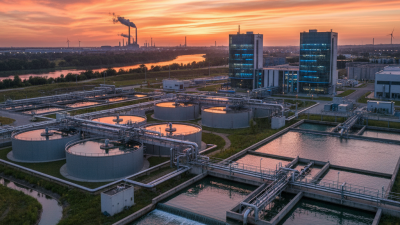
Water pollution is a growing crisis. According to the World Health Organization, over 2 billion people lack access to safe drinking water. Contaminated water can cause severe health issues, including waterborne diseases. Additionally, nearly 80% of wastewater is released into the environment without proper treatment. This directly affects aquatic ecosystems. Fish and other wildlife suffer from toxins and reduced habitats.
Ecosystem degradation is alarming. For example, nutrient runoff from agriculture leads to harmful algal blooms. These blooms deplete oxygen in water, causing marine life to suffocate. The statistics are troubling; over 60% of global freshwater ecosystems are degraded. Many species face extinction. Clean water is essential for these ecosystems to thrive.
Addressing water pollution requires urgent action. Innovations in water cleaning systems can reduce contaminants effectively. However, community engagement and education remain critical. Are we doing enough? Reflecting on personal consumption habits and community practices could lead to meaningful changes. Our future hinges on cleaner water and healthier ecosystems.
Water Pollution Statistics and Its Impact on Ecosystems
Technological Innovations in Water Filtration and Purification Systems
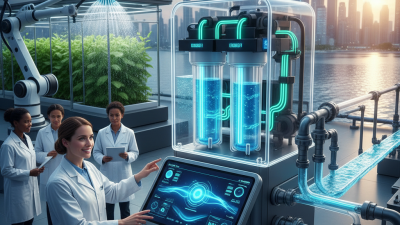
Water purification is crucial for our future. Advanced filtration technologies are developing rapidly. They promise to make clean water accessible to more communities. Some systems use nanotechnology. This can remove tiny contaminants effectively. Imagine clear water flowing from your tap, free from harmful microbes.
Innovative methods like UV filtration and reverse osmosis are gaining traction. They offer efficient solutions for various water sources. However, we still face challenges. Not all regions can afford these technologies. Maintenance can be costly, limiting their availability. Water scarcity remains a pressing issue globally.
Every household should consider water filtration options. Knowledge about these systems can lead to better choices. Yet, groups evaluating environmental impact must reflect on broader implications. Are we truly addressing the root causes of water pollution? It's a complex web that needs our attention.
Economic Benefits of Investing in Sustainable Water Cleaning Technologies
Investing in sustainable water cleaning technologies offers numerous economic benefits.
Clean water enhances public health, reducing medical costs associated with waterborne illnesses.
Communities with access to clean water tend to thrive economically.
The productivity of the workforce increases when individuals are not burdened by health issues.
Furthermore, these technologies can create jobs.
Manufacturing, installation, and maintenance require skilled labor.
Local economies benefit from job creation.
Investments in sustainable water systems can attract businesses.
Companies look for regions with reliable water sources.
Implementing these systems may come with initial costs.
However, the long-term savings and benefits often outweigh these expenses.
It's crucial to calculate the total cost of ownership.
Funding from local governments or private sectors can ease this burden.
Society must reflect on how neglecting water systems can lead to future costs.
Inadequate water supply can limit growth and sustainability.
Case Studies: Successful Implementation of Water Systems in Urban Areas
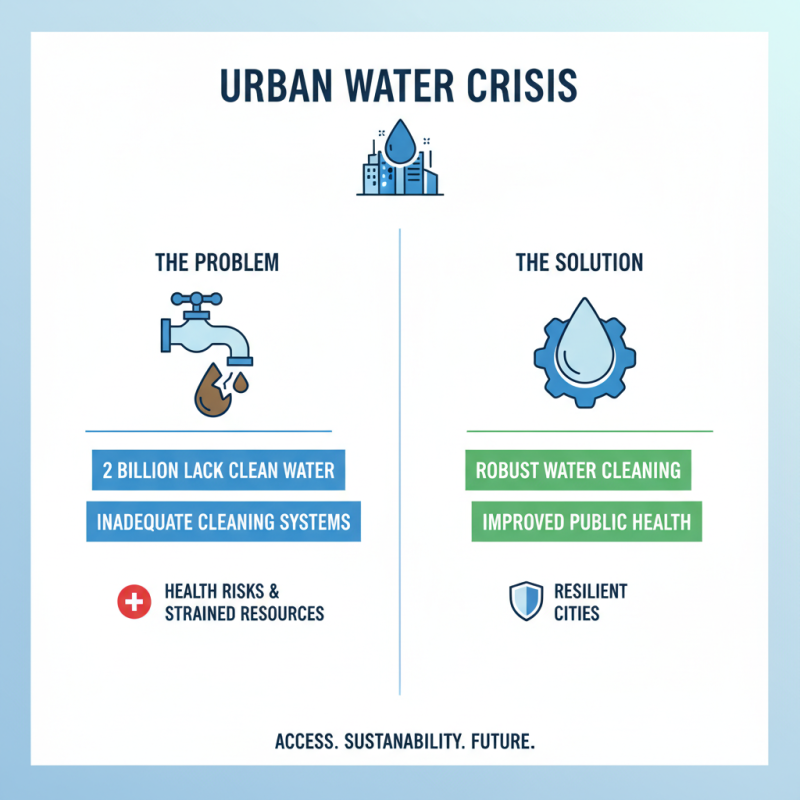
Urban areas face significant water challenges. In many cities, systems for cleaning water are not adequate. Reports show that nearly 2 billion people lack access to clean drinking water. This creates health risks and strains city resources. A robust water cleaning system can help alleviate these issues.
Case studies across various cities highlight significant improvements. For instance, a project in Singapore enhanced water recycling to cover 30% of the national water supply. This model emphasizes the importance of advanced filtration technologies. Data indicates that such initiatives reduce water wastage by up to 50%.
Yet, challenges persist in implementation. Not all urban areas have the funds for effective systems. In some cases, political will can be lacking. Infrastructure can be outdated and resistant to change. Despite these barriers, the potential for cleaner water is clear. Adapting successful models from others may offer new hope for cleaner urban water supplies.