Why You Need Water Testing Equipment for Safe Drinking Water
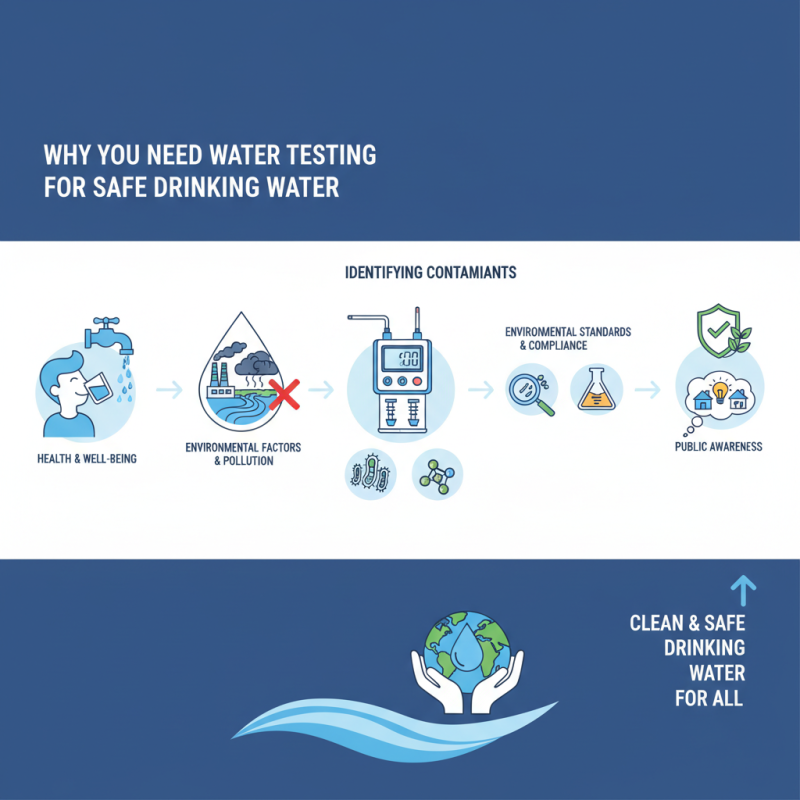
Access to safe drinking water is a fundamental necessity for maintaining health and well-being. However, the quality of our water sources can often become compromised due to various environmental factors and pollution. This highlights the critical importance of having reliable water testing equipment. By utilizing this essential technology, individuals and communities can proactively monitor and assess the safety of their drinking water.
Water testing equipment serves as a vital tool in identifying contaminants that may pose risks to human health. From harmful bacteria and heavy metals to chemical pollutants, these tools enable us to detect unsafe levels of substances that can be detrimental to our well-being. Moreover, regular testing helps to ensure compliance with environmental standards and promotes public awareness about water quality issues.
In today's world, where environmental changes and industrial activities are increasingly affecting our water sources, investing in water testing equipment is not just a precaution but a necessary step toward safeguarding health. Understanding the significance of water testing can empower us to take informed actions to ensure access to clean and safe drinking water for all.
The Importance of Safe Drinking Water for Health and Well-being
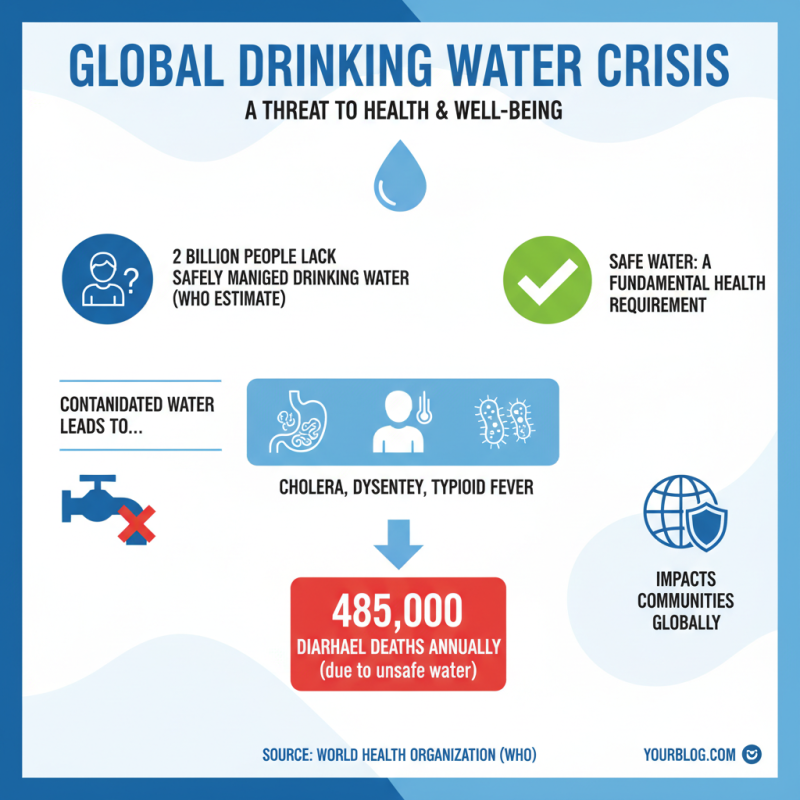
Access to safe drinking water is crucial for maintaining health and well-being. The World Health Organization (WHO) estimates that roughly 2 billion people around the globe lack access to safely managed drinking water, which significantly increases the risk of waterborne diseases such as cholera, dysentery, and typhoid fever. In fact, it is reported that contaminated water sources lead to approximately 485,000 diarrheal deaths each year. Ensuring the safety of drinking water is not just a matter of convenience; it is a fundamental health requirement that impacts communities at large.
Moreover, the quality of drinking water directly influences various health outcomes. A study published in the Journal of Water and Health highlighted that individuals consuming unsafe water are more susceptible to chronic illnesses, impaired cognitive function, and reduced productivity. Safe drinking water supports healthy growth in children, decreases healthcare costs associated with treating waterborne diseases, and contributes to the overall socio-economic stability of regions. As awareness of these issues grows, proper water testing equipment becomes increasingly vital for identifying contaminants and ensuring the quality of drinking water, ultimately safeguarding public health. Thus, investing in reliable water testing tools is essential for maintaining a healthy environment and preventing the spread of disease.
Understanding Common Contaminants in Drinking Water
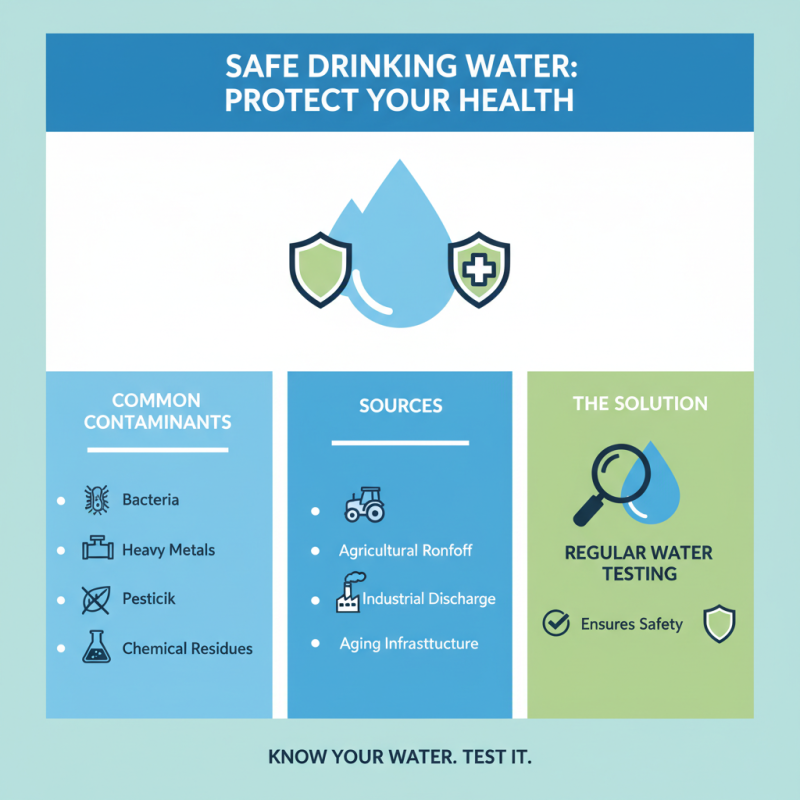
Access to safe drinking water is essential for maintaining good health, yet many people are unaware of the potential contaminants that can compromise its safety. Common pollutants found in drinking water include bacteria, heavy metals, pesticides, and chemical residues. These contaminants can originate from agricultural runoff, industrial discharges, or even aging infrastructure. Regular water testing is crucial to identify and address these harmful substances, ensuring that your drinking water remains safe.
Tips for testing your water: Invest in reliable water testing equipment to periodically check for contaminants. Look for kits that can detect a broad range of substances, including microorganisms, nitrates, and lead. If you notice unusual odors, tastes, or discolorations, it may be time to perform a test or consult a professional.
It's also beneficial to be aware of local water quality reports, which can highlight any region-specific contaminants. In addition, consider taking proactive measures like installing water filtration systems that remove heavy metals and bacteria, enhancing your water safety, and creating peace of mind for your household. Regular testing combined with effective filtration can significantly reduce the risks associated with drinking contaminated water.
An Overview of Water Testing Equipment and Its Functionality
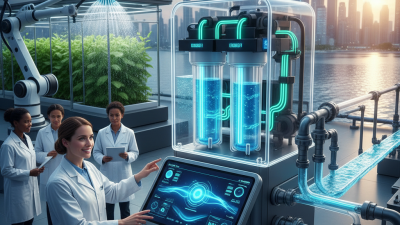
Water testing equipment plays a crucial role in ensuring the safety and quality of drinking water. These tools enable individuals and organizations to assess various parameters of water, such as pH levels, contaminants like heavy metals, bacteria, and chemical pollutants. Depending on the specific needs, water testing kits come in different forms, including strips, portable devices, and laboratory-grade equipment. Each type provides a unique way to analyze water quality, making it easier to tackle issues that could pose health risks.
Tips for selecting the right water testing equipment include determining the specific contaminants you want to test for, considering the size of your testing needs (e.g., home use vs. larger scale), and reviewing the ease of use of the equipment. Additionally, it’s vital to ensure that the testing methods meet local regulatory standards. Investing in quality water testing equipment guarantees accurate results and peace of mind regarding your drinking water safety.
Regular testing not only helps in identifying potential pollutants but also allows for monitoring changes over time. Users should keep records of their test results and compare them periodically to detect any unusual trends. Understanding the functionality of the equipment facilitates better decision-making when addressing water quality issues, thus promoting a healthier living environment for all.
Water Quality Parameters Measured by Testing Equipment
How to Choose the Right Water Testing Equipment for Your Needs
When it comes to selecting water testing equipment, the first step is to identify your specific needs based on the water source and potential contaminants. For example, if you are testing well water, you might need equipment that detects bacteria, nitrates, and heavy metals. Conversely, if you're analyzing municipal water supplies, your focus may shift towards chlorine levels and pH balance. Understanding the contaminants that are most relevant to your situation will guide you in choosing the right tools.
Next, consider the varying levels of complexity and accuracy of water testing equipment available on the market. From simple test strips to advanced digital meters, each comes with its own set of features. For casual users, test strips are cost-effective and easy to use, offering quick results for general assessments. For more accurate and detailed analysis, investing in digital devices with calibration features can provide valuable insights into water quality. Besides accuracy, also weigh factors such as portability, ease of use, and maintenance, as these will influence your experience with the device and the reliability of the results obtained.
Regular Testing: Maintaining Water Quality for Safe Consumption
Regular testing of drinking water is essential for ensuring its safety and quality. According to the Environmental Protection Agency (EPA), over 13 million people in the United States rely on private wells, which are not regulated under the Safe Drinking Water Act. This lack of oversight means that contaminants can go unchecked, leading to potential health risks. For instance, a study by the National Ground Water Association revealed that around 40% of private well water samples tested positive for microbial or chemical contaminants, underscoring the importance of routine water testing.
Moreover, regular water quality assessments can identify changes over time, helping homeowners and communities to take necessary actions before problems escalate. The Centers for Disease Control and Prevention (CDC) emphasizes that many water quality issues are preventable when detected early. For example, assessing parameters like pH, turbidity, and presence of heavy metals can significantly reduce the risk of waterborne diseases. Regular monitoring not only safeguards public health but also reassures consumers about the safety of their drinking water, fostering trust in community water sources. These proactive measures are crucial for maintaining high standards of water quality essential for safe consumption.