How to Perform Water Testing for Safe Drinking Water
Access to safe drinking water is a fundamental right. However, many individuals overlook the importance of regular water testing. Dr. Emily Johnson, a renowned water quality expert, emphasizes, "Regular testing is crucial for ensuring water safety." Her insight underscores the seriousness of this issue.
Water testing helps identify contaminants like bacteria, chemicals, and heavy metals. Think about how many people rely on tap water every day. If testing is neglected, health risks can increase significantly. Many may not realize that their water source could be compromised. This is concerning, as waterborne diseases are prevalent in many areas.
Testing can sometimes seem daunting or unnecessary. Yet, a simple kit can reveal much. Setting aside time for testing is vital. It’s not just about safety; it’s about peace of mind. Engaging in regular water testing cultivates awareness and encourages responsible practices. Let's reconsider our relationship with water and prioritize safety.
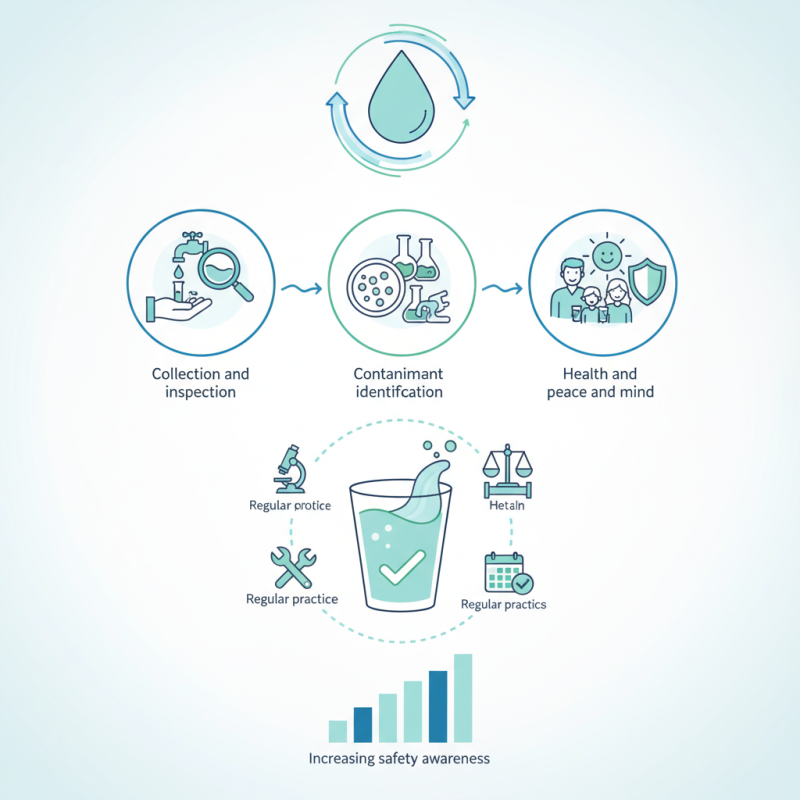
Understanding the Importance of Water Testing for Safety
Water testing is crucial for ensuring safe drinking water. Contaminated water can lead to serious health problems. According to the World Health Organization, around 2 billion people use a drinking water source contaminated with feces. This is alarming. Regular testing helps identify potential hazards.
Many contaminants, such as bacteria, heavy metals, and pesticides, can affect water safety. A report from the U.S. Environmental Protection Agency highlights that nearly 13 million Americans drink water that does not meet safety standards. This poses risks to their health, especially for children and pregnant women. Testing water can detect these harmful substances early.
In situations where water quality is questionable, individuals should prioritize testing. Community programs often provide free testing kits. It is vital to analyze the results and understand what they mean. Many people overlook this process, which could lead to continued exposure to unsafe water. Awareness is essential. Appropriate measures must follow any detected contamination. Taking action can protect both individual and public health.
Water Testing for Safe Drinking Water
| Test Parameter |
Recommended Level |
Measurement Unit |
Potential Health Effects |
| pH Level |
6.5 - 8.5 |
Units |
May affect taste; lead corrosion |
| Total Coliforms |
0 |
CFU/100 mL |
Potential pathogens; gastrointestinal illness |
| Lead |
0 |
µg/L |
Neurological problems; developmental issues |
| Nitrates |
≤ 10 |
mg/L |
Methemoglobinemia in infants (blue baby syndrome) |
| Arsenic |
≤ 10 |
µg/L |
Cancer; skin disorders; developmental effects |
Identifying Contaminants Commonly Found in Drinking Water
Drinking water quality is critical for health. Contaminants can lurk in tap water, potentially harming your well-being. According to the Environmental Protection Agency (EPA), over 80,000 chemicals are present in source water. Many of these may affect human health but go undetected without proper testing.
Common contaminants include lead, pesticides, and bacteria. Lead can enter water through old pipes. A report noted that nearly 10% of American homes contain elevated lead levels. Pesticides often originate from agricultural runoff, affecting groundwater supplies. Testing is essential for homeowners, especially those in rural areas where water sources are less regulated.
Bacteria such as E. coli can cause severe illness. The CDC emphasizes that contaminated drinking water leads to millions of illnesses annually. Testing for these contaminants provides a clear picture. Regular checks ensure water safety and can lead to urgent improvements. Awareness and knowledge empower consumers to take action.
Water Quality Testing: Common Contaminants in Drinking Water
Essential Tools and Equipment Needed for Water Testing
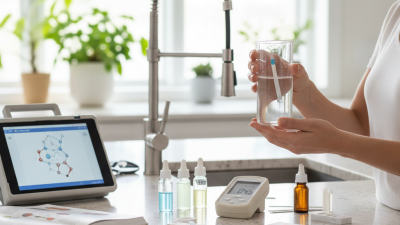
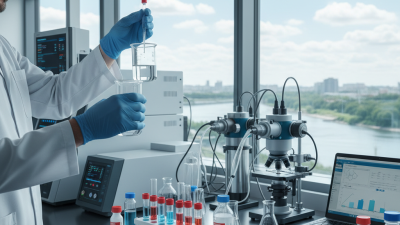
When it comes to ensuring safe drinking water, having the right tools is crucial. Basic water testing requires a few essential items. A reliable water testing kit is a must. These kits often include pH test strips, chlorine tests, and bacteria detection supplies. Each component helps identify potential contaminants in your water source.
In addition to a testing kit, a clean, transparent container is necessary. Glass or BPA-free plastic containers work well for collecting samples. Make sure to label each sample container clearly. This facilitates tracking and comparison of results from different locations. For more comprehensive analysis, consider using a water quality meter. These meters can provide accurate readings of various parameters, like temperature and turbidity.
While setting up your water testing, be mindful of the surroundings. Contamination can occur easily if equipment is not cleaned after use. Take notes of your observations and results. Inconsistent data can lead to misleading conclusions. By keeping a thorough log, you can better understand your water quality over time. Remember, staying vigilant and organized is key to effective water testing.
Step-by-Step Procedure for Conducting Water Quality Tests
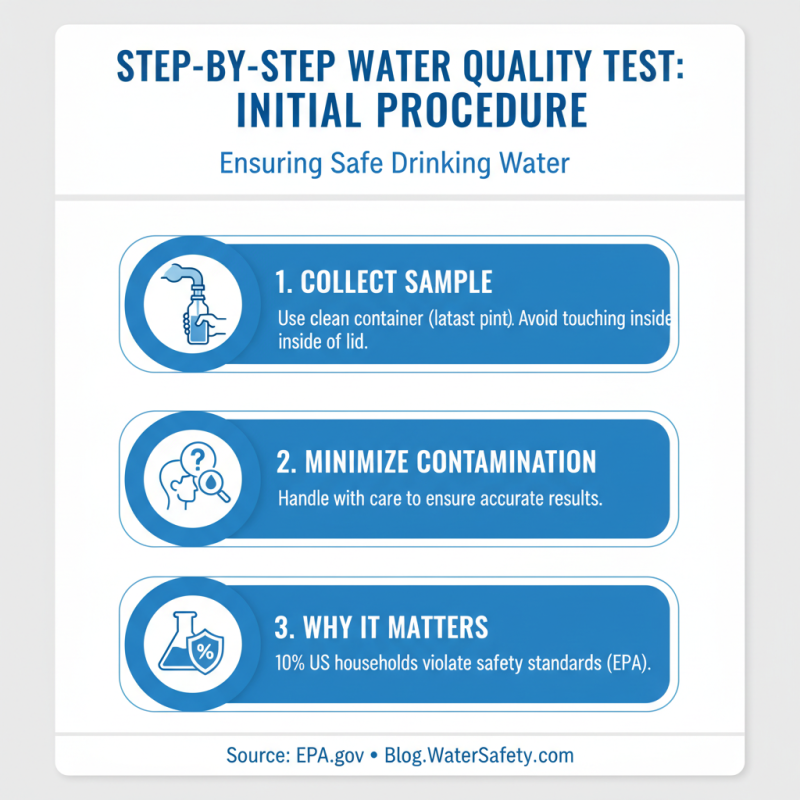
Testing water quality is essential for ensuring safe drinking water. A step-by-step procedure can help individuals assess their water's safety effectively. Start by collecting a sample in a clean container. Aim for at least a pint, ensuring not to touch the inside of the lid. This minimizes contamination risk. According to the EPA, approximately 10% of U.S. households have drinking water that violates federal safety standards.
Next, use a reliable test kit designed for home use. These kits often check for key contaminants like bacteria, nitrates, and lead. Follow the instructions carefully. For instance, allow samples to sit for a specific time before reading results. Accurate timing is crucial for reliable data. The CDC reports that 19 million Americans get drinking water from systems that violate the Safe Drinking Water Act.
Tips for success: Label your samples with the date and location. This information helps track changes in water quality over time. Always store the samples in a cool, dark place before testing. Remember, not all tests cover every possible contaminant. Consider multiple tests for comprehensive results. Regular water testing can help catch potential issues early, ensuring safe water for you and your family.
Interpreting Water Test Results and Taking Appropriate Actions
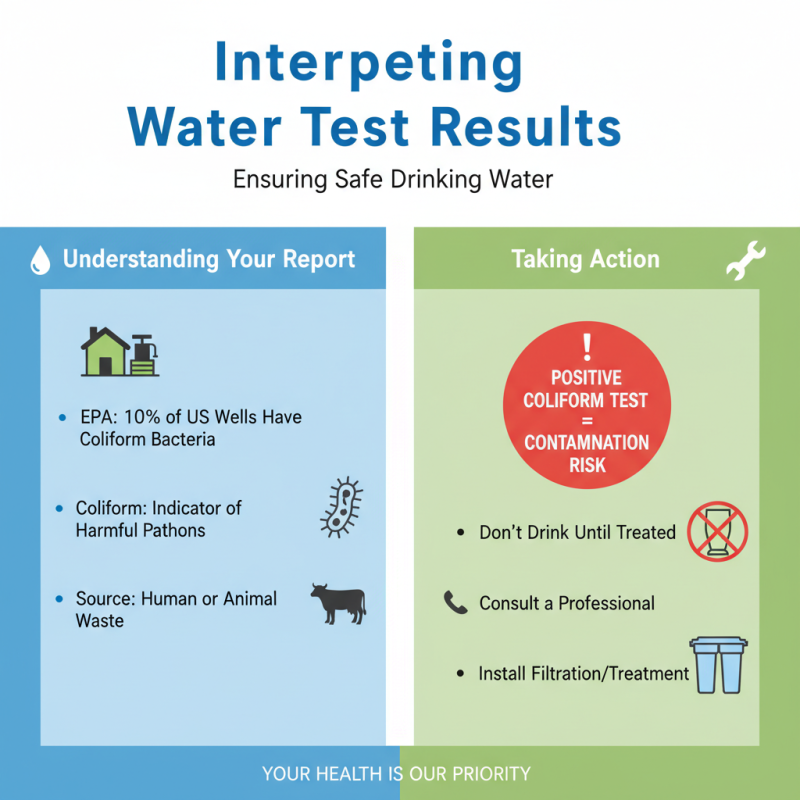
Interpreting water test results is critical for ensuring safe drinking water. A report from the Environmental Protection Agency (EPA) states that about 10% of U.S. household wells test positive for coliform bacteria. This indicator suggests the presence of harmful pathogens. Understanding these results can be daunting for many homeowners. A positive test for coliform means that there could be contamination from human or animal waste.
In cases of contaminated water, immediate action is necessary. Shock chlorination may be required to disinfect the well. However, follow-up testing is crucial. A 2020 study noted that 50% of those who treated their water did not retest it, leaving potential risks unaddressed. Homeowners should also consider installing water filtration systems if multiple tests show contamination. Keeping a record of test results and actions taken helps track improvements and informs future tests.
Visualizing test data can help. For instance, if nitrate levels exceed 10 mg/L, it could indicate agricultural runoff. This scenario highlights the need for regular testing, especially in rural areas. Prioritizing regular water testing and understanding the results can close the gap between potential contamination and safety. It's a step towards protecting public health, but challenges remain in translating data into effective action.