
What Are the Top Types of Arthroscopy Pumps?
Choosing an Arthroscopy Pump is not simply a matter of selecting the highest pressure or newest control panel. Pump design affects fluid flow, visualization, and how the surgical team responds to changing conditions inside the joint. This guide compares common types, including gravity-fed systems, pressure-controlled pumps, and roller or peristaltic pumps. Each manages irrigation differently. Small design differences can matter.
Dr. James H. Lubowitz, an orthopedic surgeon and arthroscopy educator, provides a useful clinical reference point. The following is a paraphrase, not a verified verbatim quotation: “Pump performance should support clear visualization and controlled fluid management.” That distinction matters. A pump must work within the procedure, the equipment setup, and the surgeon’s judgment; no single model is best for every case.
Some systems use sensors and automated pressure adjustments. Others rely on simpler controls or gravity. Integrated models may coordinate irrigation with suction or a shaver, while standalone pumps offer a different setup. The practical choice depends on procedure type, compatible instruments, staff familiarity, and the manufacturer’s instructions. A tidy display does not guarantee a suitable system. Nor does a familiar brand settle the question.
This comparison looks at how each pump type works, where it may fit, and what buyers should assess before choosing. It also leaves room for uncertainty: published specifications cannot replace hands-on evaluation or clinical guidance. The details deserve a closer look.
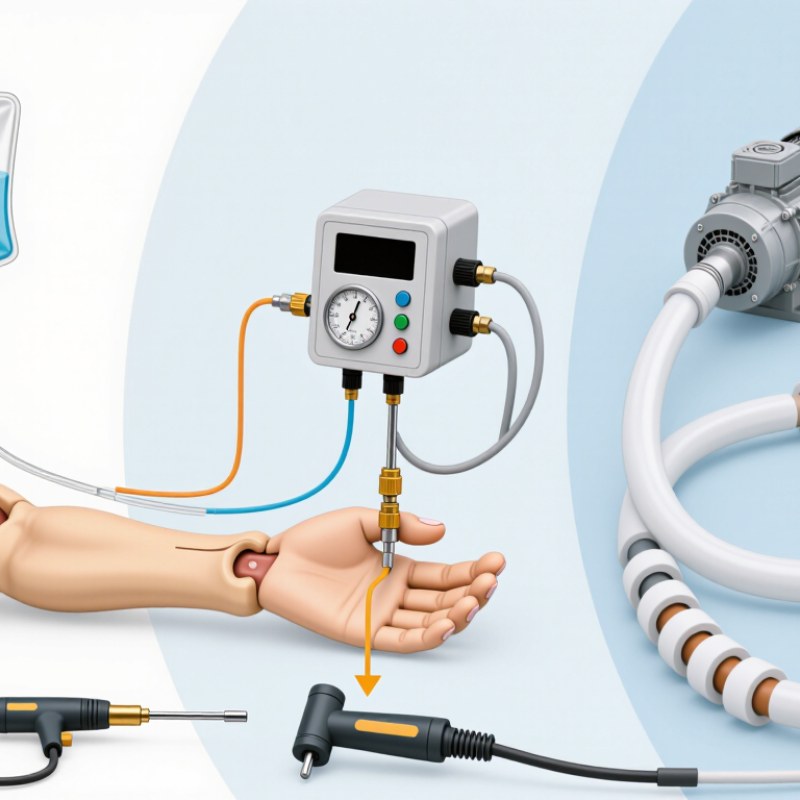
Gravity-Driven Arthroscopy Pump Systems
Gravity-driven arthroscopy systems use an elevated fluid bag to move irrigation solution through tubing and into the joint. The height difference creates hydrostatic pressure. No powered pressure unit is required. Flow also depends on tubing size, cannula resistance, and fluid outflow, so the bag’s position alone does not tell the whole story.
In practice, the surgical team watches the joint’s distension and the clarity of the camera image. A steady view matters. Bag height and outflow may need adjustment as the procedure changes, following the equipment instructions and the clinician’s judgment. These systems can offer a straightforward setup, but they do not automatically hold pressure constant. A blocked line or sudden change in outflow can alter fluid delivery.
The trade-off is easy to overlook: simple does not mean self-regulating. Gravity-driven systems may suit procedures where a basic, predictable irrigation setup is appropriate, while cases needing tighter pressure control may call for another type of pump. The right choice depends on the procedure, the equipment configuration, and the surgical team’s experience. Even small setup differences can affect how consistently fluid reaches the joint.
Pressure-Controlled Arthroscopy Pumps
Pressure-controlled arthroscopy pumps regulate fluid pressure to keep the joint space visible during surgery. The surgeon selects a target pressure, and the system adjusts inflow as instruments enter or leave the joint. This control matters: a knee that suddenly loses distension can cloud the camera view, while excessive pressure may encourage fluid to move into surrounding tissues.
A systematic review of arthroscopic irrigation by Tuijthof and colleagues in Arthroscopy (2006) reported that published pump settings varied, with commonly described pressures around 40–80 mmHg. That range is a reference, not a universal prescription; the joint, procedure, patient, and outflow all affect the appropriate setting. Small changes count. In practice, teams monitor visibility, swelling, and fluid return rather than trusting the display alone. A stable number can still hide poor outflow. That is easy to miss.
Pressure-controlled pumps are useful when instrument exchange causes pressure fluctuations. Yet higher pressure should not be treated as a shortcut to a clearer field. Clinical reports on arthroscopic fluid management associate sustained high pressure and prolonged procedures with greater concern for fluid extravasation. The evidence does not establish one safe setting for every case. Careful adjustment, clear communication, and attention to the patient remain essential. The screen is helpful, but it is not the whole picture.
Suction and Outflow Pump Systems
Suction and outflow pump systems regulate how fluid leaves the joint while inflow maintains visibility. In a suction-based setup, negative pressure draws fluid and debris through the outflow line. Controlled outflow can help keep the view clear, but excessive suction may collapse soft tissue against the cannula. Small adjustments matter. The operator should watch the field, joint distension, and pressure readings together—not treat a pump setting as a fixed recipe.
Published knee-arthroscopy studies commonly report irrigation pressures around 40–60 mmHg for routine cases; this is a reported working range, not a universal target. Higher pressure may improve visualization, yet it can also increase fluid extravasation. AORN’s Guidelines for Perioperative Practice emphasize monitoring irrigation and fluid management during procedures. In practice, teams should adjust pressure and outflow to the joint, procedure, and observed tissue response. This balance is not perfect, especially when bleeding clouds the view.
A practical check: inspect tubing for kinks, confirm suction is not pulling tissue into the cannula, and reassess the pressure display after repositioning.
Combined Inflow and Outflow Arthroscopy Pumps
Combined inflow and outflow arthroscopy pumps manage fluid entering and leaving a joint during minimally invasive procedures. They help maintain working space and wash away blood or loose debris that can cloud the camera. The inflow line delivers sterile irrigation fluid, while an outflow channel or suction pathway removes used fluid. A control unit adjusts delivery and drainage to support a steady view as instruments move. In a small joint, even brief haze can interrupt precise work. A clear view helps.
The balance is not automatic. Staff must select settings suited to the procedure, joint, and surgical team’s instructions. Too little flow may reduce visibility; excessive pressure can raise concern about fluid entering surrounding tissues. Monitor the operative field and fluid use, and follow the device instructions and clinical protocols. Tubing position matters, too: a kinked line can disrupt flow just when the view needs clearing. Combined systems can simplify fluid management, but they do not remove the need for judgment. It is easy to treat a stable pressure reading as proof that conditions are ideal; it is only one useful signal.
| Pump Configuration | How Inflow and Outflow Work | Typical Applications | Key Advantages | Important Considerations |
|---|---|---|---|---|
| Pressure-Controlled Combined Pump | Regulates irrigation inflow to maintain a selected joint pressure; outflow is managed through a controlled suction or drainage pathway. | Common arthroscopic procedures where maintaining joint distension and visualization is important, including knee and shoulder arthroscopy. | Helps maintain a consistent operative space as fluid escapes or instruments are used. | Pressure settings should be selected by the clinical team for the procedure and patient. Excessive pressure or fluid extravasation can create risks. |
| Flow-Controlled Combined Pump | Controls or adjusts irrigation flow while providing a separate route for fluid evacuation; some systems also monitor pressure. | Procedures in which irrigation turnover and removal of fluid or debris need to be adjusted during the operation. | Allows the team to adjust fluid delivery and outflow to support visualization and manage fluid exchange. | Flow rate alone does not indicate joint pressure. Actual pressure depends on factors such as the outflow pathway, cannula, and tissue leakage. |
| Pressure-and-Flow-Regulated Pump | Uses pressure feedback to regulate inflow and provides adjustable outflow control, coordinating fluid delivery with evacuation. | Arthroscopy requiring responsive fluid management as instruments, suction, or outflow conditions change. | Combines pressure maintenance with adjustable fluid exchange, which can help the team respond to changing operative conditions. | Performance depends on correct setup, compatible tubing and instruments, and appropriate settings; monitoring by the surgical team remains essential. |
| Integrated Suction and Irrigation Pump | Combines powered irrigation inflow with a built-in or connected suction function for active outflow and fluid removal. | Procedures where active evacuation of fluid and debris is needed alongside continuous irrigation. | Can simplify fluid management by bringing irrigation and suction functions into one system. | Suction may affect joint distension and fluid balance. The team should coordinate suction use with irrigation and monitor the operative field. |
| Procedure-Specific Combined Pump | Uses combined inflow and outflow controls configured for a particular procedure or joint, with settings and connections selected for that use. | Joint-specific arthroscopy, such as procedures that require different fluid-management workflows or instrument connections. | May offer controls and connections suited to the intended procedure and operating-room workflow. | Configuration and compatible accessories vary by system. Follow the device instructions and the facility’s clinical protocols. |
Note: These are functional pump configurations rather than a universal product classification. Features, controls, and compatible accessories vary among systems. Clinical settings should be determined by qualified staff in accordance with the device instructions and applicable protocols.
Comparing Pump Types by Performance and Clinical Use
Gravity-fed systems use a saline bag’s height to create flow. They are simple and inexpensive, but pressure can fluctuate as the bag empties or tubing bends. Pressure-controlled pumps maintain a set pressure and suit procedures needing a steadier view, such as knee meniscus work. Flow-controlled pumps prioritize fluid turnover; combined systems adjust both flow and pressure. They offer finer control, but settings still depend on the joint, outflow, and surgeon’s view. Clinical reviews commonly describe 40–60 mmHg as a practical starting range for knee arthroscopy, not a universal target. Higher pressure may improve visibility, yet shoulder procedures need particular caution because fluid can track into surrounding tissues.
Tips: Start with the lowest pressure that keeps the view clear. Check the outflow cannula and tubing before increasing it. Small details matter.
Compare systems by response time, pressure stability, and ease of adjustment—not by maximum output alone. Peer-reviewed reports on arthroscopy fluid management emphasize monitoring pressure and fluid balance during surgery; readings at the pump may not match pressure inside the joint. A pressure-controlled model can therefore perform differently when outflow is partly blocked. Gravity systems remain useful for straightforward cases, but may need frequent bag-height adjustments. Combined pumps add control, though extra settings can invite overcorrection. That trade-off is easy to miss. Use the device instructions and local clinical protocols, and reassess settings when visibility, swelling, or fluid return changes.
Article Source:
Ready to talk about water treatment?
Contact us
Please complete this form and we will be in touch