
How to Choose the Right Water Treatment System?
Choosing a water treatment system begins with the water itself, not a product label. Cloudiness, a chlorine smell, or white scale on a kettle can suggest different issues, but appearance alone cannot identify a contaminant. A recent water test is a more dependable starting point. Test first. If you use a private well, testing may need to be repeated as conditions change.
The right system depends on what the test finds and how you use water. A sediment filter can reduce particles, while activated carbon can improve taste and odor. Reverse osmosis may reduce certain dissolved substances, but it can also send some water to drain. Ultraviolet treatment can help address microorganisms when the equipment is correctly selected and maintained. No single device solves every problem. Match the treatment method to verified results, and check that its performance claims cover the contaminants of concern.
Think beyond the purchase price. Filter replacements, service access, water pressure, installation space, and ongoing maintenance all affect whether a system works well at home. A unit beneath the kitchen sink may suit drinking and cooking needs; whole-house treatment may be more appropriate for a broader issue. Ask a qualified water professional to review test results and explain trade-offs. Read the manufacturer’s specifications, including testing and certification details. Even careful choices involve compromises, and a system can become less effective if neglected. The goal is not the most complicated setup, but reliable water treatment suited to your water, household, and willingness to maintain it.
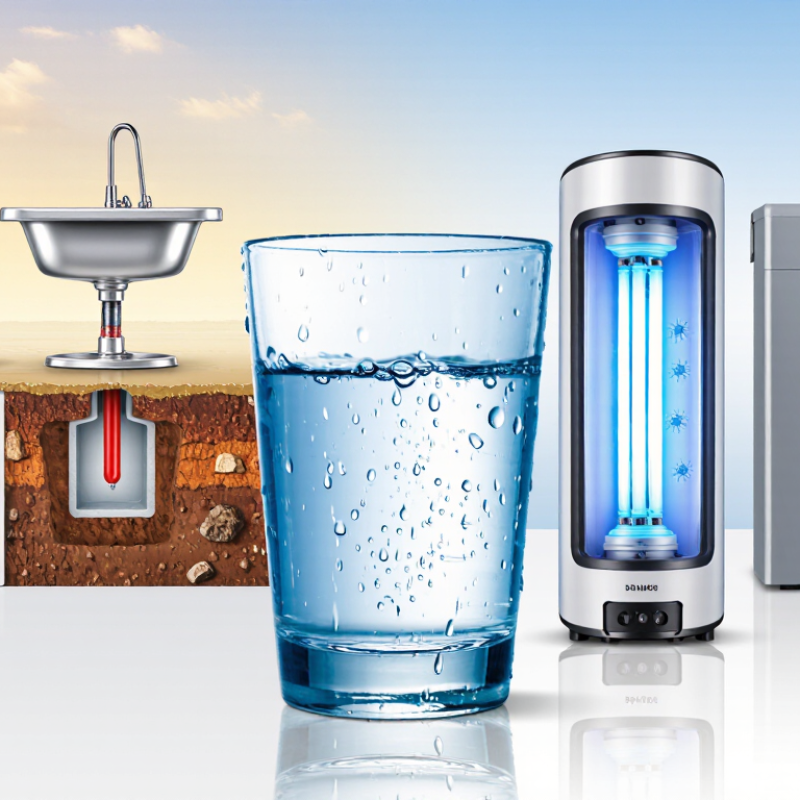
Table of Contents
[Hide]
Assess Your Water Quality and Identify Contaminants
Before choosing a treatment system, find out what is actually in your water. A clear glass can still contain invisible contaminants. Check your water supplier’s latest quality report, or arrange testing through an accredited laboratory. Well water needs particular attention because its quality can change after heavy rain, flooding, or nearby construction.
Test for specific concerns, not just “water quality” in general. Depending on your source and location, useful tests may include lead, nitrate, arsenic, bacteria, hardness, and chlorine. Follow the laboratory’s collection instructions carefully; even a clean-looking bottle can affect a sample. Start with evidence. A single test is only a snapshot, so private-well owners may need periodic checks or retesting after changes nearby.
Match any treatment to the results. A filter that improves taste may not reduce lead or microbes, and no single device addresses every contaminant. Ask for performance data showing which substances a system reduces and under what conditions. If a result is unclear or unexpectedly high, contact the laboratory or local health department before buying equipment. It is easy to assume the worst—or overlook a real issue when the water tastes fine.
How to Choose the Right Water Treatment System? – Assess Your Water Quality and Identify Contaminants
| Water quality concern | Common clues | How to assess it | Treatment options to consider | Selection notes |
|---|---|---|---|---|
| Lead | Usually has no taste, odor, or visible sign. Risk may come from lead service lines, plumbing, or fixtures. | Use a laboratory analysis of a properly collected tap-water sample. Check local utility information about service-line materials. | A point-of-use filter specifically certified for lead reduction; replacing lead-containing plumbing is a source-control measure. | Do not rely on taste or a general-purpose filter. Follow the filter’s installation and replacement instructions. |
| Nitrate | Often cannot be detected by taste, smell, or appearance. It can be a concern in some private wells, especially near agricultural or septic sources. | Test through a qualified laboratory; request nitrate and, where appropriate, nitrite analysis. | Reverse osmosis or anion exchange may reduce nitrate when the system is designed and maintained for that purpose. | Conventional activated-carbon filters and boiling do not reliably remove nitrate; boiling can concentrate it as water evaporates. |
| Microorganisms | Bacteria, viruses, and parasites are not reliably identified by appearance, taste, or odor. Risk can increase after flooding or well damage. | Test for indicator bacteria, such as total coliform and E. coli, through a qualified laboratory. Inspect and maintain private wells. | Depending on the source and organisms involved: disinfection, ultraviolet treatment, or a properly designed filtration and disinfection combination. | UV systems require clear water and reliable maintenance. Boiling can be used as an emergency measure when public-health guidance recommends it. |
| Arsenic | Typically has no noticeable taste, smell, or color. It may occur naturally in groundwater in some regions. | Request an arsenic test from a qualified laboratory; ask whether the analysis distinguishes arsenic forms if needed for treatment selection. | Options may include reverse osmosis or arsenic-specific adsorptive media, selected for the measured water chemistry. | Confirm performance for the relevant arsenic form and test treated water after installation and during ongoing use. |
| Hardness (calcium and magnesium) | Scale on fixtures or kettles, soap that lathers poorly, or mineral spots on dishes. | Measure hardness with a suitable test kit or laboratory analysis; review the result before sizing equipment. | A water softener using ion exchange can reduce hardness. Scale-control devices do not necessarily remove hardness minerals. | Softening addresses scale and soap performance; it does not disinfect water or remove every contaminant. |
| Chlorine taste or odor | A swimming-pool-like taste or odor may be noticeable in some treated supplies. | Check the utility’s water-quality report or measure residual disinfectant with an appropriate test. | Activated carbon at the point of use or point of entry can reduce chlorine taste and odor when the unit is properly maintained. | Carbon treatment can reduce disinfectant residual, so follow maintenance directions and avoid using an unsuitable or neglected filter. |
| Sediment, rust, or turbidity | Visible particles, discoloration, or cloudy water may occur, but appearance alone does not identify the cause. | Inspect plumbing and the water source; use laboratory testing if discoloration persists or may indicate a health concern. | A sediment filter may capture suspended particles. Treatment should be based on the source of the problem. | A sediment filter does not remove dissolved metals or disinfect microorganisms unless specifically designed and verified to do so. |
| High total dissolved solids (TDS) | May affect taste or indicate elevated dissolved minerals, but TDS alone does not identify which substances are present. | A conductivity-based meter can estimate TDS; use laboratory analysis to identify specific dissolved substances when necessary. | Reverse osmosis can reduce many dissolved substances, depending on the system and water chemistry. | TDS is a general measurement, not a contaminant-specific safety test. Choose treatment based on identified substances and intended use. |
Test before choosing equipment. For private wells, use a qualified laboratory and follow local testing guidance. Select a system whose verified performance matches the contaminants found, and maintain it according to its instructions.
Related Posts
-
What Are the Best Water Treatment Supplies in China?
-
How to Choose Water Treatment Supplies for Global Buyers
-
China Top 10 Water Treatment Supplies Manufacturers
-
How to Choose the Best Water Systems for Global Sourcing
-
How to Choose the Best Water Cleaning System?
-
How to Choose the Right Water Equipment for Your Business?