How to Choose the Best Water Systems for Global Sourcing

Global sourcing water systems is not simply a price comparison exercise. It is a decision about water quality, equipment reliability, compliance, and long-term operating costs. A system that performs well in a laboratory may struggle in a coastal factory, a remote clinic, or a warehouse with unstable power. Buyers need evidence, not attractive brochures. Request current test reports, installation records, maintenance schedules, and clear warranty terms before making a commitment.

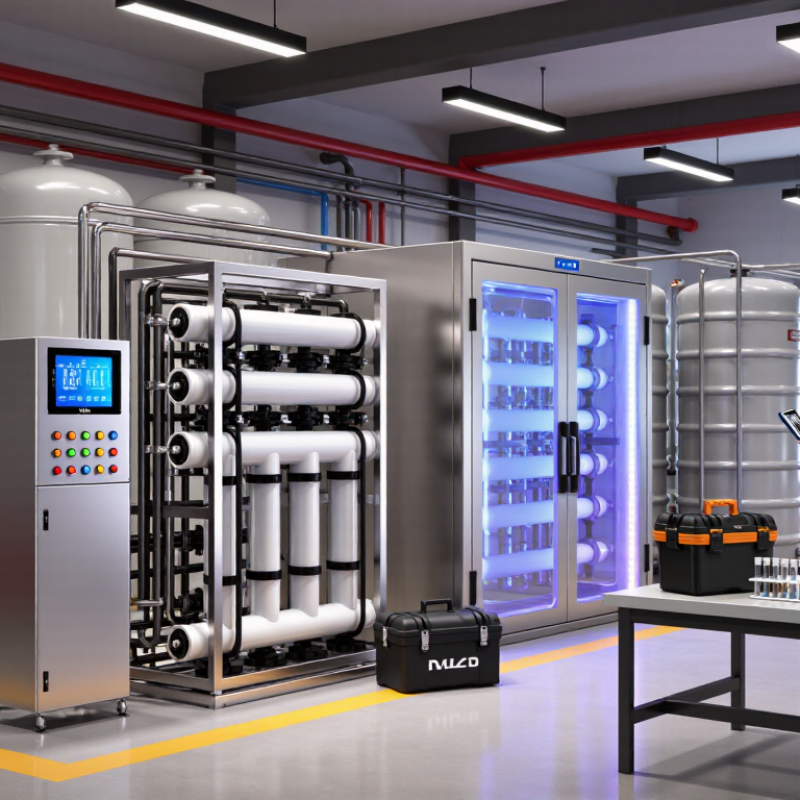
The right evaluation begins with the water itself. Test hardness, salinity, turbidity, microbial indicators, and seasonal changes. Then match those results with the intended use, such as drinking water, food processing, irrigation, or industrial production. Compare filtration, reverse osmosis, ultraviolet treatment, softening, and disinfection options according to risk and capacity. Look for recognized certifications, traceable components, trained technicians, and suppliers that explain limitations openly. A credible partner should also provide spare-parts access and practical remote support.

Small details matter. Can operators replace cartridges without special tools? Will membranes remain available after three years? Does the control panel suit local language and electrical conditions? These questions often reveal more than a polished sales presentation. Mistakes are possible. Water demand may change, or a site survey may miss an unusual contaminant. Build testing, commissioning, and review points into the purchasing plan. Local professionals and independent laboratories can strengthen the decision. With disciplined comparison, global buyers can choose water systems that deliver safer performance, measurable value, and realistic resilience across changing operating environments.

How to Choose the Best Water Systems for Global Sourcing

Defining Water System Needs for Global Sourcing

How to Choose the Best Water Systems for Global Sourcing

Defining Water System Needs for Global Sourcing

Global sourcing starts with a clear definition of water needs, not an equipment catalogue. A facility may need purified process water, safe drinking water, or controlled rinse water. Each use requires different quality targets, flow rates, and monitoring plans. During site assessments, record source water data, daily demand, peak-hour demand, and seasonal changes. A simple worksheet can expose assumptions early.

Define contaminants according to the application and local supply conditions. Test for microbial indicators, turbidity, hardness, dissolved solids, and relevant chemicals. Do not copy limits from another country without checking applicable standards. Storage also matters. A warm tank in a dusty room can undermine an otherwise sound treatment plan. Specify tank material, cleaning access, drainage, and protection from recontamination. For global procurement, document units, test methods, acceptance criteria, and required certificates.

In practice, buyers often focus on rated capacity and overlook maintenance skills. Ask who will replace filters, verify sensors, and respond to alarms. Confirm spare-part availability, staff training, power stability, and wastewater handling before approval. A first specification is rarely perfect. One overlooked issue may be recovery during outages. Run a site trial with measured samples, not promises. Keep the results with commissioning records, corrective actions, and routine inspection logs.

Comparing Water Treatment Technologies and Applications

How to Choose the Best Water Systems for Global Sourcing

Comparing Water Treatment Technologies and Applications

Choosing a water system starts with the source, not the equipment catalogue. Groundwater, rivers, and municipal supplies carry different risks. A reliable assessment measures hardness, salinity, turbidity, microbes, and seasonal changes.

Reverse osmosis suits desalination and high-purity process water. It removes dissolved salts effectively but consumes energy and produces concentrated wastewater. Ultrafiltration works well for suspended solids, bacteria, and some larger organic compounds. It usually needs less pressure.

Microfiltration is useful for clearer water and pre-treatment, but it cannot remove dissolved salts. Activated carbon improves taste and reduces chlorine and selected organic compounds. Ultraviolet treatment controls microorganisms without adding chemicals, yet it requires low-turbidity water and dependable power.

Each technology has limits.

For food processing, a combined system may protect product quality and cleaning operations. For irrigation, simpler filtration may be more practical than high-purity treatment. Remote sites need durable parts, easy maintenance, and locally available technical support. Energy costs, replacement filters, reject-water handling, and operator training should enter the sourcing decision.

A common mistake is selecting capacity from average demand. Peak use can expose an undersized system within hours. Pilot testing is valuable, though it can delay purchasing and reveal inconvenient results. That delay is often useful.

Local water rules, discharge requirements, and laboratory verification should guide the final specification. Supplier claims deserve independent testing before contracts are signed.

Evaluating Suppliers, Certifications, and Product Quality

Choosing a water system for global sourcing requires more than comparing prices. Supplier evaluation should begin with production experience, technical capability, and transparent communication. I often request factory audit records, component traceability, and recent performance data. A polished website proves very little.

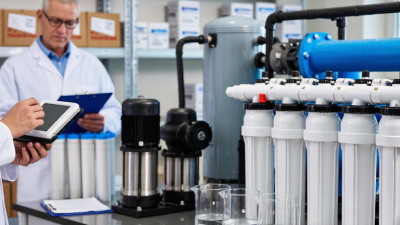
Certifications matter only when their scope matches the product and destination market. Check certificate numbers, issuing bodies, expiration dates, and covered models. Ask whether testing applies to the complete system or only one component. Independent laboratory reports can confirm flow rate, leakage resistance, material safety, and filtration performance. Do not rely on copied documents. Quality failures often appear later, such as loose fittings after repeated pressure changes or unclear replacement schedules. I have trusted attractive samples before, and that was a mistake.

Tips: Request a production sample before placing a large order. Test it with your expected water pressure and temperature. Compare the sample with the final inspection checklist. Keep written answers from the supplier. Require batch labels, packaging photos, and inspection records. Small details matter. Still, no checklist is perfect. Local installation skills, shipping conditions, and maintenance habits can change real-world results. A reliable supplier should discuss these weaknesses openly, not promise flawless performance.

How to Choose the Best Water Systems for Global Sourcing - Evaluating Suppliers, Certifications, and Product Quality
Evaluation Dimension Measurable Indicator Recommended Benchmark Required Evidence Sourcing Risk if Unverified Relevant Standard or Reference
Supplier Quality Management Documented quality management system and controlled production procedures An independently audited quality management system, preferably certified to ISO 9001:2015 or an equivalent national standard Valid certificate, certification scope, audit status, corrective-action records, and documented inspection procedures Medium ISO 9001:2015
Manufacturing Traceability Ability to identify materials, production lots, inspection results, and shipment records Each finished unit or batch should be traceable to key components, production date, inspection results, and shipment documentation Lot numbering procedure, production records, component records, retention policy, and sample traceability report High Quality-assurance best practice
Product Category Fit System type matched to the target contaminant and intended application The selected technology should be supported by performance data for the intended water conditions and use case Technical data sheet, contaminant-reduction claims, operating limitations, flow-rate data, and application instructions High Product-specific performance testing
Material Safety Safety of components that contact drinking water Materials should comply with the potable-water-contact requirements of the destination market Material declarations, migration or extraction test reports, declarations of conformity, and component specifications High NSF/ANSI/CAN 61 and applicable national requirements
Aesthetic Contaminant Reduction Reduction of chlorine taste and odor, particulate matter, or other aesthetic contaminants Use certification or third-party test evidence specifically covering the claimed contaminant and rated capacity Performance test report, rated capacity, test conditions, inlet-water parameters, and replacement criteria Medium NSF/ANSI 42
Health-Related Contaminant Reduction Reduction of contaminants associated with potential health effects Claims should be supported by certification or laboratory testing for each specific contaminant; general filter claims are insufficient Contaminant-specific test report, certification scope, reduction percentage, rated capacity, and test protocol High NSF/ANSI 53
Reverse Osmosis Performance Salt and dissolved-solids reduction, product-water flow, recovery, and wastewater ratio Verify performance at stated pressure, temperature, feed-water chemistry, and membrane configuration; do not compare capacity without matching test conditions RO performance report, operating pressure, temperature range, recovery rate, permeate flow, and replacement schedule High NSF/ANSI 58
Ultraviolet Disinfection Delivered UV dose and validated microbiological performance The unit should provide a documented UV dose at the maximum rated flow and include lamp-status or dose-monitoring controls where required UV validation report, maximum flow rate, UV transmittance assumptions, lamp-life data, and alarm specifications High NSF/ANSI 55
Filtration and Pressure Safety Operating pressure range, burst pressure, leakage resistance, and connection integrity The system should be tested above its maximum working pressure and include clearly stated pressure and temperature limits Pressure-test records, burst-test data, leak-test results, installation manual, and valve or fitting specifications High Applicable plumbing and product-safety requirements
Electrical Safety Protection against electric shock, overheating, moisture ingress, and abnormal operation Electrical models should have destination-market conformity documentation and appropriate ingress, insulation, and protection testing Declaration of conformity, electrical test report, rated voltage and frequency, protection class, and user manual High IEC 60335-1 and applicable regional electrical regulations
Factory Inspection Capability Availability of incoming, in-process, and final inspection controls Inspection plans should define sampling levels, acceptance criteria, calibrated equipment, and procedures for nonconforming products Quality-control plan, inspection checklist, calibration certificates, nonconformity log, and sample inspection records Medium ISO 9001 quality-control principles
Independent Laboratory Testing Competence and independence of the testing organization Prefer reports issued by a laboratory accredited to ISO/IEC 17025 for the relevant test methods Laboratory accreditation certificate, test-method references, report number, sample identification, and test dates High ISO/IEC 17025
Certification Validity Certificate scope, model coverage, validity period, and production-site coverage The exact model, configuration, manufacturing site, and claimed function should fall within the certificate scope Certificate database record, current certificate, covered models, listed factory, surveillance status, and expiration date High Certification-body verification
Replacement Parts and Consumables Availability, compatibility, and documented service life of filters, membranes, lamps, seals, and fittings Replacement intervals and compatible part numbers should be defined before purchase; critical consumables should have a documented supply plan Parts list, service-life data, compatibility matrix, stocking plan, and disposal instructions Medium Manufacturer technical documentation
Product Documentation Completeness and accuracy of installation, operation, maintenance, and safety instructions Documentation should cover installation limits, commissioning, sanitation, maintenance, replacement, troubleshooting, and disposal Controlled user manual, installation drawings, maintenance schedule, spare-parts list, and translated versions where required Medium Applicable product-safety and consumer-information rules
Batch Consistency Variation in flow rate, pressure drop, reduction performance, dimensions, and leakage rate between production batches Critical characteristics should have defined tolerances and be monitored through routine sampling and statistical process controls Control charts, batch inspection data, capability studies, retained samples, and change-control records Medium Statistical process-control practice
Change Management Control of changes to materials, components, software, production site, or manufacturing process The supplier should notify the buyer before changes that may affect safety, certification, fit, function, or performance Change-control procedure, notification commitment, requalification plan, and updated certificates or test reports High ISO 9001 change-control principles
Environmental Management Control of manufacturing impacts, waste, energy use, and restricted substances Prefer documented environmental controls and destination-market compliance for restricted substances and packaging Environmental policy, ISO 14001 certificate where available, material declarations, and waste-management records Medium ISO 14001 and applicable environmental regulations
Packaging and Transport Protection Protection from shock, moisture, contamination, freezing, and incorrect handling during international shipping Packaging should protect fragile components and preserve cleanliness, seals, membranes, electronics, and calibration during transport Packaging specification, drop-test records, moisture protection plan, pallet configuration, and shipping instructions Medium International transport and packaging practice
After-Sales Technical Support Response time, troubleshooting capability, warranty process, and availability of technical documentation Establish written service-level expectations, warranty exclusions, escalation contacts, and procedures for product complaints Warranty terms, complaint-handling procedure, technical-support contacts, service-level agreement, and corrective-action process Medium Supplier-service evaluation practice
Destination-Market Compliance Compliance with the laws and certification requirements of each import and installation market Verify requirements separately for drinking-water contact, electrical safety, plumbing, labeling, chemicals, waste, and consumer protection Regulatory matrix, declarations of conformity, local registration records, labels, manuals, and customs documentation High Applicable national and regional regulations

Calculating Total Costs, Logistics, and Import Requirements

How to Choose the Best Water Systems for Global Sourcing

The purchase price rarely represents the real cost of a water system. Calculate equipment, spare parts, packaging, insurance, freight, duties, taxes, installation, and maintenance. A system quoted at $8,000 may require another $3,000 before reaching the facility. Small errors multiply.

Request a detailed commercial invoice, packing list, product specifications, and country-of-origin documents. Confirm the correct customs classification with a qualified broker before shipment. Import requirements may include electrical certificates, material declarations, safety documents, and destination-specific labeling. Check whether the system matches local voltage, frequency, pipe fittings, and water-quality standards. Ask for evidence.

Logistics can change the decision. Compare container space, crate dimensions, gross weight, port charges, inland delivery, and unloading equipment. A compact unit may cost more initially but reduce freight and handling fees. For membrane systems, protect sensitive components from freezing, moisture, and impact during transit. Clarify delivery terms in writing, because responsibility can shift at the port or warehouse.

Build a landed-cost spreadsheet for each supplier and test optimistic and delayed scenarios. Include exchange-rate movement and possible storage fees. A spreadsheet is useful, but never perfect. Assumptions age quickly. Before ordering, obtain sample documents and verify them against the actual shipment. Experienced buyers also calculate lifecycle cost: energy use, filter replacement, technician visits, wastewater disposal, and expected service life. The cheapest import can become expensive when support is distant or spare parts arrive slowly.

Selecting, Testing, and Managing the Final Water System

Selecting the final water system requires more than comparing purchase prices. Define the water’s intended use, daily volume, peak demand, and available installation space. Check source-water data before requesting supplier proposals. Important details include hardness, dissolved solids, chlorine, microbial levels, temperature, and seasonal variation.

Testing should happen before and after installation. Use an independent, competent laboratory where practical. Confirm flow rate, recovery rate, pressure, conductivity, and microbial performance against written specifications. Take samples from the source, treatment stages, storage tank, and final outlet. Keep chain-of-custody records and calibrated instrument details. Small details matter. In one project review, the system passed factory testing but struggled with local water temperature. The numbers changed. We had not questioned the test conditions enough.

Managing the system needs clear ownership. Create operating instructions for startup, shutdown, sanitation, filter replacement, and unexpected results. Record every reading in a simple log, including date, operator, pressure, conductivity, and corrective action. Verify maintenance materials and technical support across the destination country. Store treated water in suitable, closed containers and protect it from heat and contamination. Review trends monthly, not only when a result fails. A practical weakness is relying too heavily on supplier documentation. Independent checks can reveal gaps in sampling, cleaning, or operator training. Change control also matters when the source, workload, equipment, or local requirements change.

Ready to talk about water treatment?

Contact us

Please complete this form and we will be in touch