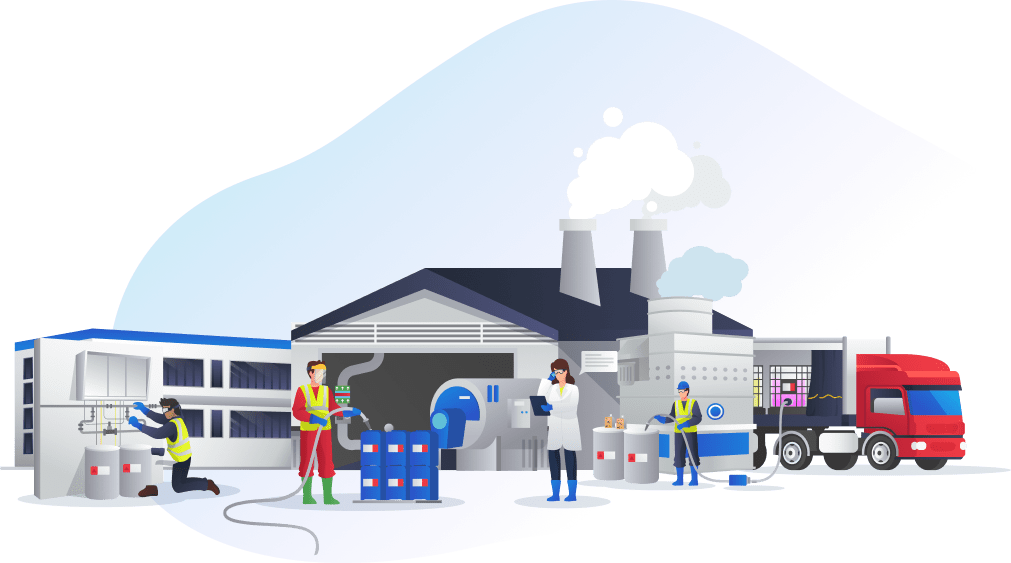
Top 10 Water Treatment Companies in China
China’s water treatment sector serves crowded cities, industrial parks, and communities facing growing pressure on water supplies. Its companies work across drinking-water purification, wastewater treatment, reuse, and related equipment. Their projects can involve membrane systems, pumps, chemical dosing, sludge handling, and continuous water-quality monitoring. Small operating details matter. A poorly matched filter or unreliable sensor can affect an entire treatment line.
This overview introduces ten companies active in China’s water treatment market. It is intended as a starting point, not an official ranking or endorsement. Company capabilities vary: some focus on engineering and construction, while others supply equipment, operate facilities, or develop treatment technologies. Buyers should compare relevant project experience, technical support, operating costs, and documented performance. Local conditions count, too. Water quality, discharge requirements, energy prices, and available maintenance staff can change what “best” means. Public information may not reveal every project’s results, and company claims deserve careful checking. That caveat matters. The right partner depends on the application, the site, and the evidence behind proposed results. A shortlist can help, but it cannot replace technical review.
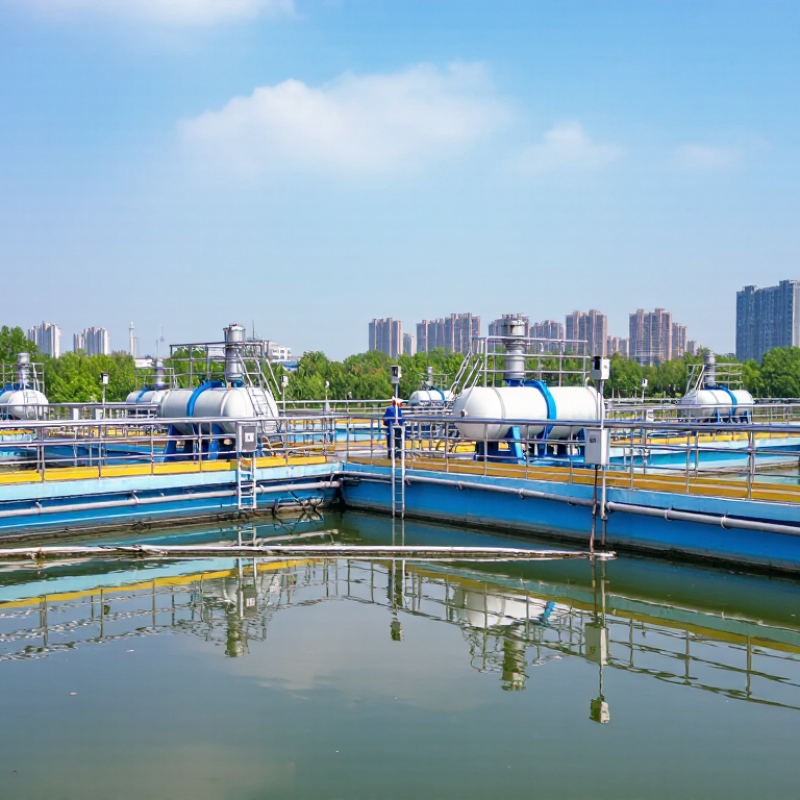
Water Treatment Industry in China: Scope and Key Segments
China’s water treatment industry spans municipal supply, wastewater treatment, industrial process water, and water reuse. Municipal facilities remove suspended solids, organic matter, and pathogens before water reaches homes. Treatment may combine screening, coagulation, sedimentation, filtration, and disinfection. The right sequence depends on the water source and local conditions. A river intake after heavy rain can behave differently from a stable reservoir.
Industrial treatment is another major segment. Food, textile, chemical, and power facilities may need softened water, filtered process water, or wastewater systems tailored to their discharge. Membranes can support reuse, while biological treatment helps reduce organic pollution. But energy use, membrane fouling, and sludge disposal affect operating costs. Small systems matter. Rural and county-level facilities also need reliable treatment, trained operators, and practical maintenance plans.
Some projects add advanced oxidation or tighter monitoring when conventional processes cannot meet specific water-quality goals. Sensors can track flow, turbidity, and disinfectant levels, but readings still need calibration and human review. A polished process diagram can hide difficult daily work: replacing filters, managing sludge, and responding to changing influent. There is no universal design. Conditions vary, and performance depends on steady operation as much as installed equipment.
Criteria for Identifying the Leading Companies
A credible comparison of China’s water treatment companies should begin with verified plant performance, not project announcements. Review effluent results across seasons, operating uptime, energy use per cubic metre, and sludge handling. Ask whether figures come from independent testing or company disclosures. Evidence matters. China’s Ministry of Housing and Urban-Rural Development reported a 98.1% urban sewage treatment rate in its 2022 statistical yearbook. That national figure describes coverage, not the quality or reliability of any single supplier.
Technical breadth is another useful test. Leading candidates should show experience with municipal and industrial wastewater, difficult influent conditions, process upgrades, and long-term operation. Compare lifecycle costs, commissioning records, local service capacity, and clarity around performance guarantees. The UN World Water Development Report 2024 says 42% of household wastewater worldwide was not safely treated in 2022. The gap underlines why treatment outcomes matter more than installed capacity alone.
Disclosure remains uneven, so rankings can be imperfect. A company may publish impressive design figures but little operating data. Treat missing evidence as a limitation, not proof of poor performance. Give greater weight to independently verifiable results, repeat clients, and transparent reporting than to broad claims of technical leadership.
Profiles of Ten Major Water Treatment Companies
Profiles of ten major water-treatment companies are clearest when grouped by their engineering strengths. One profile can represent municipal plant construction; another, membrane filtration; a third, industrial wastewater. The remaining profiles may focus on desalination, rural treatment, sludge processing, monitoring instruments, reclaimed water, plant operations, and engineering design. These are useful comparison categories, not a verified ranking of named firms. A profile should specify the client type, treatment process, operating scale, and measurable results. Details matter: a compact rural system faces different maintenance needs from a large industrial plant.
The Ministry of Ecology and Environment’s 2023 bulletin reported a 98.2% wastewater-treatment rate for Chinese cities. That figure describes treatment coverage, not effluent quality or reuse, so it cannot alone prove a provider’s performance. Compare project records, operating continuity, energy use, and discharge data. Ask what period the figures cover. Rankings can mislead.
Tip: Check whether a profile provides independently verifiable project data. Look for the treatment capacity, process, and monitoring period; missing details are worth questioning.
Technologies and Services Across the Industry
Water treatment companies in China work across municipal, industrial, and rural projects, where water quality and operating needs can differ sharply. Their services may include source-water testing, process design, equipment installation, and ongoing maintenance. Common technologies include coagulation and sedimentation, sand filtration, membrane systems, and ultraviolet disinfection. Each addresses different contaminants; no single process fits every site. A plant operator may check pressure gauges, turbidity readings, and filter backwash schedules during a routine shift. Small changes matter.
Industrial systems often need tailored treatment for cooling water, wastewater reuse, or process-specific impurities. Providers can combine biological treatment with filtration and disinfection, then monitor performance through sampling and control systems. Service quality also depends on spare-part availability, staff training, and clear operating records. A technically sound design can still falter when maintenance is rushed. That gap is easy to underestimate. Rural installations may face limited power, fewer trained operators, or seasonal changes in source water, so simpler equipment can sometimes be more reliable. Buyers should compare verified test data, energy use, maintenance requirements, and the conditions behind any performance claims. Even careful planning has limits. Real-world water quality can shift, and treatment plans may need adjustment over time.
Top 10 Water Treatment Companies in China - Technologies and Services Across the Industry
Industry capability overview. Rows describe common provider specializations and services; they are not named or ranked companies.
| No. | Provider Specialization | Common Technologies | Typical Services | Typical Applications |
|---|---|---|---|---|
| 1 | Municipal wastewater treatment | Activated sludge, biological nutrient removal, oxidation ditches, sequencing batch reactors | Plant design, process upgrades, construction, operation and maintenance | Municipal sewage collection and treatment before discharge or reuse |
| 2 | Industrial wastewater treatment | Physicochemical treatment, biological processes, oil-water separation, advanced oxidation | Wastewater characterization, custom process design, treatment system integration and compliance support | Manufacturing, food processing, chemicals, textiles and other industrial sectors |
| 3 | Membrane treatment systems | Microfiltration, ultrafiltration, nanofiltration and reverse osmosis | Membrane system engineering, pretreatment design, commissioning and membrane maintenance | Water purification, industrial process water, wastewater reuse and desalination pretreatment |
| 4 | Desalination and brackish-water treatment | Seawater and brackish-water reverse osmosis, intake pretreatment and post-treatment | Feasibility studies, plant engineering, energy optimization and operational support | Coastal water supply, island communities and industrial facilities using saline sources |
| 5 | Drinking-water treatment | Coagulation, flocculation, sedimentation, filtration, disinfection and activated carbon adsorption | Treatment-plant design, process upgrades, equipment supply and water-quality monitoring | Municipal and community drinking-water supply |
| 6 | Water reuse and advanced reclamation | Membrane bioreactors, ultrafiltration, reverse osmosis and disinfection | Reuse-system planning, tertiary treatment, distribution design and performance testing | Industrial cooling, landscape irrigation, urban non-potable uses and process-water supply |
| 7 | Sludge treatment and resource recovery | Thickening, dewatering, anaerobic digestion, drying and thermal treatment | Sludge handling design, equipment integration, energy recovery and disposal planning | Municipal and industrial wastewater treatment plants |
| 8 | Engineering, procurement and construction (EPC) | Integrated process trains selected for source-water quality, effluent requirements and site conditions | Engineering, equipment procurement, construction, commissioning and project delivery | New treatment plants and capacity or process upgrades |
| 9 | Water-quality monitoring and automation | Online sensors, laboratory analysis, supervisory control and data acquisition systems | Instrumentation, control-system integration, monitoring, calibration and operational data support | Treatment plants, distribution networks and industrial water systems |
| 10 | Water-treatment chemicals and process support | Coagulants, flocculants, scale inhibitors, corrosion inhibitors and disinfectants | Chemical selection, dosing-system support, process optimization and treatment troubleshooting | Municipal plants, industrial boilers, cooling systems and wastewater facilities |
Market Trends and Challenges for Chinese Water Treatment Companies
Chinese water-treatment companies face a market shifting from basic capacity expansion toward water reuse, tighter effluent control, and smarter plant operation. The Ministry of Ecology and Environment reported that 89.4% of monitored surface-water sections reached Grade I–III quality in 2023; 0.7% remained below Grade V. That is progress, but national averages can hide polluted tributaries and uneven local performance.
The 2021 national plan for urban wastewater treatment and resource use set a 2025 target: reclaimed water should account for at least 25% of water use in water-short cities. This supports investment in advanced filtration, disinfection, and reuse networks. Industrial parks also need systems that handle changing wastewater loads, not just steady municipal flows. Sensors can flag unusual readings, but they cannot fix poor sampling or weak maintenance.
Costs remain stubborn. Membranes, aeration, sludge handling, and energy use all affect operating budgets. Smaller cities may struggle to fund upgrades, while industrial sites need treatment tailored to specific contaminants. The 2023 environmental bulletin documents broad improvement, yet it does not mean every discharge is consistently safe. That distinction matters. Firms should publish clear performance data, including energy use and treatment reliability, rather than relying on capacity claims alone. More reuse sounds attractive, but pipeline construction and long-term upkeep can make projects less viable than early estimates suggest.
China Water Treatment: Urban Wastewater Treatment Rate
A national sector trend relevant to the market context—not a ranking or comparison of individual companies.
China’s urban wastewater treatment rate rose from about 92% in 2015 to about 98% in 2023. As basic coverage approaches saturation, growth opportunities increasingly depend on facility upgrades, higher treatment standards, water reuse, and expansion of services in smaller cities and rural areas. These shifts also bring challenges such as capital requirements, operating costs, and stricter compliance needs.
Source: China Ministry of Housing and Urban-Rural Development, urban construction statistical data; figures rounded.
Related Posts
-
How to Choose a Water Department Supplier in 2026?
-
What Is Water Treatment and How Does It Work?
-
What Are the Best Water Treatment Supplies in China?
-
How to Choose a Drinking Water Treatment System?
-
China Top 10 Water Treatment Supplies Manufacturers
-
2026 Top Water Treatment Equipment for Global Buyers?
Ready to talk about water treatment?
Contact us
Please complete this form and we will be in touch