What Is Water Treatment and How Does It Work?
Water treatment is the controlled process of making water safer for drinking, industry, agriculture, or environmental release. It removes physical particles, harmful chemicals, microorganisms, and unpleasant tastes or odors. The need is substantial. The WHO and UNICEF Joint Monitoring Programme reported that 2.2 billion people lacked safely managed drinking water in 2022. That figure gives this subject human weight.
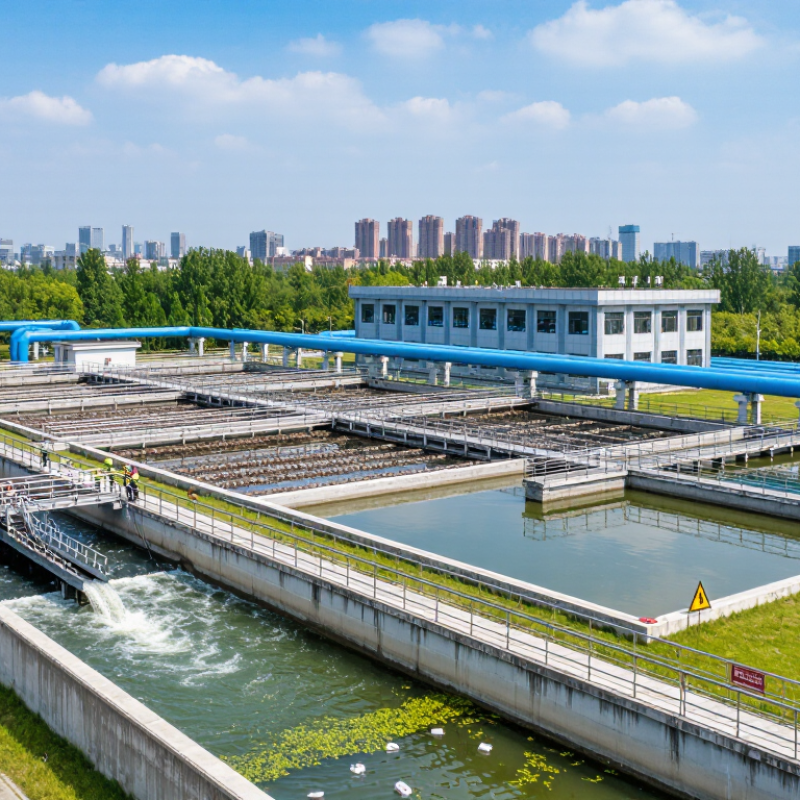
Treatment usually follows a connected sequence. Screens catch leaves and plastics. Coagulants gather fine particles into heavier flocs. Sedimentation allows those flocs to settle. Filters then reduce remaining suspended matter, while disinfection targets pathogens. The U.S. Environmental Protection Agency describes these stages as core barriers in conventional drinking-water treatment. Some facilities also use activated carbon, membranes, or advanced oxidation. The correct choice depends on the source water, contaminants, budget, and required standard.
It is not a magic system.
The 2024 United Nations World Water Development Report emphasizes that water security supports public health, economies, and resilient communities. Yet a clear glass does not prove complete safety. Invisible contaminants may remain, and treatment performance can change after storms, droughts, equipment failures, or poor maintenance. This overview explains how water treatment works from intake to monitoring, while recognizing an important limitation: no single process solves every water-quality problem. Reliable results require trained operators, validated testing, transparent records, and continuous improvement. In practice, the strongest system is not always the most complex. It is the one designed for local risks and operated carefully every day.
What Is Water Treatment and Why Is It Necessary?
What Is Water Treatment and How Does It Work?
Water treatment makes unsafe or unsuitable water cleaner for drinking, industry, farming, or environmental release. The process targets visible particles, harmful microorganisms, dissolved chemicals, and unpleasant odors. A clear glass can still contain invisible contaminants.
Treatment usually begins with screening and settling. These steps remove leaves, sand, and heavier solids. Filters then capture smaller particles. Disinfection, often through carefully controlled chemical or physical methods, reduces bacteria, viruses, and other pathogens. Some facilities also use specialized processes to reduce metals, salts, or industrial compounds.
Why is this necessary?
Untreated water can spread disease and damage organs over time. It can also corrode pipes, harm crops, or pollute rivers. Reliable treatment protects public health and supports stable communities. Operators regularly test water quality before, during, and after treatment. They check factors such as turbidity, acidity, microbial levels, and chemical concentrations.
The process is not perfect. Testing can miss short-term pollution after heavy rain or equipment failure. That risk deserves attention. Treatment systems need maintenance, trained operators, and clear records. A single test cannot describe every change in a water source. Local geology, weather, and human activity all affect results. Good practice means checking those conditions repeatedly, not trusting appearance alone.
What Contaminants Does Water Treatment Remove?
What Is Water Treatment and How Does It Work?
What Contaminants Does Water Treatment Remove?
Water treatment targets contaminants that can harm health, damage equipment, or change taste. The exact process depends on the source and testing results. Coagulation and filtration can reduce soil, rust, suspended particles, and turbidity. Disinfection then controls bacteria, viruses, and other disease-causing organisms. The World Health Organization reports that at least 1.7 billion people used drinking-water sources contaminated with feces in 2022.
Dissolved chemicals require different controls. Activated carbon can reduce many organic compounds, odors, and unpleasant tastes. Ion exchange may lower hardness, nitrate, or selected metals. Reverse osmosis can remove salts, fluoride, arsenic, and numerous dissolved substances. It also produces concentrated wastewater, which operators must manage carefully. The WHO Guidelines for Drinking-water Quality warn that treatment performance depends on contaminant levels, system design, and ongoing monitoring.
Some newer concerns need specialized testing. Per- and polyfluoroalkyl substances, often called PFAS, may require high-performance carbon or membrane treatment. The U.S. Environmental Protection Agency’s 2024 drinking-water standards show how scientific evidence can change regulatory priorities. Treatment is not a magic filter. A clear glass can still contain invisible chemicals. Poor maintenance can also allow contamination after treatment. In practice, testing should guide each step, rather than relying on a familiar system or a single sample.
How Is Treated Water Tested and Managed?
Treated water is tested at several points, not only when it leaves a facility. Operators collect samples after filtration, disinfection, and storage. Each sample receives a time, location, and container record. This chain of custody helps laboratories interpret results correctly. Common checks include turbidity, pH, temperature, disinfectant residual, and microbial indicators. Some facilities also test metals, nutrients, or industrial chemicals, depending on local risks.
Small details matter. A cloudy sample may signal filter trouble before customers notice anything unusual. Low disinfectant residual can indicate long storage, warm pipes, or unexpected demand. Laboratory staff use calibrated instruments and documented methods. Independent laboratories may verify results when regulations require stronger assurance. Field tests provide quick warnings, but they do not replace complete laboratory analysis. Data can disagree.
Water management connects these results to daily decisions. Operators adjust treatment settings, inspect tanks, flush affected lines, and increase sampling when results shift. Digital alarms can help, although an alarm does not explain the cause. Managers compare results with legal limits, operating targets, and historical trends. They also maintain maintenance logs, staff training records, and emergency procedures. A single clear sample does not prove safety. Sampling locations can miss problems, and testing itself has limits. That weakness deserves regular review, especially after heavy rain, equipment repairs, or changes in water demand.
What Is Water Treatment and How Does It Work?
Common Microbial Log-Reduction Targets for Treated Surface Water
Water treatment uses multiple barriers, such as coagulation, filtration, and disinfection, to remove particles and inactivate microorganisms. The chart shows commonly applied baseline treatment targets expressed as log reductions. One log reduction represents a tenfold reduction in microorganisms.
Treated water is managed through continuous process monitoring and laboratory testing. Typical controls include turbidity, disinfectant residual, contact time, microbial indicators, and chemical contaminants. The targets shown are commonly used regulatory baseline values for surface-water treatment; site-specific requirements may be higher depending on source-water quality and treatment design.
Reference: U.S. Environmental Protection Agency surface-water treatment requirements. Values represent log10 reduction targets: viruses 4-log, Giardia 3-log, and Cryptosporidium 2-log.