How to Test Water for Quality and Safety?
Safe water can look clear, smell normal, and still contain harmful microorganisms, lead, nitrates, or other contaminants. That uncertainty makes water testing an essential part of protecting households, schools, farms, and workplaces. A clean glass is not proof.
Dr. Joan Rose, a leading water-quality researcher, has emphasized that “water quality is a public health issue.” Her point is practical: testing turns suspicion into measurable evidence. A reliable process begins with the water source, the pipework, and the intended use. A private well may require different tests than municipal tap water. Rainwater storage introduces other concerns.
This guide explains how to test water for quality and safety with sensible, evidence-based steps. It covers sample collection, laboratory selection, basic field checks, and the meaning of common results. Use a sterile container. Avoid touching its inside. Record the date, location, and recent plumbing changes.
Do not rely on one test forever.
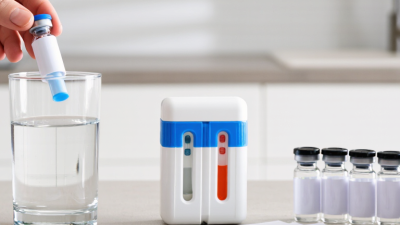
Water conditions can change after flooding, repairs, construction, or seasonal rainfall. Certified laboratories can test for bacteria, lead, arsenic, nitrates, pesticides, and other substances using validated methods. Home test kits may help identify warning signs, but they cannot replace professional analysis for important decisions.
A small mistake can affect results. That deserves attention.
Readers should also compare results with current guidance from local health authorities and recognized agencies. Standards vary by region and water use. When results are unclear, repeat the sample or seek qualified advice. Testing is not about creating fear. It is about making safer choices with better information.

Define the Water Source and Testing Purpose
How to Test Water for Quality and Safety?
Define the Water Source and Testing Purpose
A useful water test begins with two questions: Where does the water come from, and how will people use it? Municipal water, private wells, rainwater tanks, rivers, and storage containers have different risks. A private well near farmland may require nitrate and pesticide testing. Old plumbing may make lead a concern. Untreated surface water can carry harmful microorganisms, especially after heavy rain.
The purpose shapes the test list. Drinking water usually needs checks for bacteria, nitrate, lead, arsenic, pH, and turbidity. Water for bathing may require fewer tests, but unusual odor, staining, or skin irritation still deserves attention. Irrigation water may need salinity and metal testing. Do not rely on a single general-purpose kit. It may miss the problem you actually face.
Use a clean, approved container and avoid touching its inside or cap. Let the tap run as instructed, then collect the sample carefully. Follow the laboratory’s storage and delivery instructions. Home test strips can offer useful clues, but they are not a complete safety assessment. A certified laboratory provides stronger evidence, especially when results affect children, older adults, or people with weakened immunity.
Testing after flooding is wise. So is seasonal testing. I once assumed clear water was safe, but appearance proved nothing. Results can also be misunderstood when the source changes. Record the date, location, weather, plumbing condition, and intended use beside every sample. That small habit makes later decisions more reliable.
Collect a Representative Water Sample Safely
How to Test Water for Quality and Safety?
Collect a Representative Water Sample Safely
A reliable water test begins with a representative sample. The bottle must reflect the water you actually use. Wash your hands before handling the container. Wear clean, disposable gloves when possible. Do not rinse a sterile testing bottle, even if that feels natural. Rinsing can remove preservatives or introduce contaminants.
Choose the normal drinking-water tap, not a hose or decorative faucet. Remove aerators, filters, and attachments if laboratory instructions require it. Let cold water run for two to five minutes, or until the temperature stabilizes. This helps clear water that has rested inside the plumbing. Avoid touching the bottle opening, cap, or inside surface. Keep the cap facing upward while filling. Leave the required air space, if specified.
Small details matter. Record the collection date, time, location, tap type, and recent plumbing work. Note unusual color, odor, flooding, or stagnant water. These observations help professionals interpret the result. Follow the laboratory’s container and preservation instructions exactly. Some tests need cooling immediately, while others require special preservatives. Deliver the sample within the stated holding time.
Do not sample during unusual conditions unless those conditions are the concern. A recently disinfected pipe may not represent everyday use. I have seen people collect from the easiest tap, then question the result later. That shortcut is understandable, but it weakens confidence. When the result affects health decisions, use an accredited laboratory and ask how sampling errors could influence interpretation.
Measure Basic Physical and Chemical Indicators
How to Test Water for Quality and Safety?
Testing water safely starts with measurements you can repeat. Check temperature, odor, color, turbidity, pH, conductivity, and residual disinfectant at the sampling point. Use a clean, labeled container. Let the tap run briefly, unless stagnant water is the concern. Turbidity shows suspended particles, not every contaminant. The WHO Guidelines for Drinking-water Quality advise keeping turbidity ideally below 1 NTU for effective disinfection. That target matters.
pH and dissolved solids add useful context. The U.S. EPA’s National Secondary Drinking Water Regulations list pH at 6.5–8.5 and total dissolved solids at 500 mg/L. These are aesthetic guidelines, not proof of safety. Measure nitrate when agricultural runoff or infant formula preparation raises concern. WHO gives 50 mg/L as nitrate as a guideline value. Arsenic needs laboratory analysis, with WHO’s guideline set at 10 µg/L. Home strips can miss low concentrations. They are screening tools.
Record the date, location, weather, temperature, instrument model, and calibration status. Compare results with local limits and previous readings. A sudden conductivity rise deserves investigation, even when water looks clear. Do not trust one sample. Sampling errors happen. Poor rinsing or delayed testing can distort results. Recheck questionable readings, preserve samples correctly, and use an accredited laboratory for health-related decisions. Basic indicators guide judgment, but they cannot replace microbiological or contaminant-specific testing.
How to Test Water for Quality and Safety? - Measure Basic Physical and Chemical Indicators
| Indicator | Why It Matters | Unit | Common Screening Reference | Example Result | Example Interpretation | Basic Test Method |
|---|---|---|---|---|---|---|
| Temperature | Affects taste, chemical reactions, and disinfectant performance. | °C | No universal health limit; stable, cool water is generally preferred. | 18 °C | Typical for stored or supplied drinking water. | Digital thermometer; measure immediately after collection. |
| Turbidity | Shows suspended particles and may indicate filtration or contamination problems. | NTU | Preferably ≤1 NTU for effective disinfection; 5 NTU is a common aesthetic benchmark. | 0.7 NTU | Within the preferred operational level. | Calibrated nephelometric turbidity meter. |
| pH | Indicates acidity or alkalinity and influences corrosion and disinfection. | pH units | 6.5–8.5 is a common drinking-water operational range. | 7.4 | Within the common operational range. | Calibrated pH meter or laboratory test kit. |
| Total Dissolved Solids (TDS) | Represents dissolved salts and minerals; affects taste and scaling. | mg/L | 500 mg/L is a commonly used secondary aesthetic benchmark. | 285 mg/L | Below the common aesthetic benchmark; TDS alone does not confirm safety. | TDS/conductivity meter; temperature compensation recommended. |
| Electrical Conductivity | Provides a rapid estimate of ionic content and can reveal changes in water composition. | µS/cm at 25 °C | No single health-based limit; interpret with TDS and local baseline data. | 445 µS/cm | Consistent with moderate mineral content. | Calibrated conductivity meter at 25 °C. |
| Free Residual Chlorine | Confirms that disinfectant remains available to control microbial regrowth. | mg/L as Cl₂ | Approximately 0.2–0.5 mg/L at the point of use is commonly targeted where chlorination is used. | 0.32 mg/L | Adequate for a chlorinated supply; local requirements may differ. | DPD colorimetric test, photometer, or approved field kit. |
| Nitrate | Elevated levels may result from fertilizer, sewage, or animal waste contamination. | mg/L as NO₃⁻ | 50 mg/L is a widely used drinking-water guideline value. | 12 mg/L | Below the common guideline value. | Laboratory ion chromatography or validated colorimetric test. |
| Fluoride | Small amounts can help prevent tooth decay; excessive exposure can cause fluorosis. | mg/L as F⁻ | 1.5 mg/L is a widely used health-based guideline value. | 0.62 mg/L | Below the common guideline value. | Ion-selective electrode or laboratory photometric method. |
| Arsenic | Long-term exposure can increase the risk of serious health effects. | µg/L | 10 µg/L is a widely used drinking-water guideline value. | 3 µg/L | Below the common guideline value; laboratory confirmation is essential. | Certified laboratory analysis, commonly ICP-MS or hydride-generation methods. |
| Lead | May enter water from plumbing materials; children and pregnant people are especially vulnerable. | µg/L | 10 µg/L is a widely used health-based guideline value; lower is preferable. | 2 µg/L | Below the common guideline value. | Accredited laboratory testing, typically ICP-MS or atomic absorption. |
| Iron | Usually affects color, taste, staining, and deposits rather than causing acute toxicity at typical levels. | mg/L | 0.3 mg/L is a common aesthetic benchmark. | 0.08 mg/L | Below the common aesthetic benchmark. | Colorimetric field kit or laboratory spectrometric analysis. |
| Escherichia coli (E. coli) | Indicates possible fecal contamination and requires microbiological assessment. | CFU/100 mL | Must not be detected in a 100 mL drinking-water sample. | 0 CFU/100 mL | Passes the basic microbiological safety criterion. | Certified laboratory membrane filtration or approved presence/absence test. |
Note: Example results are illustrative, not a certification of water safety. Reference values vary by country, water source, and intended use. For drinking-water decisions, use properly collected samples and an accredited laboratory, especially for lead, arsenic, nitrate, and microbiological testing.
Check for Microbial and Hazardous Contaminants
How to Test Water for Quality and Safety?
Check for Microbial and Hazardous Contaminants
Clear water is not always safe water. Microbes can hide without changing its color, smell, or taste. Test for total coliforms and E. coli, especially after flooding, pipe repairs, or long storage. Collect samples in sterile containers and avoid touching the inside or cap. A single careless step can distort the result.
Chemical testing needs a different approach. Consider lead, arsenic, nitrate, pesticides, and other local contaminants. Older plumbing may release lead after water sits overnight. Let the cold tap run briefly, then collect a first-draw sample when testing household pipes. This detail matters. Yet flushing can also hide short-term exposure, so follow the laboratory’s instructions carefully.
Home test kits can screen for some problems, but they have limits. They may miss low concentrations or fail to identify specific microbes. For drinking water, use an accredited laboratory and request a written report with detection limits. Compare results with current guidance from public health authorities. Do not treat boiling as a complete solution; it can kill many microbes but cannot remove metals or chemicals. If results seem unusual, repeat the sample before making expensive decisions. I would not rely on one test alone. Water quality changes with seasons, construction, and source conditions.
Interpret Results and Decide on Water Safety
Interpreting a water test starts with the sample, not the number. Record the collection date, location, container, and whether the tap ran for several minutes. Compare each result with your local legal limit and the WHO Guidelines for Drinking-water Quality, not with appearance alone. Clear water can still contain hazards. In 2022, about 2.2 billion people lacked safely managed drinking water, according to the WHO/UNICEF Joint Monitoring Programme.
Microbiological results need quick attention. Escherichia coli should not be detectable in any 100-millilitre drinking-water sample under WHO guidance. A positive result means possible faecal contamination, even if the water smells normal. Pause drinking and cooking with it. Boiling can control many pathogens, but it does not remove lead, nitrate, or pesticides. This distinction is often missed.
Chemical results require careful comparison. The WHO guideline value for nitrate is 50 milligrams per litre as nitrate, while its provisional lead value is 0.01 milligrams per litre. Check the unit carefully; milligrams per litre and micrograms per litre are not interchangeable. Repeat questionable results through an accredited laboratory, especially after flooding, plumbing repairs, or unusual taste. Home strips are useful for screening, but they can mislead. I would not make a safety decision from one uncertain strip. Infants, pregnant people, older adults, and anyone immunocompromised may need stricter precautions. If results exceed a standard, use verified alternative water and contact the local water authority or a qualified environmental laboratory.
Related Posts
-
What Are the Top Water Testing Kits for Drinking Water?
-
Top Water Analysis Kits for 2026 What to Look For?
-
Top 10 Water Analysis Kits for Accurate Water Testing
-
2026 Top Water Analysis Equipment Types for Buyers?
-

2026 How to Improve Water Treatment Systems for Better Efficiency?
-

Top 10 Water Solutions for Global Buyers to Consider?
Ready to talk about water treatment?
Contact us
Please complete this form and we will be in touch