10 Tips for Choosing Water Treatment Systems?

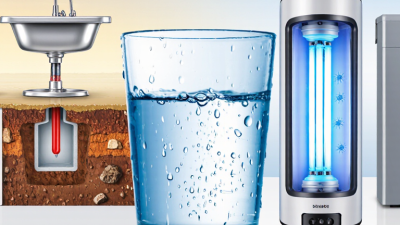
Choosing water treatment systems is not simply a matter of buying the unit with the most features. The right choice depends on what is in your water, how much your household uses, and what you want to improve. A clear glass can still contain dissolved minerals or other substances that affect taste and quality. Appearance alone tells you very little.

Start with a recent water test from a qualified laboratory or a reliable local testing service. Then compare the results with each system’s stated capabilities. A filter designed to reduce chlorine may not address hardness, and a softener is not a general-purpose purifier. Small details matter: how many gallons the unit can treat, how often cartridges need replacing, and whether installation fits beneath your sink. So does the ongoing cost.

This guide presents 10 practical tips for evaluating water treatment systems. It covers treatment needs, verified performance claims, capacity, maintenance, certifications, and total ownership costs. Look for documentation that identifies specific contaminants and test conditions; broad claims deserve careful questions. If a system’s benefits are unclear, pause before purchasing. That may feel inconvenient, but it can prevent an expensive mismatch.

No single system suits every home. Water quality can vary by location and season, and test results may need professional interpretation. Use the tips as a decision framework, not a substitute for testing. One point is easy to miss: even a well-chosen system requires proper upkeep to perform as intended.
10 Tips for Choosing Water Treatment Systems?

Assess Your Water Quality and Identify Contaminants

Before choosing a treatment system, find out what is actually in your water. A clear glass can still contain dissolved contaminants. If you use municipal water, start with your utility’s latest water-quality report. Check the sampling dates and note results that exceed applicable standards or health advisories. If your home uses a private well, arrange testing through a qualified laboratory. Common checks include bacteria, nitrate, arsenic, and pH. The right tests depend on local geology and nearby land use, so ask local health officials what they recommend.

Test water at the tap you drink from, especially in an older home. Lead can enter through plumbing even when source water meets standards. Follow the lab’s collection instructions closely; flushing the tap can change what a sample measures. Keep the results, units, detection limits, and sampling date together. Numbers matter. If a result is unclear, ask the lab rather than guessing from an online chart. Reports can be easy to misread.

Look for patterns, not just one alarming number. Iron may stain a sink orange, but appearance cannot confirm safety. A sulfur smell is a clue, not a diagnosis. Retest after plumbing work, flooding, or a noticeable change in taste or odor. One sample is only a snapshot. I would not choose equipment until the contaminant is confirmed and the system is matched to that specific test result.

Define Your Household’s Water Needs and Treatment Goals

A treatment system should solve a measured problem, not an imagined one. Start with your latest Consumer Confidence Report from the local water utility. The U.S. EPA says these annual reports describe detected contaminants and health information for public-water customers. Check the results, but remember: a utility report cannot tell you what happens inside your home’s pipes. A lead test at the kitchen tap may still be worthwhile.

Private wells need a different starting point. The CDC recommends testing well water at least once a year for germs, nitrates, and other local concerns. Your county health department can suggest additional tests based on nearby farms, industry, or geology. Keep a sample from the cold-water tap. Small details count.

Then define the goal: reduce a specific contaminant, improve taste, or address scale. A 2023 USGS study estimated that at least one PFAS may occur in tap water for about 45% of U.S. residents. That is a national estimate, not proof about your faucet. I’d be tempted to buy a filter after reading it. I’d pause. Match test results to a treatment method, and check that independent certification covers the contaminant you care about. I still find test reports confusing; asking a certified lab to explain units is sensible.

Compare Treatment Technologies for Your Water Conditions

A treatment system should match a measured water problem, not a list of popular features. The WHO/UNICEF Joint Monitoring Programme reported that 2.2 billion people lacked safely managed drinking water in 2022, underscoring why a clear-looking glass is not proof of safety. Start with a certified laboratory test or a local water-quality report. For cloudy water, sediment filtration can protect downstream equipment, but it will not remove dissolved salts. Activated carbon can reduce chlorine taste and some organic compounds; it is not a universal contaminant barrier. Small differences matter.

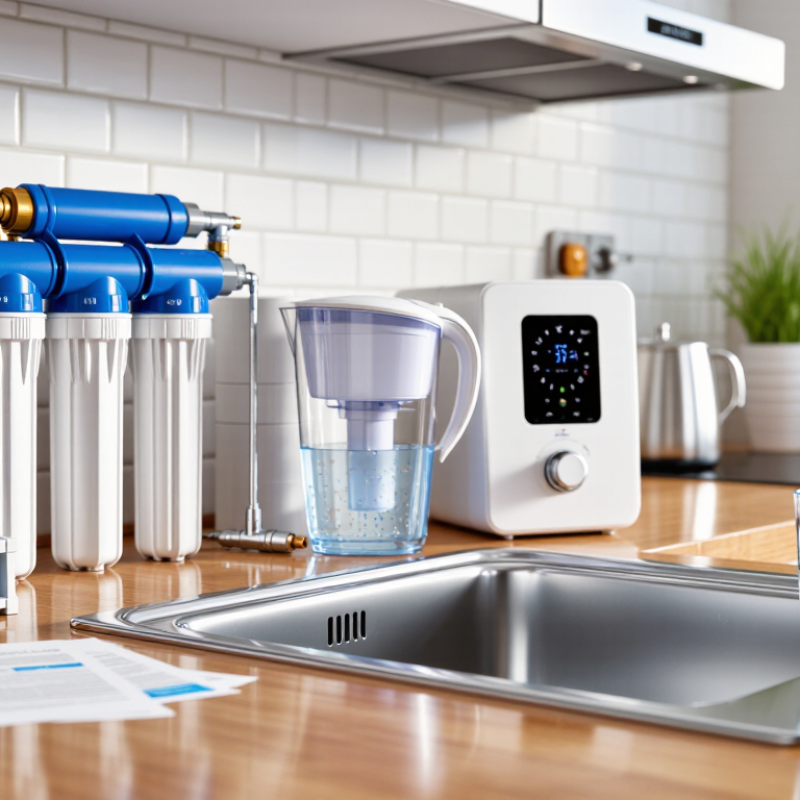
Compare results with the technologies’ actual capabilities. Ion exchange can reduce hardness, which often shows up as white scale around a kettle, but it does not disinfect water. Reverse osmosis can reduce many dissolved substances, though it also produces reject water and needs routine maintenance. Ultraviolet treatment can inactivate microbes when water is sufficiently clear, but it does not remove chemicals. The US EPA’s arsenic maximum contaminant level is 0.010 mg/L; a test above that level calls for a treatment specifically validated for arsenic, not simply a finer sediment cartridge. These options are not interchangeable. I would retest after installation, too: neglected filters can underperform, and that is easy to overlook.

10 Tips for Choosing Water Treatment Systems

Compare treatment technologies with the conditions in your water. The chart shows illustrative typical performance ranges for specific targets—not a guarantee for every system.

Match the technology to a water test: activated carbon can reduce chlorine taste and odor; ion exchange addresses hardness; reverse osmosis reduces many dissolved solids; sediment filtration targets particles; and UV inactivates microorganisms when operated at the required dose. These percentages refer to different targets and are not directly comparable. Check independent certification, system specifications, and maintenance requirements for your specific water conditions.

Check System Capacity, Certifications, and Total Costs

Start with a recent water test and the household’s actual usage. A system sized for average demand may struggle when several taps run at once. Check its rated flow and daily capacity, then compare those figures with peak use. Peak demand matters. A family that showers, cooks, and runs laundry in the same hour needs more than a small under-sink unit can provide. Leave some margin, but avoid paying for capacity you will rarely use.

Review certifications carefully. A certification should match the specific system and the contaminant it claims to reduce. Check the certifying organization’s current listing, not just a badge on a sales sheet. Check the label. Also confirm any stated performance conditions, such as required water pressure or filter replacement intervals. A certified system still needs proper installation and maintenance to perform as expected.

Compare total costs over several years, not just the purchase price. Include installation, replacement cartridges, testing, electricity, and any wastewater the system produces. Ask how often parts need changing and whether they are easy to source. Small print counts. A low-cost unit can become expensive if filters are costly or need frequent replacement. Estimates are imperfect, and water quality can change; keep test results and revisit your choice if taste, odor, or household needs shift.

10 Tips for Choosing Water Treatment Systems? — Check System Capacity, Certifications, and Total Costs
# What to Check Useful Data or Benchmark What to Verify Before Buying
1 Test the source water Use a laboratory test for private-well water; public-water customers can review the local Consumer Confidence Report. Match treatment to measured concerns, such as hardness, nitrate, arsenic, or a specific contaminant. A taste or odor alone does not identify its cause.
2 Choose point-of-use or whole-house treatment Point-of-use systems treat water at one tap or appliance; point-of-entry systems treat water as it enters the building. Decide whether the concern affects drinking and cooking water only or water throughout the home. Whole-house treatment may require more equipment and plumbing work.
3 Size system capacity Compare rated flow in gallons per minute (whole-house) or production in gallons per day (many reverse-osmosis systems). Check the rating at stated operating conditions and compare it with household demand. Lower temperature or pressure can reduce reverse-osmosis production.
4 Check contaminant-specific certification Examples include NSF/ANSI 42 for aesthetic effects, 53 for specified health effects, 58 for reverse osmosis, and 55 for ultraviolet systems. Confirm the exact model and the specific reduction claim in the certifier’s listing. A standard number alone does not mean the system removes every contaminant.
5 Review materials and product claims NSF/ANSI/CAN 61 addresses health effects of drinking-water system components; NSF/ANSI 401 covers specified emerging compounds. Distinguish material-safety certification from contaminant-reduction performance. Ask for documentation supporting each advertised claim.
6 Compare treatment methods Activated carbon, ion exchange, reverse osmosis, and ultraviolet disinfection address different water-quality issues. Check whether the chosen method is suitable for the test results. For example, UV disinfection does not remove dissolved chemicals or particles.
7 Calculate total ownership cost Include purchase, installation, replacement cartridges or membranes, electricity, water use, and periodic service over a chosen 5-year period. Compare the same time period for each option; request replacement-part prices and schedules, not just the initial equipment price.
8 Check maintenance requirements Replacement intervals vary by model, water quality, and usage; some systems also require sanitizing or performance checks. Confirm how filters are changed, whether tools are needed, and how the system indicates a service interval. Follow the manufacturer’s maintenance instructions.
9 Assess installation and operating conditions Confirm available space, plumbing connections, drain access, electrical supply, and operating pressure where applicable. Check whether installation requires a plumber or electrician and whether the system’s specified pressure and temperature range matches the site.
10 Plan for verification after installation Use an appropriate follow-up water test when the treated contaminant or system guidance calls for one. Keep test results, certification details, and service records. Replace components on schedule and retest private-well water as advised by local health authorities.
Certification standards and performance claims apply to specific products and claims. Check current independent certification listings and local water-quality guidance before purchase.

Plan Installation, Maintenance, and Filter Replacement

Before choosing a system, identify the water problem and the installation site. Review your utility’s annual water quality report, or test private-well water through a qualified laboratory. Then match the treatment method and certified performance claims to the contaminants found. NSF/ANSI standards can help: Standard 42 covers aesthetic effects, while Standard 53 addresses specific health effects. Check the exact contaminant claim, not just the standard number.

Measure the cabinet, note nearby outlets and shutoff valves, and confirm whether installation requires plumbing work. A perfect filter that cannot fit is still the wrong choice.

Plan for upkeep before purchase. Record the filter model, replacement interval, and cartridge cost; set a calendar reminder. CDC guidance says to maintain and replace filters as directed, since neglected units may stop working properly. Keep the manual near the system, and check for leaks after installation and cartridge changes.

Small details matter. EPA’s 2023 Drinking Water Infrastructure Needs Survey estimates public water systems need $625 billion over 20 years. That figure concerns community infrastructure, not household filters, but it underlines why reliable maintenance planning matters.

Don’t assume a longer-lasting cartridge is automatically cheaper; water quality and usage affect replacement timing. I might still forget a reminder, so a visible date on the filter housing helps.

Ready to talk about water treatment?

Contact us

Please complete this form and we will be in touch