What Are the Top Water Equipment Manufacturers in China?
China’s water equipment market is broad, but a manufacturer’s name alone says little about how well its products will perform. Buyers need to examine the details: pump efficiency, membrane specifications, control-panel clarity, spare-part availability, and the quality of after-sales support. A polished catalogue can still leave important questions unanswered.
Water researcher Dr. Peter H. Gleick’s work offers a useful reminder. In paraphrase: “Reliable water systems are essential to human well-being.” That principle matters when comparing Chinese manufacturers, whether they supply pumps, filtration units, valves, or complete treatment systems. Look for verifiable product data, relevant certifications, documented project experience, and clear maintenance requirements. Ask how equipment performs under the water conditions it will actually face—not only in ideal test settings.
This guide will introduce leading companies and the capabilities they report, while distinguishing established strengths from claims that deserve closer checking. The “top” choice depends on the application, budget, operating environment, and service needs. No single ranking fits every project. A manufacturer may offer impressive technology yet provide limited local support; another may be less visible but easier to work with. That trade-off deserves a careful look.
Water Equipment Categories and Their Main Uses
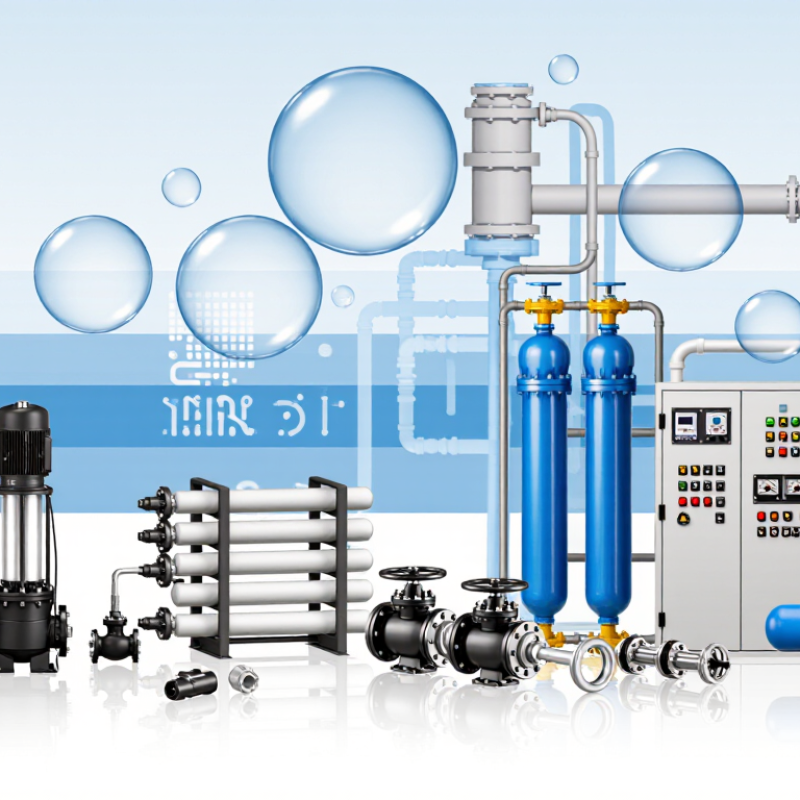
Water equipment includes pumps, filters, treatment units, storage tanks, and flow-control components. Supply pumps move water from wells, reservoirs, or municipal lines. Booster pumps help maintain pressure in taller buildings and long pipe networks. Small details matter. A pump that is too large may waste energy and cycle frequently.
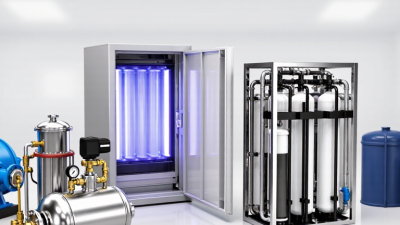
Filtration equipment serves different needs. Screens and sediment filters catch grit before it wears down pipes or appliances. Carbon filters can improve taste and reduce certain odors. Membrane systems remove smaller dissolved substances, while disinfection equipment helps control microorganisms. Treatment choices depend on water testing, not guesswork. Industrial systems may also use softeners or specialized treatment stages to protect boilers and production processes.
Storage tanks balance changing demand, and meters or sensors help track pressure, flow, and water quality. Tips: Check source-water reports, daily demand, and maintenance access before selecting equipment. Leave room to replace filter cartridges and inspect valves. Even careful sizing can miss seasonal changes; reviewing performance after installation is worthwhile.
Water Equipment Categories and Their Main Uses
Typical pore-size ranges for common membrane filtration equipment (μm)
Microfiltration (MF): Removes suspended particles and can reduce algae and bacteria. Ultrafiltration (UF): Separates colloids, macromolecules, and many microorganisms. Nanofiltration (NF): Helps reduce hardness, dissolved organic matter, and some multivalent ions. Ranges are typical and vary by membrane and test method.
How to Assess Chinese Water Equipment Manufacturers
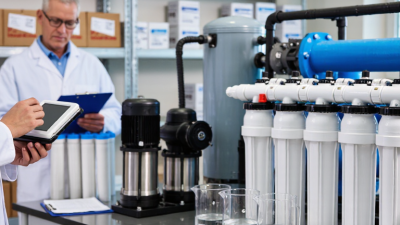
Assess Chinese water equipment manufacturers against the actual job: source-water quality, flow rate, pressure, and operating hours. The WHO/UNICEF Joint Monitoring Programme reported that 2.2 billion people lacked safely managed drinking water in 2022. That need makes dependable equipment essential, but it does not prove a supplier is dependable. Ask for pump curves, material specifications, and test records for the exact model you plan to buy. Check whether stated performance matches a witnessed factory test. Small details matter: a seal material or control panel can affect maintenance in a humid pump room. A polished catalogue is not enough. I would also verify spare-parts availability and response times in writing; I have seen delivery assumptions left vague.
Tips: Request a sample inspection report and a reference installation with similar water conditions. Compare energy use at your expected operating point, not just maximum capacity. Ask how defects are handled after shipment. A low quote may exclude useful support.
The JMP figure provides context, not a scorecard for any manufacturer. For a fair comparison, record the same technical and service criteria for each shortlisted supplier. If documents conflict, pause and request clarification. Sometimes the evidence is incomplete. That is worth noting, not hiding.
Leading Water Equipment Manufacturers in China
What Are the Top Water Equipment Manufacturers in China?
Leading Water Equipment Manufacturers in China
China’s water-equipment sector includes manufacturers of pumps, filtration systems, membranes, treatment units, and monitoring instruments. Their products support municipal water supply, wastewater treatment, and industrial reuse. The Ministry of Water Resources reported 590.65 billion cubic meters of national water use in its 2023 China Water Resources Bulletin. That figure highlights the scale of demand, but it does not rank suppliers or prove product quality.
When comparing manufacturers, check whether their equipment matches your water source, flow rate, and treatment goals. Request performance data for comparable installations, plus details on energy use, maintenance intervals, and replacement parts. A membrane system may look efficient on paper, yet require costly cleaning if the feedwater varies. Ask how suppliers test performance under real operating conditions. No single ranking tells the full story; regional service and project experience matter, too.
Tips: Compare total operating costs, not just purchase prices. Verify test records and after-sales support before selecting equipment.
Key Products and Technologies of Leading Manufacturers
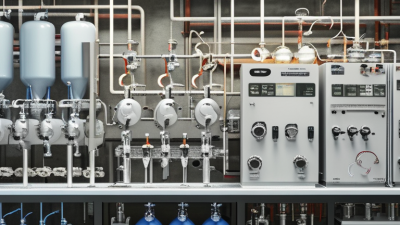
Water equipment manufacturers in China cover a broad range of products, from centrifugal pumps and filtration skids to reverse-osmosis systems and wastewater treatment units. Many combine stainless-steel housings, membrane modules, and variable-frequency drives to handle changing flow demands. Some systems include dosing pumps and online sensors for pH, pressure, and turbidity. Small details matter. A pressure gauge placed where operators can read it easily can save time during routine checks.
Technology is only useful when matched to the water and the job. Ultrafiltration can reduce suspended particles, while reverse osmosis removes many dissolved substances; neither is a universal solution. For industrial projects, buyers should compare flow rate, recovery rate, power use, and membrane cleaning requirements. Ask for test data under conditions similar to the intended site, not only ideal laboratory figures. Specifications can look impressive on paper. In practice, installation space, feed-water changes, and spare-part availability also affect performance. Even a well-designed unit may need adjustment after startup, and that part is sometimes underestimated.
Industries and Markets Served by Chinese Manufacturers
Chinese water-equipment manufacturers serve municipal utilities, farms, factories, construction projects, and environmental treatment operators. Their products range from pumps and valves to filtration units, meters, and wastewater-treatment systems. In a city treatment plant, equipment must move water reliably through settling tanks and filters. On a farm, irrigation pumps may need to handle changing flow and muddy water. Different jobs. Different demands.
The Ministry of Water Resources’ China Water Resources Bulletin 2023 reported total water use of 590.6 billion cubic metres. Agriculture accounted for 366.4 billion cubic metres, while industry used 97.7 billion. These figures help explain demand for irrigation, industrial process-water, and reuse equipment.
Municipal and building projects also need supply, drainage, and treatment systems. Still, national totals hide local differences. A coastal factory and an inland village may face very different water quality and operating conditions. Buyers should compare verified flow, pressure, energy-use, and maintenance data against the actual site. Product labels alone are not enough. Performance can vary with installation and water conditions.