What Is Water Treatment Equipment and How Does It Work?
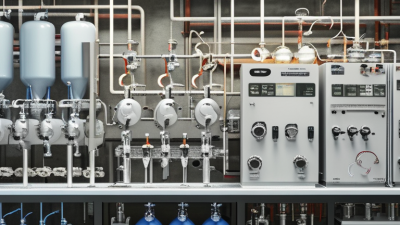
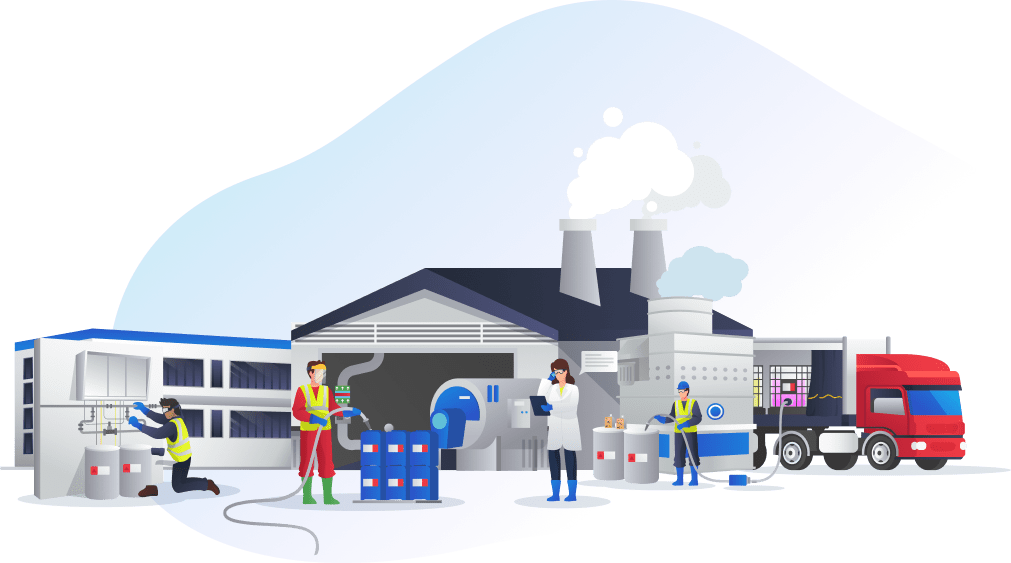
Water treatment equipment turns uncertain source water into a controlled, usable supply. It can include intake screens, pumps, chemical dosing systems, clarifiers, filters, membranes, ultraviolet units, and monitoring instruments. The exact arrangement depends on contaminants, flow rate, water chemistry, and the intended use.
The need is substantial. The WHO/UNICEF Joint Monitoring Programme reported that 2.2 billion people lacked safely managed drinking water in 2022. The United Nations World Water Development Report 2024 also links water quality, climate pressure, and public health. These findings explain why reliable water treatment equipment matters beyond factories and municipal plants. It protects homes, hospitals, farms, and sensitive manufacturing processes.
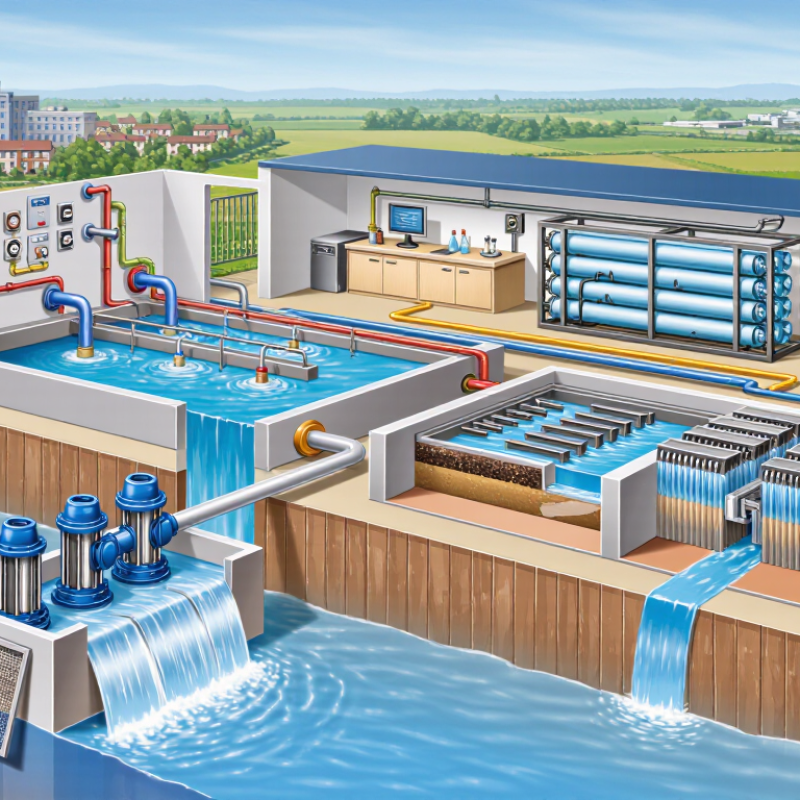
The process is practical, not magical. Screens remove larger debris. Coagulants gather fine particles. Sedimentation lets heavier solids settle. Filters capture smaller impurities. Membranes can reduce dissolved salts and specific contaminants. Disinfection then targets microorganisms. Sensors check pressure, turbidity, flow, and residual disinfectant.
The sequence matters.
Dr. Peter Gleick, co-founder of the Pacific Institute, has said, “Water is a human right, and everyone should have access to safe, affordable, and reliable water.” His point adds a human measure to technical design. A system can meet specifications and still perform poorly when maintenance is neglected, energy costs rise, or operators lack training. No treatment train is perfect. Real performance requires testing, documentation, skilled oversight, and honest review. This guide explains what water treatment equipment does, how each stage works, and where design assumptions may fail.
What Is Water Treatment Equipment?
What is water treatment equipment? It is a connected group of machines that removes contaminants or makes them safer. Typical systems include screens, sediment filters, softeners, activated carbon units, membrane modules, ultraviolet reactors, dosing pumps, tanks, and monitoring sensors. Each device targets a different risk. Screens catch leaves and grit. Membranes can reduce dissolved salts and microorganisms. Disinfection controls pathogens after earlier treatment steps. A filter is not a cure-all.
The need is substantial. The WHO and UNICEF Joint Monitoring Programme reported that 2.2 billion people lacked safely managed drinking water in 2022. The United Nations World Water Development Report 2024 also links growing water stress with population growth, pollution, and climate pressure. These figures explain why treatment equipment appears in homes, factories, hospitals, and municipal plants. In practice, operators test raw water before selecting equipment. A clear sample may still contain nitrate, bacteria, or dissolved metals. That distinction is easy to miss.
Treatment normally follows a sequence: intake, pretreatment, main purification, disinfection, and quality verification. Sensors may track pressure, turbidity, conductivity, pH, and residual disinfectant. When pressure rises across a filter, clogging is likely. Operators then inspect, backwash, replace, or recalibrate the unit. Real systems are less tidy than diagrams. Poor maintenance can undermine excellent equipment. The equipment must match the water source, flow rate, contaminant profile, and applicable safety requirements.
What Is Water Treatment Equipment and How Does It Work?
Water treatment equipment removes suspended solids, microorganisms, dissolved minerals, and other contaminants through processes such as filtration and membrane separation. This chart compares representative nominal pore sizes used in common membrane systems. Smaller pores provide finer separation, with reverse osmosis capable of removing many dissolved salts and other very small contaminants.
Why Water Treatment Is Necessary
What Is Water Treatment Equipment and How Does It Work?
Why Water Treatment Is Necessary
Water treatment equipment removes or reduces substances that make water unsafe, unpleasant, or unsuitable for use. Common systems include sediment filters, activated carbon units, softeners, membranes, and disinfection equipment. Each device targets different problems. A sediment filter can trap sand and rust, while a membrane can reduce dissolved salts and some microorganisms.
Treatment is necessary because clear water is not always clean water. It may contain bacteria, heavy metals, excess minerals, or chemical residues that cannot be seen or smelled. In a household, contaminated water can affect drinking, cooking, bathing, and laundry. In a factory, untreated water may damage boilers, clog pipes, or reduce production quality.
Testing should guide equipment selection. A water professional may check hardness, pH, turbidity, microbial activity, and specific contaminants. Guesswork can waste money. It can also leave a serious gap in protection.
Maintenance matters every day.
Filters need timely replacement, tanks require inspection, and disinfection systems must operate at the correct level. I have seen users trust a newly installed system too quickly. That is risky. Even good equipment performs poorly when neglected.
Water sources also change after floods, construction, drought, or seasonal rainfall. A treatment plan should be reviewed when conditions shift. No single machine solves every problem. Better decisions come from testing, suitable design, and honest attention to the water’s actual use.
How Water Treatment Equipment Works Step by Step
What Is Water Treatment Equipment and How Does It Work?
How Water Treatment Equipment Works Step by Step
Water treatment equipment removes unwanted particles, chemicals, and microorganisms from raw water. The process begins when intake screens catch leaves, sand, and other large debris. Pumps then move the water through controlled treatment stages. Operators check flow, pressure, temperature, and turbidity at this point. Small details matter.
Next, coagulants may be added to make tiny particles clump together. These heavier groups settle in a sedimentation tank. Scrapers collect the settled sludge, while clearer water moves forward. It may look clean already. However, invisible contaminants can remain.
Filtration provides a finer barrier. Depending on the water source, equipment may use sand, carbon, membranes, or several layers together. Filters reduce suspended solids and can remove certain chemicals. Disinfection follows, often using ultraviolet light, ozone, or carefully controlled disinfectants. Sensors verify contact time and treatment performance. Technicians regularly test samples because equipment readings are not always enough. A blocked filter can raise pressure quickly, while poor cleaning can reduce water quality. Maintenance records help identify these patterns before they become serious problems. No system is perfect. Operators may adjust chemical doses, replace filter media, or pause equipment for inspection. The final water is tested against applicable quality requirements before distribution.
Main Types of Water Treatment Equipment
Water treatment equipment removes unwanted particles, chemicals, minerals, or microorganisms from water. The correct system depends on laboratory testing, flow rate, and the intended use. Sediment filters trap sand, rust, and visible debris. They often protect later equipment from clogging. Activated carbon filters reduce chlorine, odors, and some organic compounds. Their performance declines when the carbon becomes saturated. That detail is easy to overlook.
Water softeners use ion exchange to reduce calcium and magnesium, which cause scale on heaters and pipes. Reverse osmosis systems push water through a semi-permeable membrane. They can reduce dissolved salts, metals, and other contaminants, but they produce wastewater and need steady pressure.
Ultraviolet units use light to inactivate many microorganisms. They do not remove sediment or dissolved chemicals. Clear water is not always safe water.
Other systems include ultrafiltration, ozone treatment, and biological treatment units. Ultrafiltration uses fine membranes to separate suspended solids and many microbes. Ozone can oxidize certain contaminants, but it requires careful control and monitoring. Biological systems use microorganisms to break down organic pollutants, especially in larger facilities.
In practice, treatment often works as a series of stages. A common setup may include sediment filtration, carbon treatment, and disinfection. Maintenance matters just as much as equipment selection. Filters need replacement, membranes need cleaning, and sensors require calibration. No single machine solves every water problem. Testing should guide each decision.
Factors for Selecting Water Treatment Equipment
What Is Water Treatment Equipment and How Does It Work?
Water treatment equipment removes unwanted particles, chemicals, minerals, or microorganisms from water. It may use screening, filtration, softening, adsorption, disinfection, or membrane separation. The right system depends on the water source and its intended use.
Selecting equipment should begin with a verified water analysis. Test pH, hardness, turbidity, iron, dissolved solids, and microbial indicators. Then define flow rate, peak demand, pressure, temperature, and available floor space. A household may need compact filtration, while a workshop may require staged treatment and automated monitoring. Materials also matter. Corrosion-resistant components can improve service life where salts or aggressive chemicals are present. Ask about cleaning cycles, replacement parts, energy use, operator training, and wastewater handling. A cheaper unit can cost more when maintenance is ignored.
Tips: Compare performance data with your test results, not broad marketing claims. Request records from similar applications. Check alarms and manual overrides before installation. Leave access around filters and pumps. It sounds minor. Cramped equipment is harder to inspect. Recheck water quality after commissioning and during seasonal changes. No system stays perfect. Flow may rise, filters may clog, and source water may shift unexpectedly. Simple maintenance logs often reveal these problems earlier than complicated dashboards. Allow a safety margin, but avoid excessive capacity. Oversized equipment may operate inefficiently and reduce treatment consistency.
What Is Water Treatment Equipment and How Does It Work? - Factors for Selecting Water Treatment Equipment
| Equipment Type | How It Works | Typical Treatment Target | Typical Performance or Operating Data | Main Advantages | Important Limitations | Key Selection Factors |
|---|---|---|---|---|---|---|
| Sediment Filter | Physically strains suspended particles through a porous media or cartridge. | Sand, silt, rust, clay, and other visible particulate matter. | Common cartridge ratings range from approximately 1 to 100 micrometres. Pressure drop increases as the filter loads with solids. | Simple design, relatively low cost, and effective protection for downstream equipment. | Does not reliably remove dissolved salts, most dissolved chemicals, or microorganisms unless specifically designed for that purpose. | Particle size, flow rate, inlet pressure, dirt-loading capacity, cartridge replacement frequency, and required filtration rating. |
| Activated Carbon Filter | Adsorbs selected compounds onto the high-surface-area carbon media as water passes through the bed. | Chlorine, many taste- and odor-causing compounds, and certain organic chemicals. | Performance depends strongly on carbon type, empty-bed contact time, contaminant concentration, and water temperature. Media eventually becomes exhausted. | Improves taste and odor and can protect membranes from chlorine damage. | Does not generally reduce hardness or dissolved salts. Poorly maintained media can support microbial growth. | Target contaminant, contact time, carbon quality, flow rate, prefiltration, backwashing or replacement requirements, and disinfectant level. |
| Water Softener | Uses ion-exchange resin to replace calcium and magnesium ions with sodium or potassium ions. | Hardness that causes scale, soap inefficiency, and reduced heat-transfer performance. | Capacity is commonly specified in grains or equivalents of hardness removed. Regeneration requires a brine solution and produces a waste stream. | Reduces scale formation and can extend the operating life of water heaters, boilers, and plumbing fixtures. | Does not remove most non-hardness dissolved solids, microorganisms, or many organic contaminants. Adds sodium or potassium to treated water. | Raw-water hardness, iron and manganese levels, daily water use, resin capacity, regeneration frequency, salt consumption, and wastewater disposal. |
| Ultrafiltration (UF) | Uses a pressure-driven membrane with very small pores to separate suspended solids, colloids, and many microorganisms. | Turbidity, bacteria, protozoan cysts, colloids, and larger organic particles. | Typical membrane pore sizes are approximately 0.01 to 0.1 micrometres. Dissolved salts generally pass through. | Can provide high-quality particulate and microbiological reduction with lower energy demand than reverse osmosis. | Does not normally remove dissolved salts, hardness, or many small dissolved chemicals. Membranes require cleaning and periodic replacement. | Feed-water turbidity, microbiological objectives, membrane integrity monitoring, pressure, pretreatment, cleaning method, and desired recovery. |
| Reverse Osmosis (RO) | Applies pressure greater than the natural osmotic pressure to force water through a semipermeable membrane while retaining many dissolved substances. | Dissolved salts, hardness, many metals, nitrate, fluoride, and numerous dissolved contaminants. | Common membrane rejection for many dissolved salts is approximately 95% to 99%, but results vary by contaminant, pressure, temperature, and membrane condition. A concentrate stream is produced. | Broad dissolved-contaminant reduction and consistent product-water quality when properly designed and maintained. | Requires pretreatment, pressurization, membrane maintenance, and concentrate management. It also removes beneficial minerals and can operate more slowly than conventional filtration. | Feed-water analysis, pressure, temperature, recovery target, pretreatment, membrane material, product-water demand, energy use, and concentrate disposal. |
| Ultraviolet (UV) Disinfection | Exposes water to UV-C light, which damages the genetic material of microorganisms and prevents them from reproducing. | Bacteria, viruses, and some protozoa in clear water. | Disinfection depends on delivered UV dose, commonly expressed in millijoules per square centimetre. Turbidity and suspended solids can shield microorganisms. | No chemical taste, no disinfectant residual, and no significant change to mineral content. | Does not remove particles, dissolved chemicals, or salts. Treated water can be recontaminated after the UV chamber if the distribution system is not sanitary. | UV dose, transmittance, turbidity, flow rate, lamp monitoring, power availability, sleeve cleaning, and whether a residual disinfectant is needed. |
| Ozone Treatment | Generates ozone and transfers it into water, where it oxidizes certain compounds and inactivates microorganisms. | Microbial control, taste and odor compounds, iron, manganese, and some organic contaminants. | Requires a controlled ozone dose and adequate contact time. Ozone decomposes relatively quickly and does not provide a long-lasting distribution residual. | Strong oxidation capability and reduced reliance on stored chemical disinfectants. | Higher system complexity, electrical energy requirements, off-gas management, and possible formation of by-products depending on water chemistry. | Water chemistry, ozone dose, contact time, off-gas destruction, bromide concentration, treatment objectives, energy cost, and operator capability. |
| Chemical Dosing System | Meters a selected chemical into the water to disinfect, adjust pH, oxidize contaminants, or control corrosion and scale. | Microbial contamination, pH imbalance, iron and manganese, corrosion, and scale-control requirements. | Performance depends on chemical concentration, dosing accuracy, mixing, reaction time, and water temperature. Continuous monitoring is often required. | Flexible and scalable for municipal, industrial, and process-water applications. | Requires chemical storage, safety controls, calibration, replenishment, and management of residuals or reaction by-products. | Chemical compatibility, target dose, contact time, storage requirements, safety procedures, control instrumentation, residual limits, and operating cost. |
Related Posts
-
How to Choose the Right Water Equipment for Your Business?
-
How to Choose Water Treatment Supplies for Global Buyers
-
Top 10 Water Treatment Equipment Types for Global Buyers
-
What Are the Best Water Treatment Supplies in China?
-
What Are Water Technologies and How Do They Work?
-
2025 Top Water Equipment Trends: Innovations Driving a $200 Billion Market
Ready to talk about water treatment?
Contact us
Please complete this form and we will be in touch